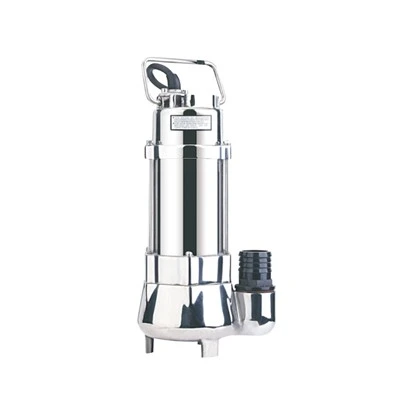
Your Leading Sewage Pump Supplier


Taizhou Sunlight Electric Machinery & Pump Industry CO.,Ltd was established in 1995 , which specialized in research, development and manufaturing peripheral pump,centrifugal pump,Jet pump,submersible pump,deep well submersible pump,booster pump , air compressor &mold etcs.Construction area 50,000 square meters ,300 employees ,Sale 900,000 pcs all kinds of water pump &150,000pcs air compressor in 2022.


Why Choose Us
 

Our factory

Construction area 50,000 square meters ,300 employees ,Sale 900,000 pcs all kinds of water pump &150,000pcs air compressor in 2022.


Our certification

Our company has past management system authentication ISO9001-2015,produts have won the CE certification,CCC authentication.


Sales market

The products are far sold to countries such as South America,Eastern Europe,Asia etc market.


Our products

We manufaturing peripheral pump,centrifugal pump,Jet pump,submersible pump,deep well submersible pump,booster pump , air compressor &mold etcs.


What is Sewage Pump

A sewage pump is a pump that is installed within properties so that sewage liquids and solids can be moved from one place to another. You will often find the sewage pump installed at the lowest point of the sewage basin. This is so whatever is being pumped can complete its journey through the system and get deposited either directly into the sewer system itself, or within a septic tank.

Electric Sewage Pump


Benefits of Sewage Pump
 

Preventing flood damage: Sewage backups can enter your home and flood your basement. Most notably, sewer pumps help prevent costly flood damage and the loss of priceless personal items.


Mitigating fire hazards: Basement floods can also short-circuit basement appliances, such as water heaters, heating systems, and laundry machines. A sewer pump can reduce the risk of a basement flood and a disastrous house fire.


Avoiding clogs and odors: Without the proper equipment to eject wastewater from your home, you’ll likely experience clogs in your drain pipes, putrid smells rising from your drains, and problems with your other plumbing fixtures.


Countering mold and mildew growth: Basements often offer the dark, warm, and humid environments that mold and mildew need to grow. Stagnant pools of sewage water will not only smell awful but pose health risks in the form of unhealthy air quality and damage to your home’s structure.


Types of Sewage Pump


Sewage ejector pumps
A solid handling pump (also referred to as a sewage ejector pump) is made to pump raw sewage. This is a specialised pump because raw sewage usually contains too many raw materials for most pumps, so in instances where raw sewage is going to be pumped, then a solid handling pump is best used.


Grinder pumps
Then you have grinder pumps. Grinder pumps operate in a very similar way to solid handling pump, with the key difference being that the grinder pump is capable of mulching any larger solids into smaller pieces as they pass through.


Effluent pump
The most common type of sewage pump though is an effluent pump. These are pumps most likely to be used on smaller buildings, and are designed to pump and move the liquids that come out of a septic tank.

These types of sewage tanks don’t have to pump solids at all (the septic tank dissolves most solids within), so they can often pump much faster and efficiently than the other two types of sewage pumps.


Application of Sewage Pump


Below-grade bathrooms: Homes with bathrooms located in basements or below the sewer line rely on sewer pumps to move wastewater higher to reach the main sewer line.


Remote bathrooms: Homes in remote or secluded areas often lack access to municipal sewer systems. In this case, a sewer pump allows for wastewater to be transported to a septic tank or some other point of wastewater disposal.


Preventing flooding: Sewer pumps (also known as sump pumps) help prevent sewage backups and potential flooding in low-lying areas, safeguarding the home and its occupants. Sump pumps are also frequently installed where there is a high groundwater table.


Efficient waste disposal: Grinder and maceration pumps make it possible to dispose of solid waste in areas where conventional plumbing might not be feasible.


Electric Sewage Pump

Components of Sewage Pump

Switch
The switch starts and turns off the pump. Typically, it is a hardwired part of the system, but some have a battery-powered mechanism.


Check valve
The check valve is responsible for keeping water out of the sewage pit. It prevents backflow and short cycling, which causes your sewage pump to work harder than necessary and prematurely fail. We ensure that the valve is set up correctly during sewage pump installation to keep your unit efficient for years to come.


Strainer basket
The strainer basket catches any debris that enters the pump. It helps prevent clogging, making sewage pump maintenance easier on your end. Be sure to clean the strainer once dirt and debris have built up to avoid problems down the road.

Float switch

The float switch turns the pump on when it detects water reaching a certain level. Some sewage pump companies install adjustable float switches, while others come preset from the factory.

Backup power supply

Most pumps are equipped with a backup power supply that kicks in if your power goes out. It is only optional, but it can be helpful during severe storms for your peace of mind.

Sump liner

An open sump pit is not only unsightly but dangerous as well. That is why we use a sewage liner with an airtight lid. The lid features a drain in case there’s standing water, allowing it to go down the liner.

Sewage pump alarm

The alarm is usually placed on top of the lid of the sewage pump liner. It triggers automatically when the water level in the liner rises above the top of the pump.


Process of Sewage Pump
 
01/

Figure out where the unit will be installed
First, you'll need to determine where the unit will be installed, which may depend on your home's sewage system configuration. It's recommended to position the pump near a drain inlet or slightly beneath the basement floor. Choose an area with adequate air circulation to reduce unpleasant odors.

02/

Make room for the unit
Prepare the site by digging out an area to comfortably accommodate the pump and its components. The space should be twice the length and width of the unit to ensure a proper fit. Ensure that the area is leveled and free from any obstacles or debris.

03/

Place the pump down and double-check that it’s leveled
After digging out the space, secure the pump in place. Properly attach and secure the unit to the floor using anchors as an extra measure. Use a level to verify that the mounting bolts are evenly aligned.

04/

Connect all piping to the unit
Use a pipe wrench to link the outlet and inlet pipes from the pump to their corresponding lines. Ensure proper alignment and create a watertight seal with Teflon tape around each joint to prevent leaks.

05/

 Link the pump to a power source and test it
Connect the unit to an energy source and test the system by pouring water into the inlet pipe to check for proper functionality.

06/

Seal any opening
Seal any openings around the unit with a chisel and hammer to prevent odors and pests from entering.


How to Maintain Sewage Pump


Regular inspections
One of the most important aspects of maintaining your wastewater pump is regular inspections. Checking for signs of wear and tear, leaks, and blockages can prevent larger issues from developing. Inspect the pump and surrounding components on a weekly or monthly basis, depending on usage. Look for any unusual noises, vibrations, or odors coming from the pump, as these can be indicators of a problem.


Clean the pump regularly
Cleaning your wastewater pump is essential for its proper operation. Accumulations of debris, grease, and other materials can clog the pump and impede its performance. Regularly remove any buildup and clean the pump according to the manufacturer’s recommendations. This may involve using specialized cleaning solutions or tools to ensure the pump remains in working order.


Monitor pump performance
Keep track of the pump’s performance over time to identify any changes or issues that may arise. Monitoring the pump’s flow rate, pressure levels, and energy consumption can help you catch problems early and address them before they escalate. Create a log to record this data and refer back to it when conducting inspections or maintenance.


Replace worn or damaged parts
If you notice any worn or damaged parts during your inspections, it’s important to replace them promptly. Continuing to use a pump with faulty components can lead to further damage and potential system failure. Keep spare parts on hand so you can quickly replace any worn or damaged pieces as needed.


Schedule regular maintenance
In addition to conducting regular inspections, it’s essential to schedule routine maintenance for your wastewater pump. This may involve servicing the pump, replacing filters, or greasing moving parts. Consult the manufacturer’s guidelines for recommended maintenance schedules and procedures to keep your pump in top condition.


Protect the pump from overload
Overloading your wastewater pump can cause it to malfunction or fail. Avoid flushing items that can clog the pump, such as paper towels, grease, or large solids. Install screens or grates to prevent foreign objects from entering the pump and causing damage. Properly size the pump for your system’s needs to prevent overload and ensure it can handle the volume of wastewater being processed.


Keep the area around the pump clear
Maintaining a clear area around your wastewater pump is essential for safety and accessibility. Remove any debris, plants, or other obstructions that could impede the pump’s operation or maintenance. Ensure there is adequate ventilation and lighting around the pump to promote proper airflow and visibility.


Train staff on proper maintenance procedures
If you have staff responsible for maintaining the wastewater pump, it’s crucial to train them on proper procedures and safety protocols. Provide hands-on training and written guidelines for conducting inspections, cleaning, and servicing the pump. Encourage staff to report any issues or concerns they notice during routine maintenance tasks.




How Does a Sewage Pump Work

A sewage pump — also known as an ejector pump — has a tank or basin that collects sewage from your home. When the waste reaches a certain level, the pump turns on and pushes it uphill to your home’s main sewer line. Then gravity takes over, and the sewage flows to the city line on the street or a septic tank. If a pump fails, a warning light comes on, so you don’t continue using the affected bathrooms, causing waste and water to back up in your home.


Residential sewage pumps can have a one or two-tank system. If you have two tanks and one fails, the other kicks on and keeps pumping.

220 Volt Sewage Pumps


Electric Sewage Pump


Effluent Pumps Vs Sewage Pumps

Sewage Pump from Wayne PumpsYou'll notice that names for types of pumps are used interchangeably across the web, and the applications specific to effluent pumps may get confusing. The best way we can explain the difference between a sump pump, sewage pump, and an effluent pump is dependent on the material that it's pumping, and where that material is being sent to.

The main difference between an effluent pump and a sewage pump is that effluent pumps are meant for pumping grey water with minimal solids, preferably smaller than 1/2" in diameter, whereas sewage pumps are designed to handle human waste-solids and sewage materials up to 2" diameters.

Sewage pumps are also more powerful and generally pump water at a higher GPM (gallons per minute). Grinder pumps operate much like a sewage pump, with the addition of rotating blades at the base of the pump that tears up solid materials into a fine slurry before shooting through the pump and discharge pipes. Grinder pumps are usually used in commercial applications in restaurants, bars, hotels, or rental properties.

You do not want to use an effluent pump in place of a sewage or grinder pump when the application involves sewage water, waste solids, or passing solids larger than 1/2" in diameter. You may risk the pump burning out prematurely, clogging, or sewage backups.


Common Signs Your Sewage Pump Needs a Repair

The key to minimizing sewage problems is identifying concerns early and taking the appropriate action to correct them. Because your ejector pump helps to eliminate waste from your home, you must be sure it’s working at all times. Otherwise, you could create a clog or blockage in the system that causes a backup. Your sewage pump may need to be repaired or replaced if:


You have dirty water

If you notice dirty water running through your system, it could be a sign that your pump is not adequately removing waste from your system. Dirty water coming from your taps is not only an inconvenience but could also harm the health of your family.


You notice a sewage odor

If you’ve noticed an odor of sewage, this could be a sign your pump is not pumping waste to the main sewer line, and that is instead collecting in the drain. This can eventually lead to a clog or backup of wastewater into your home.

The pump has trouble starting or won’t start at all

If your pump is slow to start, it could be a sign that there is something wrong or that the pump is beginning to fail. It’s important to have a professional take a look to get your pump back up and running.

The pump cycles frequently

Your pump is supposed to cycle on as needed to pump waste into the sewer line and then turn off once the job is completed. If you notice that your pump always seems to be pumping or is cycling on more frequently, it may not be able to perform its job correctly. Be sure to have a professional take a look before the pump completely fails or waste starts to collect.

You notice unusual sounds

All pumps will make some noise as they work to pump wastewater from your home. However, if you notice any new or unusually loud noises, that’s a cause for concern. Call a professional to take a look at the pump and ensure it is working properly.


Our Factory

Our company has past management system authentication ISO9001-2015 and carries out the operation strictly according to the ISO9001 quality control system standard and focus on details of each quality.

product-1-1


FAQ
 

Q: What does a sewage pump do?

A: A sewage pump is used to transfer sewage liquids and solids from one place to another. Usually, in residential applications, sewage includes soft solids up to 2″ in diameter is pumped from a sewage basin to a sewer system or a septic tank. A sewage pump is installed at the lowest point of the sewage basin.

Q: How do I know if I have a sewage pump?

A: First, sewage pumps are going to clearly marked as such, so have a look on the lid of the pump to see if its marked as a sewage pump. You will also notice that a sewage pump has a sealed lid, for obvious odour containing reasons. You will also notice that a sewage pump will usually have two pipes coming out of the top.

Q: Why would a house need a sewage pump?

A: Sewage pump systems push waste from below-grade areas, such as bathrooms, kitchens, or laundry rooms, to the main sewer line at street level. You might also use a sewage pump system when long sewer lines don't have a proper fall to the main line.

Q: What is the difference between a drainage pump and a sewage pump?

A: Typically a sewage pump is required to handle larger solid particles, whereas a sump pump or drainage pump is used for pumping clear waters. In short, a sewage pump is designed to handle sewage and pump it into the mains sewer, whereas sump pumps handle excess water to prevent flooding.

Q: What happens when sewage pump fails?

A: If the ejector pump fails, it will mean sewage backup into your home, creating an unhygienic environment and possibly leading to damage to your basement or home foundation.

Q: How many years does a sewage pump last?

A: 7 to 10 years
While most sewage ejector pumps are designed to withstand at least 7 to 10 years of use, with some even lasting much longer, occasionally problems do arise long before the pump has reached the end of its life span. Here is a look at two of the most common reasons for premature sewage ejector pump failure.

Q: Where is a sewage ejector pump located?

A: It is typically located in a basin that is positioned below a home's grade level. The basin contains a solid top or cover that seals out any foul sewer gas smell and contains a vent pipe to allow the pump to operate efficiently.

Q: How do you know if you need a sewage pump?

A: How Do You Know if You Need One? Whereas any home with a basement needs a sump pump, only those with plumbing below a home's sewer line will need a sewer pump. Since the lowest wastewater outlet is below the sewer line, a sewer pump is required to push the wastewater up and into the sewer line above.

Q: What is sewage pump in basement called?

A: A sewage ejector pump is plumbing equipment that removes wastewater from below-grade areas. In most homes, this applies to basements where laundry or bathrooms can be found.

Q: Does a sewage pump need a vent?

A: Sewage ejector pump systems are required to have piping attached to the basin in order to vent out odors and buildup of gases. These vents need to be vented outside, and the pipe is often connected to the main stack in the home where your other piping connects.

Q: What can clog a sewage pump?

A: Pumping larger solids or cloth-type wipes found in wastewater treatment facilities can routinely cause clogging for centrifugal pumps. This is due to the intrinsic design of the centrifugal pump, which features a large rotating impeller with critical tolerances that do not allow solids to pass through easily.

Q: Why would a house have a sewage pump?

A: Here are the primary reasons why they are used: Below-Grade Bathrooms: Homes with bathrooms located in basements or below the sewer line rely on sewer pumps to move wastewater higher to reach the main sewer line. Remote Bathrooms: Homes in remote or secluded areas often lack access to municipal sewer systems.

Q: What happens if a sewage pump stops working?

A: However, like any mechanical system, sewage pumps can encounter problems that prevent them from operating as expected and even cause them to break down completely. When sewage pumps fail, it can be extremely disruptive to building users and can result in toilets backing up, lack of access to clean water and overflow.

Q: How to keep a sewage pump clean?

A: To clean the pump, disconnect the power supply and remove the pump from the basin. Thoroughly clean the impeller, volute, and other components with a brush and mild detergent. Use a hose or bucket of water to flush out any remaining residue.

Q: Why is my sewage pump constantly running?

A: The float switch is a crucial component of the sewage pump that triggers the pump to turn on and off based on the water level in the pit. If the float switch is malfunctioning, it can cause the pump to run continuously.

Q: What is the difference between a sewage pump and a sewage ejector?

A: Unlike effluent or sump pumps, which should be used only to remove clear or gray water, sewage pumps are designed to move “dirty” or sewage waste to a septic tank, gravity flow sewer main or leach field. Also called sewage ejector pumps, some can move up to 200 gallons a minute of waste horizontally as far as 750 feet.

Q: What is the life expectancy of a sewage pump?

A: A good sewage ejector pump should last at least 7-10 years. However, with proper installation and routine care, your pump can last 30 years or more.

Q: How often should you clean a sewage pump?

A: Quarterly: If your sump pump does not dispose of washing machine water, the pump screen or inlet opening can be cleaned once every three to four months. Annually: Remove the sump pump and clean both the pump and pit.

As one of the leading sewage pump manufacturers and suppliers in China, we warmly welcome you to wholesale discount sewage pump for sale here from our factory. All our products are with high quality and low price.

submersible pump, 220 volt sewage pumps, sewage cutting submersible pump

Send Inquiry