Your Leading JET Pump Supplier


Taizhou Sunlight Electric Machinery & Pump Industry CO.,Ltd was established in 1995 , which specialized in research, development and manufaturing peripheral pump,centrifugal pump,Jet pump,submersible pump,deep well submersible pump,booster pump , air compressor &mold etcs.Construction area 50,000 square meters ,300 employees ,Sale 900,000 pcs all kinds of water pump &150,000pcs air compressor in 2022.


Why Choose Us
 

Our factory

Construction area 50,000 square meters ,300 employees ,Sale 900,000 pcs all kinds of water pump &150,000pcs air compressor in 2022.


Our certification

Our company has past management system authentication ISO9001-2015,produts have won the CE certification,CCC authentication.


Sales market

The products are far sold to countries such as South America,Eastern Europe,Asia etc market.


Our products

We manufaturing peripheral pump,centrifugal pump,Jet pump,submersible pump,deep well submersible pump,booster pump , air compressor &mold etcs.

  • Jet Pump For Deep Wells

    Deep-well jet pumps are also above the ground, but they draw water by using two pipes. One of these pipes draws water out of the well, while the other pushes the water up. A deep well jet pump sucks

  • Self-priming Jet Pumps

    ·Jet pump. ·Self-priming. ·Liquid pumped up to 60℃. ·Clean water with little impurities, non-corrosive liquid.

  • Jet Pump for Deep Wells

    ·Jet pump. ·Self-priming. ·Liquid pumped up to 60℃. ·Clean water with little impurities, non-corrosive liquid. ·High head.

  • Stainless Steel Jet Pump

    ·Jet pump. ·Self-priming. ·Liquid pumped up to 60℃. ·Clean water with little impurities, non-corrosive liquid. ·High head.

  • Jet Pump for Deep Well

    .Jet pump. .Self-priming. ·Liquid pumped up to 60℃. ·Clean water with little impurities, non-corrosive liquid. ·High head.

Self-priming Jet Pumps


What is JET Pump

They are referred to as such because they work similarly to a jet engine in the way they create large amounts of pressure.


Jet Pumps are mounted above ground and are non-submersible. They are typically used to draw water from a well through a suction pipe in order to provide potable water or domestic water pressure. Other common applications (though certainly not limited to) include light commercial or residential irrigation and supplying water for sprinkler systems. Jet Pumps are typically more popular in warmer climates or areas with high water tables.


Benefits of JET Pump
 

Versatile water source management

Jet pumps are capable of drawing water from various sources, including shallow wells, deep wells, and surface bodies like lakes and rivers. This versatility makes them suitable for a wide range of home settings, ensuring that regardless of where your water comes from, a jet pump can likely handle the task.

Consistent water pressure

One of the standout features of jet pumps is their ability to maintain consistent water pressure. For homes that experience fluctuations in pressure, especially those with multiple bathrooms or water-intensive appliances, jet pumps can provide a steady flow that enhances the overall efficiency and comfort of your home’s water use.

No need for submersion

Unlike submersible pumps, jet pumps are installed above ground. This makes them easier to access for maintenance and repairs, reducing the need for costly and complicated servicing that can come with submersible models. For homeowners who prefer a practical and accessible setup, jet pumps offer a significant advantage.

Energy efficiency

Jet pumps are designed to be energy-efficient, especially models equipped with modern technology like variable speed motors. These pumps can adjust their operation based on the demand for water, reducing unnecessary power usage and helping to keep energy bills lower.

Durability and longevity

Constructed from robust materials, jet pumps are built to last. With proper maintenance, a jet pump can serve your home water supply needs for many years, providing a reliable return on investment. Their durability also means fewer replacements and repairs, contributing to cost savings over time.

Safe and clean water supply

Jet pumps are excellent for ensuring that your water supply is not only reliable but also safe and clean. Their efficient filtering capabilities can enhance the quality of the water being drawn up, which is particularly important for households using well water that might be exposed to ground contaminants.


Types of JET Pump


Stainless Steel Jet Pump


01

Deep well jet pumps

Are used in high volume applications, such as oil wells, which range from 800-15,000 feet in depth. The ejectors in these pumps are put down the well.

Jet Pump for Deep Wells


02

Shallow well pumps

Are used in applications where the media is close to the surface, such as residential wells. The ejectors in these pumps are bolted to the nose of the pump.

Self-priming Jet Pumps


03

Convertible jet pumps

Are "convertible", meaning they can be set up to be used for either deep or shallow well applications.

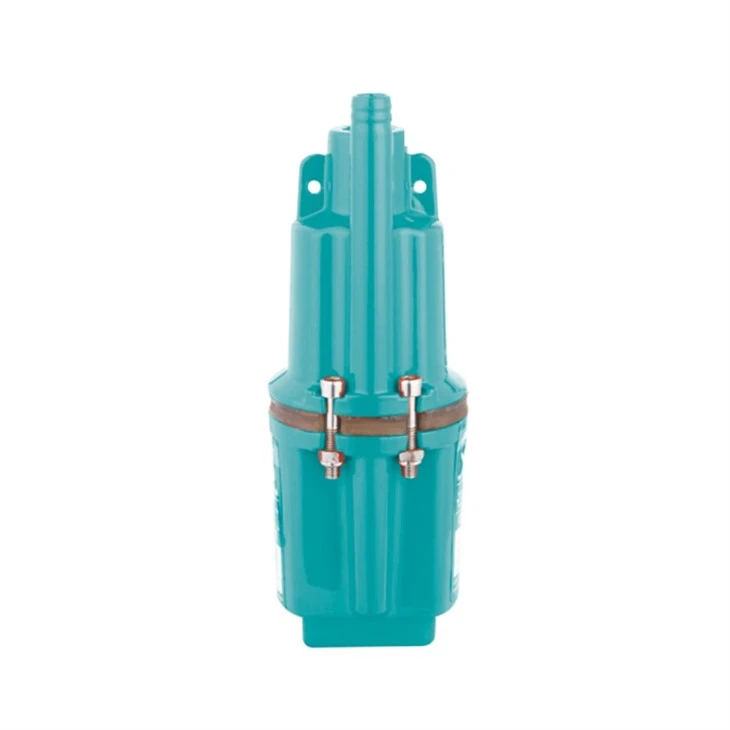
Vibration Pumps


04

Miniature jet pumps

Are used for smaller (typically commercial) applications, such as aquariums.


Application of JET Pump


Residential water supply: Jet pumps are often used to provide water supply for homes, especially those with private wells. They can be used to draw water from shallow or deep wells, depending on the specific needs of the property.


Irrigation: Jet pumps are an excellent choice for irrigation systems, as they can provide consistent water flow and pressure for various types of crops and landscapes.


Pressure boosting: In some cases, a jet pump can be used to boost water pressure in a residential or commercial plumbing system. This can be particularly useful in situations where the existing water pressure is insufficient for proper appliance operation or other needs.


Water treatment: Jet pumps can be used in water treatment systems, such as those that require water to be aerated, mixed, or otherwise treated before use.


Industrial applications: In industrial settings, jet pumps can be used for various tasks, such as cooling, cleaning, and fluid transfer.


Electric Centrifugal Water Pump

Components of JET Pump

Electric motor

This component powers the water well pump through its connection to your home’s electricity supply.


Impeller

The impeller features rotating blades that use centrifugal force to push the water out of the pump.


Pressure switch

A pressure switch opens and closes the pump’s electrical contacts according to its pressure. Based on water usage, the unit activates the connections at the lower or “cut on” pressure and turns them off at the higher or “cut off” level.

Foot valve

A foot valve causes the water flow to travel only in one direction into the pump. Even when the unit isn’t running, the foot valve maintains the pump’s pressure and prime.

Check valve

This component prevents water from going back into the pump after a pipe has brought it out.

Air tank

An air pressure tank stores pressure to create a sufficient amount for your pump. Without the appropriate pressure, the unit could short cycle or turn on and off too frequently.

Ejector

This component features a nozzle and venturi that establishes a vacuum to bring water up from the well against the force of gravity.

How to Maintain JET Pump
 

Remember to clean the cooling fans
Overheating is a serious problem, and if your pump’s motor cooling fans aren’t kept clean this can contribute to long-term damage of your pump.

Clean out any debris like dry leaves or cobwebs that have become caught up in there.

Overheating can eventually damage your pump beyond repair, so make sure you’re cleaning it regularly to extend its lifetime.


Use anti-corrosion products
Anti-corrosion products are a cheap and effective way to keep your well pump working as it should.


Are there any drips?
If you’re noticing dripping water from either your pump or other parts of the system, there may be a problem.

It might just be a case of tightening things up, but you may actually have to replace parts from time to time too. A professional can help to advise you on the cause of, and solution to, all sorts of problems if you don’t have the time to figure it out yourself.


Check with your eyes
Storms can cause heavy damage to all buildings and equipment, including your pump.

So after an event like this, it’s important you go outside and check your pump for damage. If there are visible cracks or indents, it’s a good idea to have them checked out.

Even if everything looks fine on the outside, if you or a member of your family saw the pump being struck – for example by a branch – during a storm, it could still be a good idea to get it seen to by a professional.


Have your pump serviced
Every three or four years, it’s a good idea to have your pump inspected by an expert to make sure it’s in working order.


What Should You Consider When Installing an Eductor-Jet Pump


When installing an eductor-jet pump, there are several aspects to consider. The first is the accessibility of the pump for maintenance. Although eductor-jet pumps require very little maintenance, it is valuable to have reasonably easy access to inspect and clean the pump when necessary. Therefore, even if it is installed in an inaccessible place (such as a borehole), arrangements should be made for how the pump will be retrieved.


Performance monitoring and troubleshooting should also be considered. This may be allowed for by installing upstream and downstream pressure gauges and flow meters. These will provide the necessary information to assess the performance of the eductor-jet pump and provide a quick identification if there is a partial failure or blockage of the pump. In some applications, the suction lift may be particularly critical. This could also be monitored if necessary.


The piping layout to and from the eductor-jet pump is also an important consideration during installation. As far as possible, the piping should have minimal bends and fittings to reduce pressure losses through the piping. Particularly when using the pump for the transport of granular solids, low spots, and sharp bends should be avoided to prevent choking with solids.


JET Pump Working Principle:


The jet pump artificial lift system is composed of two principal parts: the surface pumping equipment and the downhole jet pump. In the surface, the reciprocating pump transfers energy to the fluid increases its pressure, drove through surface piping, production tubing (or annular space) until the jet pump, placed on the bottom.


Surface Equipment consists of the power unit (high-pressure pump with accessories, motor, gear reducer, controller), power fluid conditioning unit (VCU) and high-pressure lines.


When the power fluid travels at high pressure through the smaller area of the jet pump, known as “nozzle“, the Venturi effect occurs increasing the speed and reducing the pressure. This generates the suction of reservoir fluids in the space between the nozzle and the throat.


When the power fluid gets into the mixing tube the flow area increases, reversing the energy transformation, reducing speed, and increasing the pressure.This allows the reservoir fluids to be lifted to the surface through the annular space.


Comparison of JET Pumps


Type of Jet Pump

Application

Depth Capability

Operation Principle

Key Features

Shallow Well Jet Pump

Used for shallow wells, typically in residential water systems

Up to 25 feet

Uses a single pipe to draw water from the well

Simple design, easy to maintain

Deep Well Jet Pump

Ideal for deeper wells

25 to 150 feet

Uses two pipes, one for pulling water and the other for pushing it

Can reach greater depths than shallow well pumps

Convertible Jet Pump

Versatile for shallow or deep wells

Up to 90 feet (depending on configuration)

Can be configured as either shallow or deep well pump

Flexible, can be adapted based on water table depth

Ejector Jet Pump

Used in various applications, including industrial

Varies

Utilizes a high-speed jet to mix with the fluid and create a vacuum

Efficient in handling viscous fluids or mixtures

Steam Jet Pump

Industrial applications, often for pumping liquids or gases

Varies

Uses steam as the working fluid to create suction

No moving parts, handles high-temperature fluids

High-Pressure Jet Pump

Industrial cleaning, cutting, and descaling

Not applicable

Generates high-pressure water jet

Used for cutting, cleaning, and descaling in industrial settings

Air Jet Pump

Aeration, mixing, or to move liquids

Varies

Uses compressed air to create a vacuum and induce flow

Often used for mixing or aeration in process industries


Factors that Affect the Lifespan of a Jet Pump


Usually, jet pumps don’t wear and tear at the same rate. Some jet pumps cannot serve you for an extended period, while others will offer extensive services where necessary. That’s why jet pump repair and maintenance are fundamental undertakings for those who own a jet pump. There are several factors that affect the lifespan of a jet pump:


Jet pump maintenance

Traditionally, people believed that a jet pump’s lifespan depended entirely on how well it was maintained. While maintenance is important, it is not the only factor determining a jet pump’s lifespan. However, this does not mean that you should ignore the necessary maintenance aspects of your jet pump. You must incorporate the necessary repair and maintenance aspects to keep your jet pump in the best shape possible.


Quality of your pump

Over the years, the aspect of quality has played a significant role in the lifespan of a jet pump. The better the quality of your pump, the longer it will last. In most cases, people get what they pay for. So, if you want a jet pump that will serve you for an extended period, you should be willing to spend more money on a high-quality pump. Therefore, quality is an important factor that you should consider when choosing a jet pump.


Surrounding environment

Pumps tend to work harder in some environments than in others. For instance, a jet pump used in an area with a lot of sand will have to work harder than one used in an area with clean water. The type of environment in which the jet pump is used can affect its lifespan. You need to understand where your jet pump is working to have a rough estimate on how many years it will serve you.


Frequency of use

Essentially, a jet pump’s lifespan also depends on how often it is used. A jet pump that is used frequently will not last as long as one that is used infrequently. If you want your jet pump to last a long time, you should use it only when necessary. Avoid using your jet pump for tasks that can be done without it.


How to Prime a Jet Pump

Make sure that the electrical breaker is turned off.


Locate the priming location. Ideally, we would recommend a tee installed vertically coming out of the discharge at the top of the pump. The top of the tee should have a plug or a ball valve and the discharge would flow horizontally. Some pumps will have a separate priming plug that you will remove.


Fill the pump with water via a hose, bucket, or hand primer pump either through the tee or priming port. Replace the plug after the pump and suction pipe are completely full of water.


Turn the breaker on and run the pump through a normal cycle. The pump should run through a normal cycle and shut off. If the pump won’t prime, repeat the process.


Once you have completed these steps you will be able to use your pump as it's meant to be used.

Centrifugal Trash Pump


Troubleshooting a Jet Pump: Low Pressure or Flow


If you are experiencing low water pressure or low flow I have included some troubleshooting steps below to help diagnose the cause.


Check to see if there is water in the pump. If there is no water in the pump, it may have lost its prime. You may have lost prime because the well has run dry, check valve has gone bad, foot valve has gone bad, or you have a leak in the suction pipe.


If there is water in the pump, the internal jet may be plugged. Remove the jet injector from the pump and try to clear the obstruction with a coat hanger or something similar.


If you have ruled out the previous possibilities, you may have a motor problem or an internal pump problem. The internal problem could be the impeller, diffuser or another issue that may require opening up the pump case to explore further.


productcate-1-1


Our Factory

Our company has past management system authentication ISO9001-2015 and carries out the operation strictly according to the ISO9001 quality control system standard and focus on details of each quality.


FAQ
 

Q: How long do jet pumps last?

A: Between 10 and 15 years
The average lifespan of a jet pump is between 10 and 15 years. However, some jet pumps can last for 20 years or more.

Q: How often should a jet pump run?

A: So a minute on and a minute off has always been the minimum rule of thumb. Two minutes on and two minutes off is just that much better for the motor.

Q: Can a jet pump lose its prime?

A: The end result for priming a jet pump is to have the entire pump casing, including the suction pipe, completely full of water with no trapped air. An air leak in the suction line will cause the pump to quit pumping. This is sometimes referred to as 'losing its prime.

Q: Are jet pumps reliable?

A: Jet pumps are a popular choice for managing home water supply, especially in areas where water needs to be drawn from below ground sources like wells. These pumps are known for their efficiency, reliability, and versatility, making them an excellent option for many homeowners.

Q: What pressure should a jet pump be set at?

A: The typical factory settings for a jet pump are either 20/40 psi, 30/50 psi, or 40/60 psi. The pressure switch will engage the contacts when the “cut on” pressure is reached (water usage in the house) and disengage the contacts when the “cut off” pressure is reached.

Q: How far will a jet pump pull water?

A: Convertible Well Jet Pumps pump water from 0' to 90' deep. A Convertible Well Jet Pump can operate between 0' to 25' with a shallow jet well nozzle or between 25' to 90' deep with an ejector assembly. Deep Well Submersible Pumps attach to the bottom of the drop pipe and can operate in wells from 20' up to 300' deep.

Q: Do jet pumps wear out?

A: For example, a jet pump, which is placed above ground, can last between four and 20 years. The average lifespan for a jet pump is about 10 years. A submersible pump, placed underwater in the well, often has a longer lifespan; it will last around 15 years on average.

Q: Which is better, a jet pump or a submersible?

A: Although jet pumps can still handle depths of several hundred feet, submersible pumps are typically more effective at greater depths. By moving the pump down the well, the pump no longer lifts the water but, rather, pushes it upward. A submersible pump won't work, however, unless it's completely submerged in liquid.

Q: What size pressure tank do I need for a jet pump?

A: Well pressure tanks prevent the pump from turning on and off rapidly. You can choose between 20, 30, 50, 85, and 120-gallon tanks. To determine what size you need, multiply the flow rate by the minimum run time. It's usually better to buy a bigger tank over a tank that's too small.

Q: Why is my jet pump not building enough pressure?

A: Check to see if there is water in the pump. If there is no water in the pump, it may have lost its prime. You may have lost prime because the well has run dry, check valve has gone bad, foot valve has gone bad, or you have a leak in the suction pipe. If there is water in the pump, the internal jet may be plugged.

Q: Does a jet pump need a foot valve?

A: Foot valves are used in shallow well jet pump and deep well jet pump installations. The foot valve is required to be installed at the bottom of the well suction line piping. Similar to the check valve, the foot valve prevents water from flowing back out of the jet pump.

Q: Does a jet pump need to be primed?

A: Without first priming, the pump will not work properly. Priming is simply getting your pump ready to move water by making sure that the suction pipe and the casing of the pump are full of water. Running a pump that is not primed can cause serious damage to the pump.

As one of the leading jet pump manufacturers and suppliers in China, we warmly welcome you to wholesale discount jet pump for sale here from our factory. All our products are with high quality and low price.

global jet pump market, customized jet pump, jet pump repair

Send Inquiry