



Are vibration pumps energy - efficient?
May 19, 2025
Leave a message
Hey there! I'm a supplier of vibration pumps, and today I wanna chat with you about whether vibration pumps are energy - efficient. It's a hot topic that a lot of customers bring up when they're looking to buy pumps, so let's dive right in.
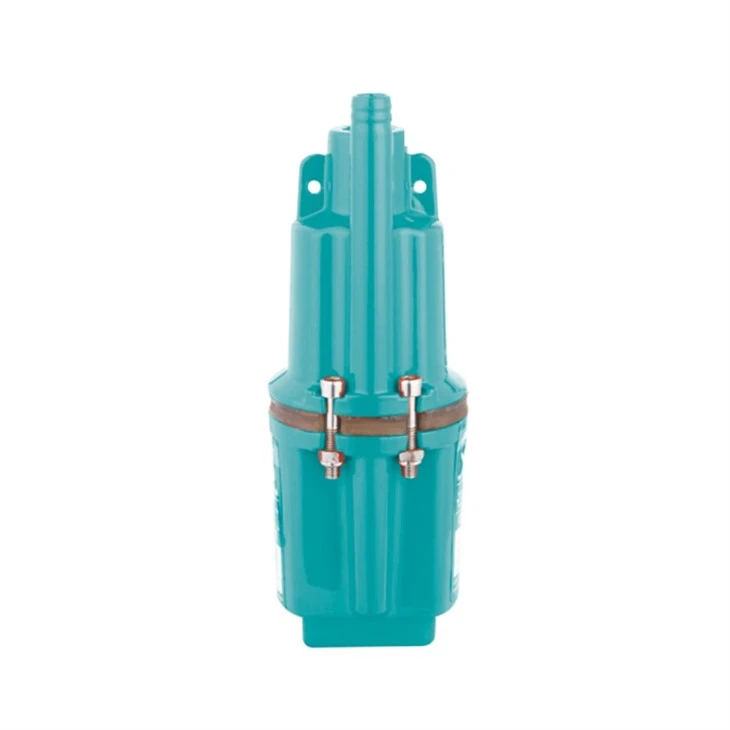
First off, let's understand what vibration pumps are. Vibration pumps are a type of submersible water pump. You can find more info about them on this page: Vibration Pumps. These pumps work by using an electromagnetic coil that vibrates a diaphragm. This vibration creates pressure differences, which then suck in and push out water. They're commonly used in small - scale water transfer applications, like in aquariums, small fountains, and some domestic water supply systems.
Now, let's talk about energy efficiency. Energy efficiency is all about getting the most work done with the least amount of energy input. In the case of pumps, it means moving as much water as possible using the least amount of electricity.
One of the big advantages of vibration pumps when it comes to energy efficiency is their simplicity. They have fewer moving parts compared to some other types of pumps. For example, centrifugal pumps often have complex impellers and shafts that need to be rotated. With vibration pumps, the main action is just the vibration of the diaphragm. This simplicity means there's less friction and mechanical loss. Less friction means that less energy is wasted as heat, and more of the electrical energy is actually used to move water.
Another factor that contributes to their energy - efficient nature is their size. Vibration pumps are usually small. They're designed for low - flow and low - head applications. This means they don't need a huge amount of power to operate. For instance, if you've got a small home aquarium, a vibration pump can keep the water circulating with just a few watts of power. In contrast, a larger pump designed for industrial use would use far more energy, even if it's not working at full capacity.
However, it's not all sunshine and rainbows. Vibration pumps do have some limitations in terms of energy efficiency. One of the main issues is their efficiency at higher heads. Head refers to the height that the pump needs to lift the water. Vibration pumps are not very good at lifting water to great heights. As the head increases, the energy required to move the water also increases, and the efficiency of the pump drops off quite quickly.
Let's say you want to use a vibration pump to lift water from a well that's 20 meters deep. The pump would have to work really hard, and it might end up using a lot more energy than a more suitable pump type, like a deep - well submersible pump. In this situation, the vibration pump's efficiency is severely compromised because it's not designed for such high - head applications.
Another drawback is their relatively low flow rate. Vibration pumps are great for small - scale applications where only a small amount of water needs to be moved. But if you need to transfer a large volume of water quickly, they're not the best choice. Since they can't move a lot of water at once, you might have to run them for a longer time to achieve the desired volume, which in turn uses more energy.
Now, let's compare vibration pumps with other types of pumps in terms of energy efficiency. Centrifugal pumps are a common alternative. Centrifugal pumps are more efficient at higher flow rates and higher heads. They can move large volumes of water over long distances with relatively good energy efficiency. However, they're also more complex and more expensive to purchase and maintain.
Positive displacement pumps, on the other hand, are very efficient at moving fluids at a constant rate. They're often used in applications where precision is required, like in chemical dosing systems. But they also tend to be more expensive and may not be as energy - efficient as vibration pumps for small - scale, low - pressure applications.
So, are vibration pumps energy - efficient? The answer is it depends. For small - scale, low - head, and low - flow applications, vibration pumps can be very energy - efficient. They're simple, inexpensive, and use relatively little power. But for high - head or high - flow applications, other pump types may be a better choice.

If you're in the market for a pump and you're not sure whether a vibration pump is right for you, here are some things to consider. First, think about the application. What are you using the pump for? Is it a small aquarium, a backyard fountain, or something larger? Second, consider the head and flow rate requirements. How high do you need to lift the water, and how much water do you need to move?
As a vibration pump supplier, I'm here to help you make the right choice. If you think a vibration pump might be suitable for your needs, or if you have any questions about energy efficiency or any other aspect of our pumps, don't hesitate to reach out. We can have a detailed discussion about your requirements and find the best solution for you. Whether it's a single pump for a home project or a bulk order for a commercial application, we're here to assist.
In conclusion, vibration pumps have their place in the world of water pumping. They offer good energy efficiency in the right situations, and their simplicity and low cost make them an attractive option for many users. So, if you're looking for an energy - efficient solution for your small - scale water transfer needs, give vibration pumps a closer look.
References
- General knowledge about pump technology and energy efficiency from industry experience.
- Research on different types of pumps and their performance characteristics.
Send Inquiry