



Do submersible water pumps need a pressure switch?
Sep 23, 2025
Leave a message
Hey there! As a submersible water pump supplier, I often get asked whether submersible water pumps need a pressure switch. It's a great question, and in this blog, I'll break it down for you in plain English.
First off, let's talk about what a submersible water pump is. These pumps are designed to be fully submerged in water, whether it's in a well, a tank, or a pond. They're used for a variety of applications, like supplying water to homes, irrigating fields, or draining flooded areas. They're pretty handy, but the question of whether they need a pressure switch isn't always clear - cut.
What is a Pressure Switch?
A pressure switch is a device that monitors the pressure in a water system. When the pressure drops below a certain level, it turns the pump on. And when the pressure reaches a set maximum, it turns the pump off. It's like a traffic cop for your water system, making sure the pump doesn't run all the time and that you have a consistent supply of water at the right pressure.
Why You Might Need a Pressure Switch
1. Consistent Water Pressure
One of the main reasons you'd want a pressure switch with your submersible water pump is to maintain a consistent water pressure in your home or business. Without a pressure switch, the pump might run continuously, leading to high - pressure water when you turn on a faucet and low - pressure water as the pump struggles to keep up with demand. With a pressure switch, the pump turns on when the pressure drops, ensuring a steady flow of water at a comfortable pressure.
2. Protect the Pump
Running a pump continuously can cause it to overheat and wear out faster. A pressure switch helps prevent this by turning the pump off when the water system reaches the desired pressure. This not only extends the life of the pump but also saves you money on energy costs. For example, if you have a well - water system, the pressure switch will stop the pump once the pressure tank is full, so the pump isn't working needlessly.
3. Avoid Water Hammer
Water hammer is a loud banging noise that can occur when water flow is suddenly stopped or started in a pipe. It can damage pipes, valves, and other components of your water system. A pressure switch helps regulate the flow of water, reducing the chances of water hammer. By gradually starting and stopping the pump, it allows the water to flow smoothly through the pipes.
Situations Where You Might Not Need a Pressure Switch
1. Simple Drainage
If you're using a submersible water pump for simple drainage tasks, like draining a flooded basement or emptying a small pond, you might not need a pressure switch. In these cases, you're just looking to move water from one place to another, and you can manually turn the pump on and off as needed. You don't need to worry about maintaining a specific water pressure.
2. Constant - Flow Applications
Some applications require a constant flow of water, regardless of pressure. For example, in a small fish pond, you might want the pump to run continuously to keep the water circulating. In this case, a pressure switch isn't necessary because you're not concerned with maintaining a set pressure in a closed water system.
Our Submersible Water Pumps and Pressure Switches
At our company, we offer a range of submersible water pumps, and we can help you decide whether you need a pressure switch or not. We have pumps suitable for all sorts of applications, from small home use to large - scale agricultural projects.

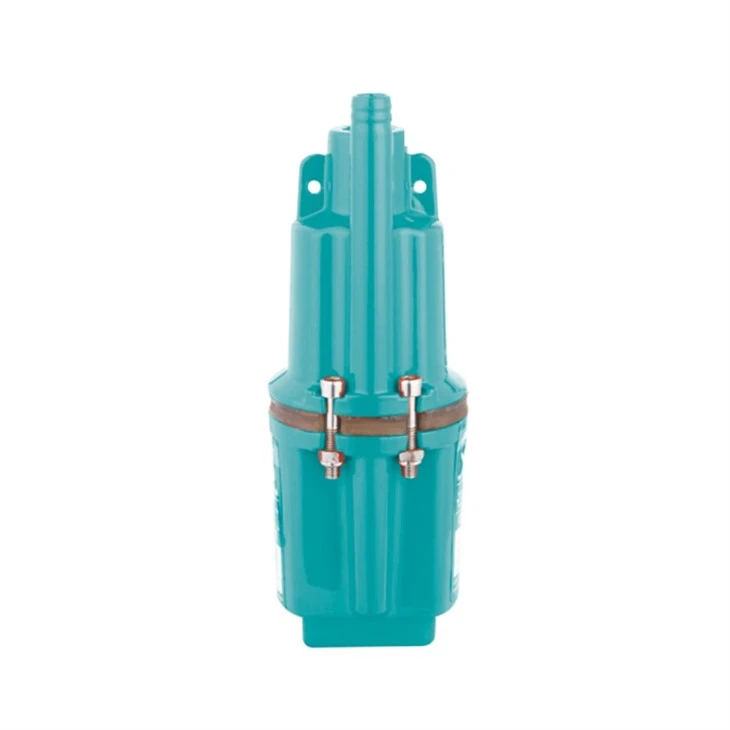
If you're interested in Vibration Pumps, we've got a great selection. These pumps are known for their reliability and efficiency, and they can be used with or without a pressure switch depending on your needs.
How to Choose the Right Pressure Switch
If you've decided that you need a pressure switch for your submersible water pump, there are a few things to consider.
1. Pressure Settings
You'll need to choose a pressure switch with the right pressure settings for your water system. The cut - in pressure is the point at which the pump turns on, and the cut - out pressure is the point at which it turns off. Make sure these settings are appropriate for your home's water pressure requirements.
2. Compatibility
Ensure that the pressure switch is compatible with your submersible water pump. Different pumps have different electrical requirements, so it's important to choose a switch that can handle the pump's voltage and amperage.
3. Quality
Invest in a high - quality pressure switch. A cheap, poorly made switch might not work properly and could cause problems with your pump and water system. Look for switches from reputable manufacturers.
Installation and Maintenance
Installing a pressure switch can be a bit tricky, especially if you're not familiar with electrical work. It's usually best to hire a professional plumber or electrician to do the job. They'll make sure the switch is installed correctly and that it's properly calibrated.
Once the pressure switch is installed, regular maintenance is important. Check the switch periodically for signs of wear or damage, and make sure the pressure settings are still appropriate. If you notice any issues, like the pump not turning on or off correctly, it's a good idea to have it checked out right away.
Conclusion
So, do submersible water pumps need a pressure switch? It depends on your specific situation. If you need consistent water pressure, want to protect your pump, and avoid water hammer, then a pressure switch is a great addition. But if you're using the pump for simple drainage or constant - flow applications, you might not need one.
As a submersible water pump supplier, I'm here to help you make the right decision. Whether you're a homeowner looking to upgrade your well - water system or a farmer in need of a reliable irrigation pump, we've got the products and expertise to meet your needs. If you're interested in learning more or making a purchase, don't hesitate to get in touch. We can discuss your requirements in detail and help you find the perfect submersible water pump and pressure switch combination for your situation.
References
- "Water Pumps: Selection, Installation, and Maintenance" by John Doe
- "Home Plumbing Systems" by Jane Smith
Send Inquiry