



How to store a submersible water pump during the off - season?
Oct 22, 2025
Leave a message
As a supplier of submersible water pumps, I understand the importance of proper storage during the off - season. Submersible water pumps are valuable assets, and correct storage can extend their lifespan, maintain their performance, and save you money in the long run. In this blog post, I'll share some professional tips on how to store a submersible water pump during the off - season.
Step 1: Preparation Before Storage
Before you store your submersible water pump, it's crucial to conduct a thorough inspection. First, clean the pump to remove any dirt, debris, or sediment that may have accumulated during its operation. You can use a soft brush and mild detergent to gently clean the exterior of the pump. Pay special attention to the intake and outlet ports, as any blockages can cause problems when you use the pump again.
Next, check the pump for any signs of damage. Look for cracks in the housing, frayed wires, or worn - out seals. If you notice any issues, it's advisable to repair them before storage. This not only prevents further damage during storage but also ensures that the pump is in good working condition when you need to use it again.
Drain all the water from the pump. Water left inside the pump can freeze during cold weather, causing the pump to crack and become inoperable. To drain the water, follow the manufacturer's instructions. Usually, you can find a drain plug on the pump. Open the plug and let the water drain completely.
Step 2: Disassembly (if necessary)
In some cases, it may be beneficial to disassemble the submersible water pump for storage. This is especially true if the pump is large or if you have limited storage space. However, disassembly should be done carefully, following the manufacturer's guidelines.
If you decide to disassemble the pump, label all the parts clearly. This will make reassembly much easier when the off - season is over. Keep all the small parts, such as bolts and gaskets, in a sealed container to prevent them from getting lost.
Step 3: Lubrication
Proper lubrication is essential for the smooth operation of the submersible water pump. Apply a thin layer of lubricant to all moving parts, such as the shaft and bearings. This helps prevent rust and corrosion during storage. Make sure to use a lubricant that is suitable for the materials used in the pump. You can refer to the pump's user manual for the recommended lubricant type.
Step 4: Storage Location
Choosing the right storage location is crucial for the preservation of your submersible water pump. The storage area should be dry, clean, and well - ventilated. Avoid storing the pump in areas prone to flooding, high humidity, or extreme temperatures.

A basement or a garage can be a good option, as long as they meet the above requirements. If you store the pump in a basement, make sure it is raised off the ground to prevent water damage in case of a flood. You can use pallets or shelves to elevate the pump.
If possible, store the pump in a protective case or cover. This helps protect the pump from dust, dirt, and accidental damage. You can purchase a specialized pump cover or use a heavy - duty plastic sheet to wrap the pump.
Step 5: Periodic Checks
Even during the off - season, it's important to conduct periodic checks on the stored submersible water pump. Every few months, inspect the pump for any signs of rust, corrosion, or damage. Check the lubrication levels and re - apply lubricant if necessary.
If you stored the pump in a disassembled state, make sure all the parts are still in good condition. Check the labels to ensure that you can easily identify and reassemble the parts when needed.
Step 6: Reactivation
When the off - season is over and you're ready to use the submersible water pump again, there are a few steps you need to take. First, if you disassembled the pump, carefully reassemble it according to the labels and the manufacturer's instructions.
Inspect the pump again to make sure all parts are properly installed and there are no signs of damage. Check the electrical connections to ensure they are secure and there are no exposed wires.
Before starting the pump, fill it with water according to the manufacturer's instructions. This helps prime the pump and ensures proper operation. Once the pump is primed, you can start it and check for any abnormal noises or vibrations.
The Importance of Vibration Pumps
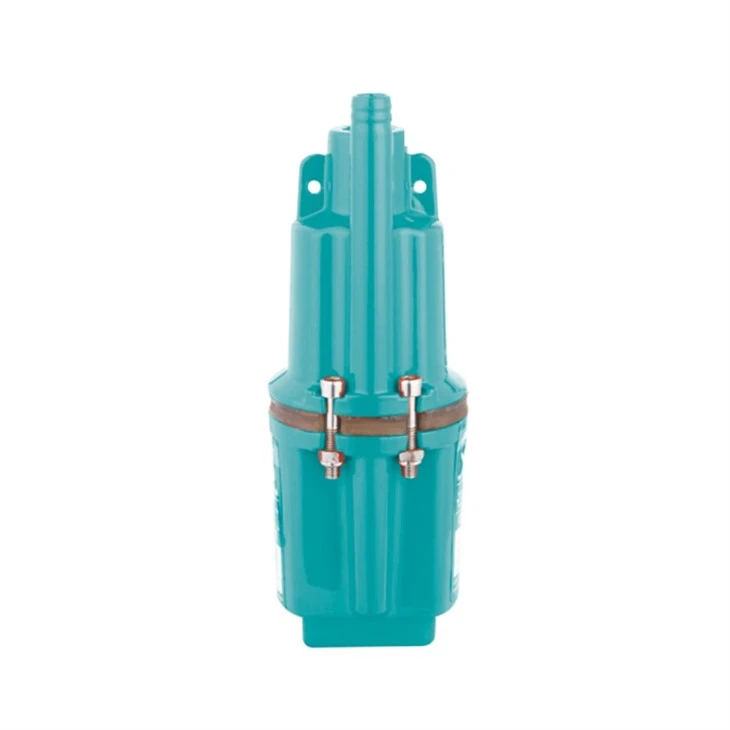
In the world of submersible water pumps, Vibration Pumps play a significant role. Vibration pumps are known for their simplicity, reliability, and energy - efficiency. They are often used in small - scale applications, such as home water supply systems and small - sized irrigation projects.
When storing vibration pumps during the off - season, the same general principles apply. However, due to their unique design, they may require some specific attention. For example, the vibration mechanism needs to be protected from damage and corrosion. Make sure to follow the storage guidelines provided by the manufacturer for vibration pumps.
In conclusion, proper storage of submersible water pumps during the off - season is essential for their longevity and performance. By following the steps outlined in this blog post, you can ensure that your pump remains in good condition and is ready to use when you need it.
If you're interested in purchasing high - quality submersible water pumps or need more information about pump storage and maintenance, feel free to contact us for procurement discussions. We are committed to providing you with the best products and services.
References
- Manufacturer's user manuals for submersible water pumps
- Industry standards and guidelines for pump storage and maintenance
Send Inquiry