



How to test a new submersible water pump?
Dec 15, 2025
Leave a message
As a trusted supplier of submersible water pumps, I understand the paramount importance of ensuring the proper functionality of these products before they reach our customers. Testing a new submersible water pump is a meticulous process that involves a series of checks and evaluations to guarantee its performance, reliability, and safety. In this blog, I will share a comprehensive guide on how to test a new submersible water pump, drawing from my extensive experience in the industry.
Pre - test Preparations
Before diving into the actual testing procedures, it is essential to make thorough preparations. First and foremost, carefully examine the packaging and the pump itself for any visible signs of damage during transit. Check the pump's exterior for dents, scratches, or any other physical imperfections that could potentially affect its performance.
Next, gather all the necessary tools and equipment for the testing process. This typically includes a multimeter to measure electrical parameters, a pressure gauge to assess water pressure, a flow meter to measure water flow rate, and a container large enough to submerge the pump. Ensure that all these tools are in good working condition and properly calibrated.
Read through the manufacturer's instructions and specifications for the specific model of the submersible water pump. Familiarize yourself with the recommended operating conditions, such as voltage, power, and maximum flow rate. This information will serve as a benchmark for evaluating the pump's performance during testing.
Electrical Testing
The first step in testing a submersible water pump is to conduct electrical tests. Use a multimeter to measure the resistance of the pump's motor windings. A proper reading should fall within the range specified by the manufacturer. If the resistance is too high or too low, it could indicate a problem with the motor, such as a short circuit or an open circuit.
Check the insulation resistance of the pump. This helps to ensure that there is no leakage of electrical current, which is a critical safety factor. A high - quality submersible water pump should have a good insulation resistance value. If the insulation resistance is below the recommended level, it is necessary to investigate further to identify the source of the problem, which could be due to damaged wiring or a faulty seal.
Verify the voltage requirements of the pump. Connect the pump to a power source that matches its specified voltage. Use a multimeter to measure the actual voltage at the pump terminals. Fluctuations in voltage can affect the pump's performance and lifespan. Ensure that the voltage remains stable within the acceptable range throughout the testing process.
Hydraulic Testing
Once the electrical tests are successfully completed, it's time to move on to hydraulic testing. Place the submersible water pump in the container filled with water. Make sure the pump is fully submerged to the appropriate depth as recommended by the manufacturer. This is important because the pump is designed to operate under specific submersion conditions.
Start the pump and allow it to run for a few minutes to reach a steady - state operation. During this time, observe the water flow. A properly functioning pump should generate a consistent and strong flow of water. Use a flow meter to measure the actual flow rate of the water. Compare the measured flow rate with the pump's rated flow rate specified in the manufacturer's documentation. If there is a significant difference, it could indicate a problem with the pump, such as a clogged impeller or a damaged volute.
Measure the water pressure at the pump outlet using a pressure gauge. The pressure should also be within the expected range. Low pressure may suggest issues like a leak in the system or an inefficient impeller design, while excessively high pressure could cause damage to the pump or the connected pipes.
Listen carefully to the sound of the pump while it is running. An abnormal noise, such as grinding, rattling, or screeching, could be a sign of mechanical problems, such as loose parts, worn bearings, or misaligned components. It is important to address these issues immediately to prevent further damage to the pump.
Vibration Testing
Vibration is another crucial aspect to consider when testing a submersible water pump. Excessive vibration can lead to premature wear and tear of the pump components and may even cause the pump to fail prematurely. During the testing process, pay attention to the level of vibration. You can use vibration - measuring equipment to quantify the vibration amplitude.
If the pump vibrates excessively, it could be due to several factors. One common cause is an unbalanced impeller. An unbalanced impeller can create uneven forces during rotation, resulting in vibration. Another possible cause is improper installation, such as loose mounting bolts or misaligned connections.
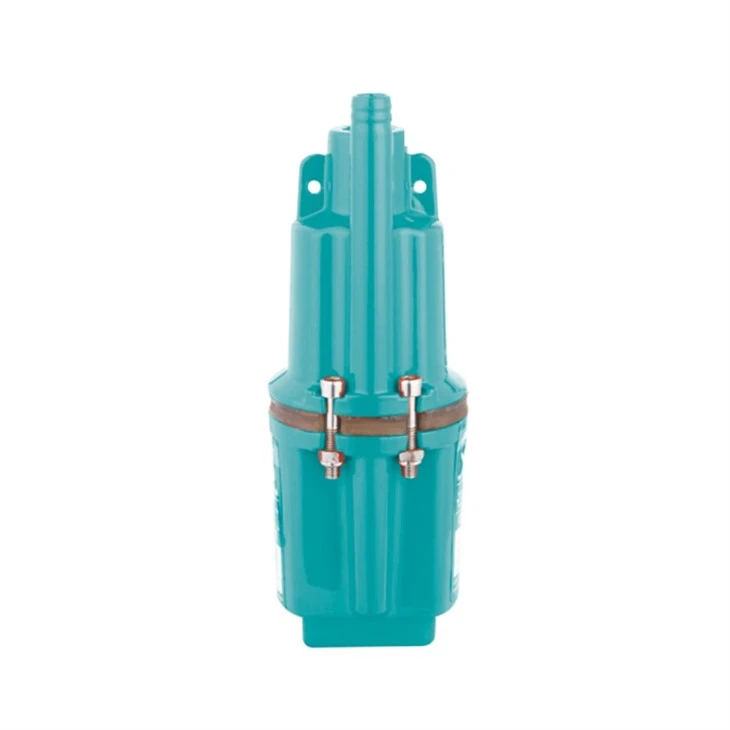
For more information on submersible water pumps and their vibration characteristics, you can visit our website page on Vibration Pumps.
Performance Testing Under Different Conditions
To ensure the versatility and reliability of the submersible water pump, it is advisable to conduct performance testing under different conditions. Vary the depth at which the pump is submerged and observe how it affects the flow rate and pressure. Different depths can change the hydraulic resistance, and the pump should be able to adapt accordingly.
Test the pump with different types of water, such as clean water and water with a certain amount of sediment or debris. This helps to evaluate the pump's ability to handle different water qualities. Some pumps are designed to be more resistant to abrasion and clogging, and testing with dirty water can reveal whether the pump meets these requirements.
Long - term Testing
In addition to the initial tests, it is recommended to perform long - term testing. Run the pump continuously for an extended period, such as 24 hours or more, depending on the pump's intended use. During this long - term operation, monitor the pump's performance parameters, including flow rate, pressure, and temperature. A sudden change in these parameters could indicate a developing problem.
Check the pump for any signs of overheating. Overheating can damage the motor and other components of the pump. If the pump gets too hot during long - term operation, it may be necessary to adjust the cooling system or investigate the possible causes, such as a blocked cooling channel or an overloaded motor.
Safety Testing
Safety is always a top priority when it comes to submersible water pumps. Test the pump's safety features, such as the thermal overload protection device. This device is designed to automatically shut off the pump if it overheats, preventing damage to the motor and reducing the risk of fire.
Check the integrity of the pump's enclosure and seals. A well - sealed pump prevents water from entering the electrical components, which is essential for preventing electrical hazards. Inspect the power cord for any signs of damage, such as fraying or exposed wires.
Final Inspection and Documentation
After completing all the tests, conduct a final inspection of the pump. Look for any signs of wear, damage, or leaks that may have occurred during the testing process. Clean the pump if necessary and make any minor adjustments.
Document all the testing results, including the electrical measurements, hydraulic performance data, vibration levels, and any observations made during the testing. This documentation is valuable for quality control purposes and can also be provided to customers as proof of the pump's performance.
Conclusion
Testing a new submersible water pump is a complex but necessary process to ensure its quality, performance, and safety. By following the steps outlined in this blog, you can effectively evaluate the pump's functionality and identify any potential issues before it is put into use.
As a submersible water pump supplier, we are committed to providing high - quality products that meet the highest industry standards. If you have any questions about our submersible water pumps or are interested in purchasing our products, we encourage you to contact us for procurement discussions. We have a team of experts ready to assist you in finding the most suitable pump for your specific needs.

References
- Manufacturer's manuals and specifications for submersible water pumps.
- Industry standards and guidelines for testing water pumps.
Send Inquiry