



What are the advantages and disadvantages of parallel operation of centrifugal pumps?
Nov 05, 2025
Leave a message
Hey there! As a supplier of centrifugal pumps, I've seen firsthand the ins and outs of these amazing machines, especially when they're run in parallel. Let's dive right in and check out the advantages and disadvantages of parallel operation of centrifugal pumps.
Advantages of Parallel Operation of Centrifugal Pumps
1. Increased Flow Rate
One of the biggest perks of running centrifugal pumps in parallel is the significant boost in flow rate. When you connect multiple pumps together, they work in tandem to push more fluid through the system. This is super useful in large - scale industrial applications where a high volume of fluid needs to be moved quickly. For example, in a water treatment plant, parallel pumps can ensure that a large amount of water is processed efficiently.
Let's say you have a single Standard Centrifugal Pump that can deliver a flow rate of 100 cubic meters per hour. If you add another identical pump in parallel, you can potentially double that flow rate to 200 cubic meters per hour, depending on the system characteristics.
2. Flexibility
Parallel operation offers great flexibility in system design and operation. You can adjust the number of pumps in operation based on the actual demand. During periods of low demand, you can run just one or a few pumps, saving energy and reducing wear and tear on the equipment. When demand spikes, you can easily start up additional pumps to meet the increased flow requirements.
For instance, in an irrigation system, during the dry season when water demand is high, all the parallel pumps can be activated. But in the rainy season, when less water is needed, only one or two pumps may be sufficient. This flexibility also allows for easier maintenance. You can take one pump offline for servicing while the others continue to operate, minimizing downtime.
3. Redundancy
Redundancy is a crucial advantage of parallel pump operation. If one pump fails, the others can still keep the system running, albeit at a reduced capacity. This is vital in critical applications such as fire - fighting systems or power plant cooling. In a fire - fighting system, a single pump failure shouldn't mean the entire system goes down. The remaining pumps can still provide enough water pressure to fight the fire until the faulty pump is repaired or replaced.
4. Energy Efficiency in Some Cases
In certain situations, parallel operation can be more energy - efficient. When the system demand varies, running multiple smaller pumps in parallel can be more energy - efficient than using a single large pump. Smaller pumps often have better efficiency curves at partial loads. For example, a large pump may operate inefficiently at low flow rates, but multiple smaller pumps can be operated at their optimal efficiency points by adjusting the number of running pumps according to the demand.

Disadvantages of Parallel Operation of Centrifugal Pumps
1. Complex System Design and Installation
Setting up a parallel pump system is more complex than installing a single pump. You need to carefully design the piping layout to ensure equal flow distribution among the pumps. Improper piping design can lead to uneven flow, causing some pumps to work harder than others. This can result in premature wear and reduced overall system efficiency.
The control system for parallel pumps is also more complicated. You need to ensure that the pumps are started and stopped in a coordinated manner to avoid water hammer and other hydraulic issues. Additionally, the electrical connections and wiring for multiple pumps require more planning and installation work.
2. Higher Initial Cost
The initial cost of purchasing and installing multiple pumps is higher than that of a single pump. You not only have to buy the additional pumps but also invest in the necessary piping, valves, and control systems. For a small - scale application where the flow requirements are relatively stable, the cost of a parallel pump system may not be justified.
3. Potential for Hydraulic Instability
Parallel operation can sometimes lead to hydraulic instability. If the pumps have different performance curves or if the system characteristics change, the pumps may interact in an unpredictable way. This can cause fluctuations in flow rate and pressure, leading to vibrations and noise in the system. In extreme cases, hydraulic instability can damage the pumps and other components of the system.
For example, if one pump has a higher head - flow curve than the others, it may try to push more fluid through the system, causing the other pumps to operate at a different point on their curves. This can result in surging and cavitation, which are harmful to the pumps.
4. Increased Maintenance Requirements
With multiple pumps in the system, the maintenance requirements are also increased. You have more components to inspect, repair, and replace. Each pump needs to be maintained regularly to ensure its proper operation. This includes tasks such as checking the bearings, seals, and impellers, as well as monitoring the motor performance.
Moreover, the control system and piping also require more attention. Any blockage or malfunction in the piping can affect the performance of all the pumps in the parallel system.
Our Centrifugal Pump Offerings
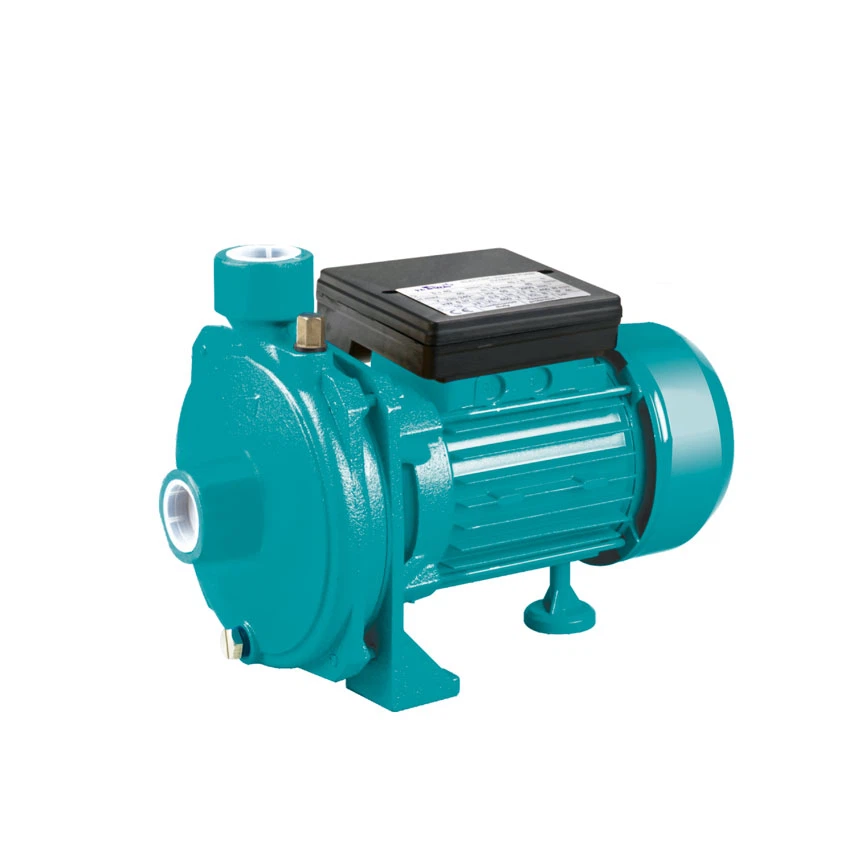
At our company, we offer a wide range of centrifugal pumps suitable for parallel operation. Our Stainless Centrifugal Pump is made of high - quality stainless steel, which is corrosion - resistant and ideal for applications where the fluid being pumped is corrosive. It can be used in chemical processing plants, food and beverage industries, and more.
The Electric Centrifugal Water Pump is a popular choice for water - related applications such as water supply, irrigation, and building services. It is energy - efficient and easy to operate, making it a great option for both small - scale and large - scale projects.
Conclusion
Parallel operation of centrifugal pumps has its fair share of advantages and disadvantages. The increased flow rate, flexibility, redundancy, and potential energy efficiency are significant benefits, especially in large - scale and critical applications. However, the complex system design, higher initial cost, potential for hydraulic instability, and increased maintenance requirements are factors that need to be carefully considered.
If you're thinking about using centrifugal pumps in parallel for your project, we're here to help. Our team of experts can assist you in selecting the right pumps, designing the system, and providing ongoing support. Whether you need a single pump or a parallel pump system, we have the products and knowledge to meet your needs. If you're interested in learning more or discussing your specific requirements, feel free to reach out to us for a detailed consultation and procurement discussion.
References
- "Centrifugal Pumps: Design and Application" by Igor J. Karassik et al.
- "Pump Handbook" by Karassik, Messina, Cooper, and Heald.
Send Inquiry