



What causes noise in a standard centrifugal pump?
Nov 06, 2025
Leave a message
Noise in a standard centrifugal pump can be a concerning issue for many users. As a supplier of standard centrifugal pumps, I've encountered various situations where customers have reported noise problems. Understanding the causes of this noise is crucial for both troubleshooting and preventing potential issues in the future.
Cavitation
One of the most common causes of noise in a centrifugal pump is cavitation. Cavitation occurs when the pressure of the liquid drops below its vapor pressure, causing vapor bubbles to form. These bubbles then collapse when they reach a region of higher pressure, creating shock waves that can generate noise and damage the pump components.
The formation of vapor bubbles is often due to factors such as low inlet pressure, high liquid temperature, or a high flow rate. For example, if the pump is located too far above the liquid source, the suction head may be insufficient, leading to a drop in pressure at the inlet of the pump. Similarly, if the liquid being pumped is at a high temperature, its vapor pressure will be higher, increasing the likelihood of cavitation.
To prevent cavitation, it's important to ensure that the pump is properly sized and installed. The inlet pressure should be maintained within the recommended range, and the liquid temperature should be monitored. Additionally, using a pump with a higher NPSH (Net Positive Suction Head) margin can help reduce the risk of cavitation.
Mechanical Issues
Mechanical problems can also contribute to noise in a centrifugal pump. Worn bearings, misaligned shafts, or loose components can all cause vibrations and noise. For instance, if the bearings are worn, they may not be able to support the shaft properly, leading to excessive movement and noise.
Misalignment of the pump shaft and the motor shaft can also cause significant noise. When the shafts are not properly aligned, the pump will experience uneven forces, which can result in vibrations and noise. This can be caused by improper installation or thermal expansion and contraction of the pump and motor.
Regular maintenance is essential to prevent mechanical issues. Bearings should be inspected and replaced as needed, and the shafts should be aligned correctly. Tightening loose components and checking for any signs of wear or damage can also help reduce noise.
Hydraulic Imbalance
Hydraulic imbalance occurs when the flow of liquid through the pump is not uniform. This can be caused by factors such as clogged impellers, uneven wear on the impeller blades, or a damaged volute. When the flow is uneven, the pump will experience uneven forces, which can lead to vibrations and noise.
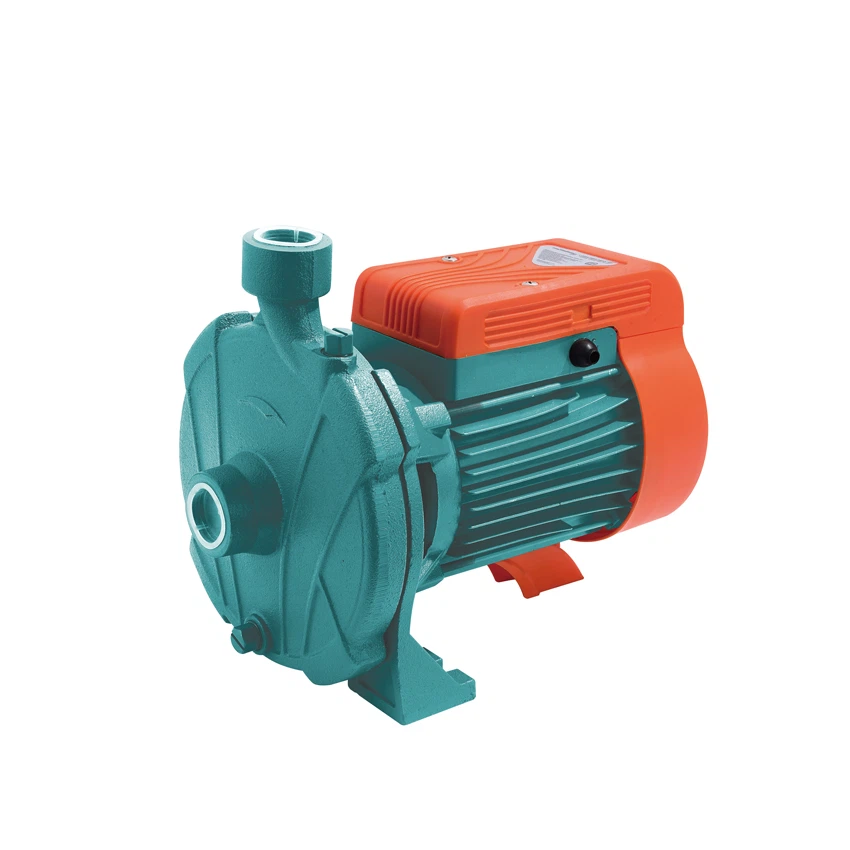
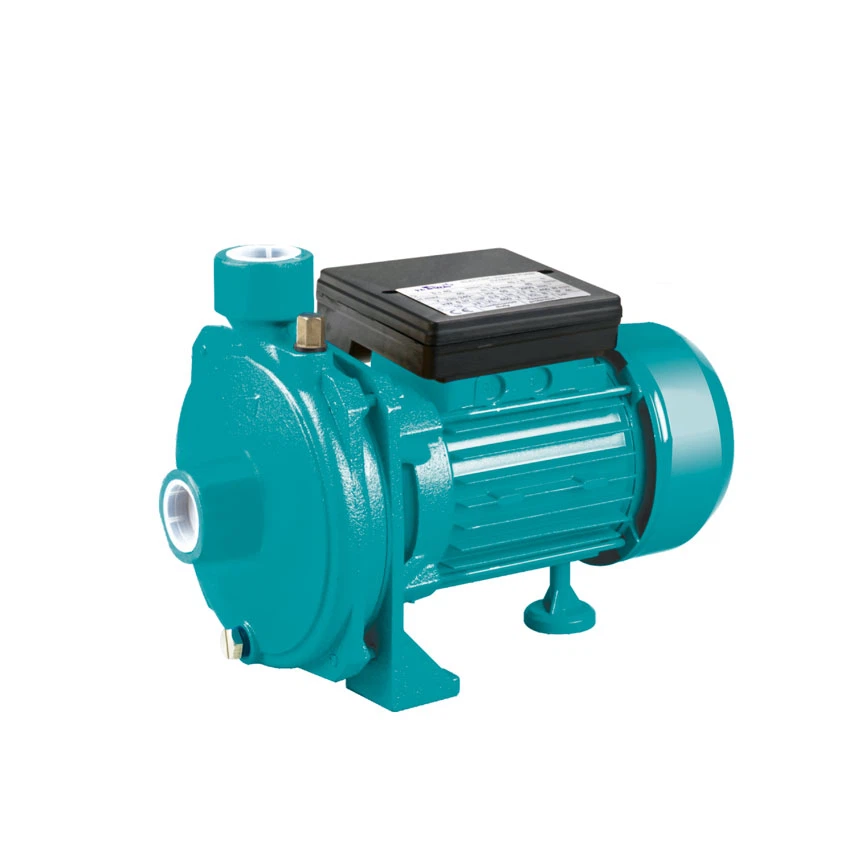
A clogged impeller can restrict the flow of liquid, causing the pump to work harder and generate more noise. Uneven wear on the impeller blades can also disrupt the flow pattern, leading to hydraulic imbalance. Similarly, a damaged volute can affect the way the liquid is directed through the pump, causing noise and reduced efficiency.
To address hydraulic imbalance, the impeller should be inspected and cleaned regularly. If the impeller is damaged, it may need to be replaced. The volute should also be checked for any signs of damage and repaired or replaced as necessary.
Air Entrainment
Air entrainment is another potential cause of noise in a centrifugal pump. When air is mixed with the liquid being pumped, it can cause the pump to operate inefficiently and generate noise. Air entrainment can occur due to a variety of reasons, such as a leak in the suction line, a faulty seal, or a high level of agitation in the liquid source.
A leak in the suction line can allow air to enter the pump, disrupting the flow of liquid and causing noise. A faulty seal can also allow air to enter the pump, especially if it is not properly installed or has worn out. Additionally, if the liquid source is highly agitated, such as in a tank with a mixer, air can be entrained in the liquid and carried into the pump.
To prevent air entrainment, it's important to check the suction line for any leaks and repair them as soon as possible. The seals should be inspected and replaced if necessary. Additionally, reducing the level of agitation in the liquid source can help minimize air entrainment.
Fluid Properties
The properties of the fluid being pumped can also affect the noise level of the pump. Viscous fluids, for example, can cause the pump to work harder and generate more noise. High-viscosity fluids require more energy to pump, which can lead to increased vibrations and noise.
The presence of solids in the fluid can also cause problems. Solids can wear down the impeller and other pump components, leading to noise and reduced efficiency. Additionally, if the solids are large or abrasive, they can cause blockages in the pump, further increasing the noise level.
When pumping viscous fluids or fluids with solids, it's important to select a pump that is designed for these applications. Specialized pumps with larger impeller clearances and more robust construction can handle these types of fluids more effectively, reducing the risk of noise and damage.
System Design
The design of the pumping system can also contribute to noise in the centrifugal pump. For example, if the piping system is too small or has too many bends and fittings, it can cause high pressure drops and turbulence, leading to noise. Additionally, if the pump is operating at a flow rate that is too far from its best efficiency point, it can generate more noise.
To optimize the system design, the piping should be sized correctly to minimize pressure drops. The number of bends and fittings should be reduced as much as possible, and smooth transitions should be used. It's also important to select a pump that is suitable for the required flow rate and pressure, and to operate the pump at or near its best efficiency point.
Conclusion
In conclusion, there are several factors that can cause noise in a standard centrifugal pump, including cavitation, mechanical issues, hydraulic imbalance, air entrainment, fluid properties, and system design. As a supplier of standard centrifugal pumps, I understand the importance of providing high-quality products and solutions to our customers. We offer a wide range of centrifugal pumps, including 1 2 Hp Centrifugal Pump, 110v Centrifugal Pump, and Stainless Centrifugal Pump, to meet the diverse needs of our customers.
If you're experiencing noise issues with your centrifugal pump or are looking for a reliable pump for your application, we're here to help. Our team of experts can provide you with professional advice and support to ensure that you select the right pump and optimize its performance. Contact us today to discuss your requirements and start a procurement negotiation.
References
- Karassik, I. J., Messina, J. P., Cooper, P. T., & Heald, C. C. (2008). Pump Handbook. McGraw-Hill Professional.
- Stepanoff, A. J. (1957). Centrifugal and Axial Flow Pumps: Theory, Design, and Application. John Wiley & Sons.
- Gulich, J. F. (2010). Centrifugal Pumps. Springer.
Send Inquiry