



What is the difference between a portable centrifugal pump and a regular centrifugal pump?
May 29, 2025
Leave a message
Hey there! As a supplier of portable centrifugal pumps, I often get asked about the difference between portable centrifugal pumps and regular centrifugal pumps. So, I thought I'd write this blog post to break it all down for you.
Let's start with the basics. A centrifugal pump, in general, is a piece of equipment that uses a rotating impeller to move fluid by creating a centrifugal force. This force pushes the fluid outwards from the center of the impeller, allowing it to flow through the pump and into the discharge pipe. Both portable and regular centrifugal pumps operate on this fundamental principle, but there are some key differences that set them apart.
Mobility
One of the most obvious differences between a portable centrifugal pump and a regular centrifugal pump is mobility. As the name suggests, portable centrifugal pumps are designed to be easily moved from one location to another. They're typically smaller and lighter than regular centrifugal pumps, making them ideal for applications where you need to move the pump around frequently.
For example, if you're a contractor working on a construction site, you might need to pump water from different areas of the site at different times. A portable centrifugal pump would be perfect for this job because you can easily carry it to where it's needed. On the other hand, a regular centrifugal pump is usually larger and heavier, and it's often installed in a fixed location. It's great for applications where you need a high volume of fluid to be pumped continuously, like in a water treatment plant or an industrial facility.
Power Source
Another difference between portable and regular centrifugal pumps is the power source. Portable centrifugal pumps can be powered by a variety of sources, including gasoline engines, diesel engines, and electric motors. This makes them very versatile and suitable for use in areas where there's no access to electricity.
For instance, if you're working in a remote area or on a job site without power outlets, a gasoline-powered portable centrifugal pump would be a great choice. You can simply fill up the gas tank and start pumping. Regular centrifugal pumps, on the other hand, are usually powered by electric motors and are connected to the electrical grid. This means they're more suitable for applications where there's a reliable power supply.

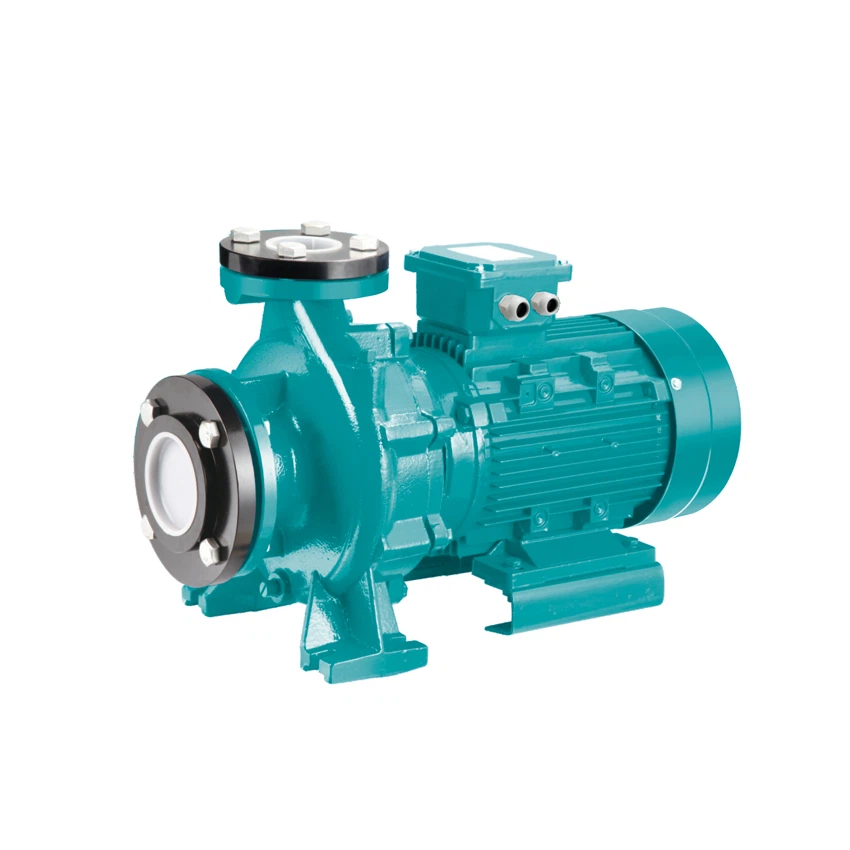
Capacity and Performance
When it comes to capacity and performance, regular centrifugal pumps generally have a higher flow rate and can handle larger volumes of fluid compared to portable centrifugal pumps. This is because they're designed for continuous, high-volume pumping applications.
Regular centrifugal pumps are often used in industries such as oil and gas, chemical processing, and water supply. They can pump large amounts of fluid over long distances and at high pressures. Portable centrifugal pumps, while they may not have the same high capacity as regular pumps, are still capable of handling a wide range of applications. They're commonly used for tasks like draining flooded basements, irrigating small fields, and transferring water from one container to another.
Cost
Cost is also an important factor to consider when comparing portable and regular centrifugal pumps. Portable centrifugal pumps are generally less expensive than regular centrifugal pumps. This is because they're smaller, use less material, and have simpler designs.
If you're on a tight budget or only need a pump for occasional use, a portable centrifugal pump might be the more cost-effective option. However, if you need a pump for a large-scale, continuous operation, you'll likely need to invest in a regular centrifugal pump, which can be more expensive but will provide better long-term performance.
Applications
The applications of portable and regular centrifugal pumps also differ. Portable centrifugal pumps are commonly used in residential, commercial, and light industrial settings. Some of the typical applications include:
- Flood control: Quickly removing water from flooded basements or low-lying areas.
- Irrigation: Watering small gardens, lawns, or agricultural fields.
- Water transfer: Moving water from one tank or container to another.
- Construction sites: Pumping water from excavation sites or for concrete mixing.
Regular centrifugal pumps, on the other hand, are used in more heavy-duty industrial applications, such as:
- Oil and gas industry: Transferring crude oil, refined products, and other fluids in pipelines and refineries.
- Chemical processing: Pumping chemicals and solvents in manufacturing plants.
- Power generation: Cooling water circulation in power plants.
- Water treatment: Moving water through treatment processes in water treatment facilities.
Types of Portable Centrifugal Pumps
There are several types of portable centrifugal pumps available on the market. Here are a few examples:
- Centrifugal Trash Pump: This type of pump is designed to handle dirty water and debris. It's commonly used for draining flooded areas with a lot of sediment or for pumping water from construction sites.
- Stainless Centrifugal Pump: Made from stainless steel, this pump is resistant to corrosion and is suitable for pumping clean water, chemicals, and other corrosive fluids.
- 1 2 Hp Centrifugal Pump: With a 1 or 2 horsepower motor, this pump is a popular choice for small-scale applications, such as residential irrigation or water transfer.
Conclusion
In conclusion, while both portable and regular centrifugal pumps operate on the same basic principle, they have distinct differences in terms of mobility, power source, capacity, performance, cost, and applications. When choosing between the two, it's important to consider your specific needs and requirements.
If you need a pump that's easy to move around, can be used in areas without electricity, and is suitable for occasional or light-duty applications, a portable centrifugal pump is the way to go. On the other hand, if you need a pump for continuous, high-volume pumping in a fixed location with a reliable power supply, a regular centrifugal pump is the better choice.
If you're interested in purchasing a portable centrifugal pump or have any questions about our products, feel free to reach out to us. We're here to help you find the right pump for your needs and can provide you with all the information you need to make an informed decision.
References
- "Centrifugal Pumps: Theory, Design, and Application" by Igor J. Karassik et al.
- "Pump Handbook" by Igor J. Karassik et al.
- Manufacturer's specifications and technical documentation for portable and regular centrifugal pumps.
Send Inquiry