



What is the power source for a centrifugal trash pump?
Nov 13, 2025
Leave a message
Hey there! As a supplier of centrifugal trash pumps, I often get asked about what powers these bad boys. Well, let's dive right into it and explore the different power sources for centrifugal trash pumps.
Electric Power
One of the most common power sources for centrifugal trash pumps is electricity. Electric - powered centrifugal trash pumps are great for a lot of reasons. First off, they're relatively quiet compared to some other options. If you're working in an area where noise is a concern, like a residential neighborhood or an indoor space, an electric pump is a solid choice.
They're also pretty easy to operate. You just plug them in, and they're ready to go. There's no need to mess around with fuel, oil changes, or spark plugs like you do with some other power sources. And because they don't have an internal combustion engine, there are fewer moving parts, which means less maintenance in the long run.
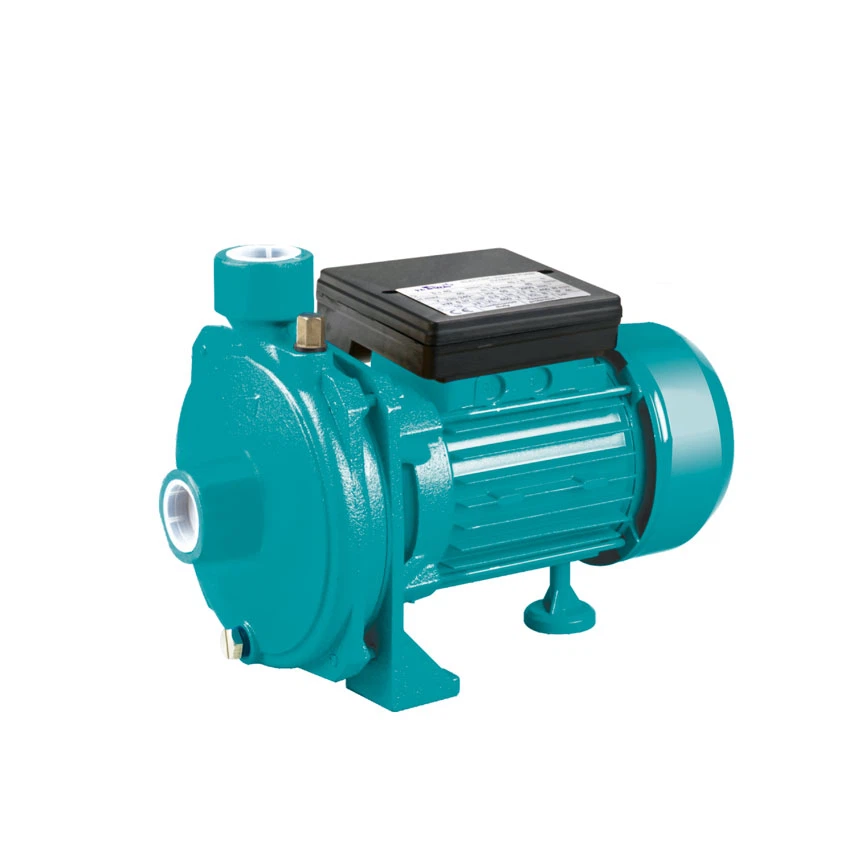
We offer a range of electric centrifugal trash pumps, like the Electric Centrifugal Water Pump. These pumps are designed to handle water with some debris in it, making them perfect for draining flooded basements, construction sites, or agricultural applications.
Another great thing about electric pumps is that they can be very energy - efficient. They convert a high percentage of the electrical energy they consume into mechanical energy to move the water. However, they do require a reliable source of electricity. If you're working in a remote area without access to a power grid, you'll need to use a generator, which adds an extra layer of complexity and cost.
We also have 110v Centrifugal Pump options. These are convenient for smaller jobs or for use in areas where standard household electrical outlets are available. They're not as powerful as some of the larger pumps, but they get the job done for light - duty tasks.
Diesel Power
Diesel - powered centrifugal trash pumps are a popular choice for heavy - duty applications. Diesel engines are known for their high torque, which means they can handle tough jobs like pumping large volumes of water with a lot of debris. They're also very reliable and can run for long periods without overheating.
One of the big advantages of diesel pumps is their portability. You don't need to be near an electrical outlet, so you can use them in remote locations like mines, quarries, or large construction sites. Diesel fuel is also widely available, so you can easily refuel your pump when needed.

However, diesel pumps do have some drawbacks. They're louder than electric pumps, so they might not be suitable for noise - sensitive areas. They also require regular maintenance, including oil changes, filter replacements, and fuel system checks. And let's not forget about the emissions. Diesel engines produce more pollutants than electric motors, which can be a concern in some environmental regulations.
Gasoline Power
Gasoline - powered centrifugal trash pumps are a middle - ground option between electric and diesel pumps. They're more portable than electric pumps since you don't need an electrical connection, but they're generally less powerful than diesel pumps.
Gasoline engines are relatively easy to start, especially compared to diesel engines in cold weather. They're also less expensive to purchase than diesel pumps, which makes them a good choice for small businesses or homeowners who only need to use the pump occasionally.
We have a variety of gasoline - powered centrifugal trash pumps in our inventory. These pumps are great for tasks like draining small ponds, cleaning out swimming pools, or removing water from small construction sites.
But like diesel pumps, gasoline pumps require regular maintenance. They also have a shorter lifespan compared to diesel engines in some cases. And gasoline is more volatile than diesel, so you need to be careful when storing and handling it.
Hydraulic Power
Hydraulic - powered centrifugal trash pumps are less common but have their own unique advantages. These pumps are powered by a hydraulic system, which can be driven by a variety of sources, such as a tractor's power take - off (PTO) or a hydraulic power unit.
The main advantage of hydraulic pumps is their flexibility. They can be easily integrated into existing hydraulic systems, which makes them a great choice for agricultural and industrial applications. For example, if you have a tractor with a PTO, you can use it to power a hydraulic trash pump for irrigation or drainage on your farm.
Hydraulic pumps are also very efficient and can handle high - pressure applications. However, they require a hydraulic system to operate, which can be complex and expensive to set up. And if there are any problems with the hydraulic system, it can be difficult and costly to repair.
Solar Power
In recent years, solar - powered centrifugal trash pumps have started to gain popularity. These pumps use solar panels to convert sunlight into electricity, which is then used to power the pump.
Solar pumps are extremely environmentally friendly since they produce zero emissions. They're also very cost - effective in the long run, especially in areas with a lot of sunlight. Once you've installed the solar panels, the fuel (sunlight) is free.
They're great for remote locations where access to electricity or fuel is limited. For example, in rural areas or developing countries, solar - powered pumps can be used for water supply, irrigation, or drainage.
However, solar pumps do have some limitations. They rely on sunlight, so they won't work at night or on cloudy days without a battery storage system. And the initial cost of installing solar panels can be quite high.
Choosing the Right Power Source
So, how do you choose the right power source for your centrifugal trash pump? Well, it depends on a few factors.
First, consider the location where you'll be using the pump. If you're in a remote area without access to electricity, a diesel, gasoline, or solar - powered pump might be the best option. If you're working in an area with noise restrictions or easy access to an electrical outlet, an electric pump could be the way to go.
Next, think about the size and type of the job. For small, light - duty tasks, an electric or gasoline - powered pump might be sufficient. But for large - scale, heavy - duty jobs, a diesel or hydraulic pump is probably a better choice.
Finally, consider your budget. Electric pumps are generally the most affordable to purchase and operate, while diesel and hydraulic pumps can be more expensive upfront but might be more cost - effective in the long run for heavy - duty use.
We also offer Stainless Centrifugal Pump options, which are made of high - quality stainless steel. These pumps are resistant to corrosion, making them suitable for pumping water with chemicals or in harsh environments.
If you're still not sure which power source is right for you, don't hesitate to reach out to us. Our team of experts can help you choose the perfect centrifugal trash pump for your needs. Whether you're a professional contractor, a farmer, or a homeowner, we have the right pump for you. Contact us today to start the procurement process and let's find the best solution for your pumping needs.
References
- "Centrifugal Pump Handbook" by Igor J. Karassik et al.
- "Pump Engineering" by Heinz P. Bloch.
- Various industry reports and technical documents on centrifugal trash pumps.
Send Inquiry