



What is the vibration damping of vibration pumps?
Aug 01, 2025
Leave a message
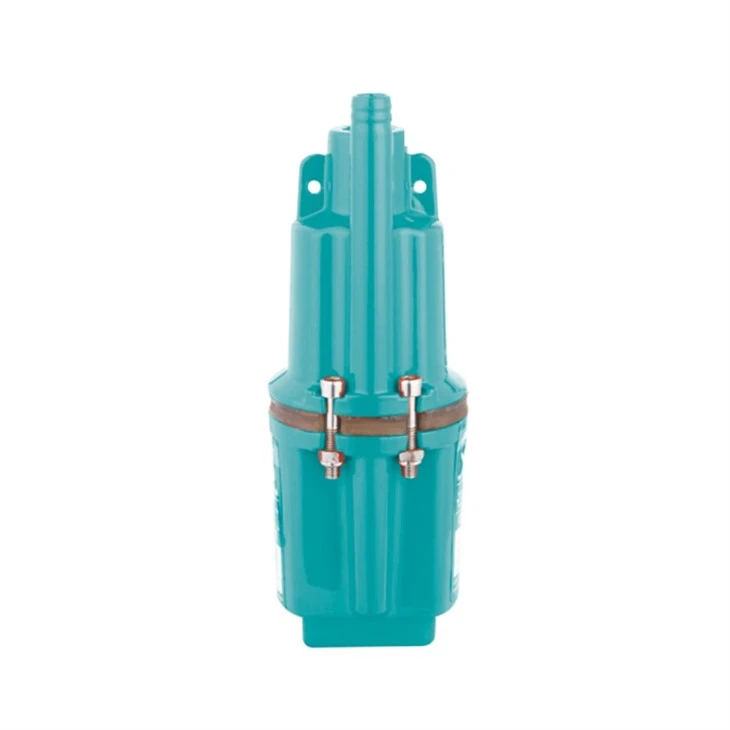
As a supplier of vibration pumps, I've often encountered inquiries about the concept of vibration damping in these essential devices. Vibration pumps are widely used in various industries, from domestic water supply to industrial applications, due to their simplicity, efficiency, and relatively low cost. However, the issue of vibration can be a significant concern, both in terms of the pump's performance and its surrounding environment. In this blog, I'll delve into the details of vibration damping in vibration pumps, exploring its importance, mechanisms, and practical applications.
Understanding Vibration in Vibration Pumps
Before we discuss vibration damping, it's crucial to understand why vibration occurs in vibration pumps. These pumps operate on the principle of converting electrical energy into mechanical energy, which then creates a vibrating motion to move fluids. The vibrating mechanism typically consists of an electromagnet and a diaphragm or piston. When an alternating current is applied to the electromagnet, it creates a magnetic field that attracts and repels the diaphragm or piston, causing it to vibrate.
This vibration is the driving force behind the pump's operation, but it also generates several challenges. Firstly, excessive vibration can lead to increased wear and tear on the pump's components, reducing its lifespan and reliability. Secondly, it can cause noise pollution, which can be a nuisance in both residential and industrial settings. Finally, vibration can also affect the performance of the pump, leading to reduced flow rates and efficiency.
The Importance of Vibration Damping
Vibration damping is the process of reducing or controlling the amplitude of vibration in a system. In the context of vibration pumps, damping is essential for several reasons.
Enhanced Durability: By reducing the amplitude of vibration, damping helps to minimize the stress and strain on the pump's components. This, in turn, reduces the risk of premature failure and extends the pump's lifespan. For example, a well-damped vibration pump will experience less wear on its diaphragm or piston, leading to fewer breakdowns and lower maintenance costs.
Noise Reduction: One of the most noticeable benefits of vibration damping is the reduction of noise. Excessive vibration can generate loud noises, which can be a significant problem in quiet environments such as homes or hospitals. By damping the vibration, the noise level can be significantly reduced, making the pump more suitable for a wider range of applications.
Improved Performance: Vibration can also affect the performance of the pump. Excessive vibration can cause the pump to lose its prime, leading to reduced flow rates and efficiency. By damping the vibration, the pump can operate more smoothly, ensuring consistent performance and reliable operation.
Mechanisms of Vibration Damping
There are several mechanisms that can be used to dampen vibration in vibration pumps. These mechanisms can be broadly classified into two categories: passive damping and active damping.
Passive Damping: Passive damping is the most common method of vibration damping in vibration pumps. It involves the use of materials or structures that absorb or dissipate the energy of vibration. Some common passive damping techniques include:
- Rubber Mounts: Rubber mounts are one of the simplest and most effective ways to dampen vibration. They are typically made of high-quality rubber materials that have excellent vibration absorption properties. By mounting the pump on rubber mounts, the vibration is transferred from the pump to the mounts, where it is absorbed and dissipated.
- Silent Blocks: Silent blocks are similar to rubber mounts but are designed to provide more advanced vibration damping. They are typically made of a combination of rubber and metal, which provides both flexibility and strength. Silent blocks are often used in high-performance vibration pumps to reduce vibration and noise.
- Damping Fluids: Damping fluids are another type of passive damping mechanism. They are typically used in hydraulic or pneumatic systems to absorb the energy of vibration. Damping fluids work by converting the kinetic energy of vibration into heat energy, which is then dissipated into the surrounding environment.
Active Damping: Active damping is a more advanced method of vibration damping that involves the use of sensors and actuators to actively control the vibration. Active damping systems typically consist of a sensor that measures the vibration, a controller that processes the sensor data, and an actuator that applies a counteracting force to the vibration. Some common active damping techniques include:
- Electromagnetic Actuators: Electromagnetic actuators are often used in active damping systems to apply a counteracting force to the vibration. They work by using an electromagnetic field to generate a force that opposes the vibration. Electromagnetic actuators are typically used in high-precision applications where passive damping techniques are not sufficient.
- Piezoelectric Actuators: Piezoelectric actuators are another type of active damping actuator. They work by using the piezoelectric effect to generate a force that opposes the vibration. Piezoelectric actuators are typically used in applications where high-frequency vibration needs to be controlled.
Practical Applications of Vibration Damping in Vibration Pumps
Vibration damping is used in a wide range of applications where vibration pumps are used. Some common applications include:
- Domestic Water Supply: In domestic water supply systems, vibration pumps are often used to provide water pressure. However, the vibration generated by these pumps can be a nuisance, especially in quiet environments. By using vibration damping techniques, the noise level can be significantly reduced, making the pumps more suitable for domestic use.
- Industrial Applications: In industrial applications, vibration pumps are used in a variety of processes, such as chemical processing, food and beverage production, and pharmaceutical manufacturing. In these applications, vibration can cause problems such as product contamination, equipment damage, and reduced productivity. By using vibration damping techniques, these problems can be minimized, ensuring reliable and efficient operation.
- Medical Equipment: In medical equipment, vibration pumps are used in a variety of applications, such as blood pumps, dialysis machines, and respiratory equipment. In these applications, vibration can cause discomfort to the patient and affect the accuracy of the equipment. By using vibration damping techniques, the vibration can be reduced, ensuring a more comfortable and accurate experience for the patient.
Conclusion
Vibration damping is an essential aspect of vibration pump design and operation. By reducing the amplitude of vibration, damping helps to enhance the durability, reduce the noise, and improve the performance of the pump. There are several mechanisms that can be used to dampen vibration, including passive damping and active damping. These mechanisms can be used in a wide range of applications, from domestic water supply to industrial and medical equipment.
If you're interested in learning more about vibration pumps or need help with vibration damping, please visit our website Vibration Pumps. Our team of experts is always available to answer your questions and provide you with the best solutions for your needs. Whether you're looking for a standard vibration pump or a custom-designed solution, we can help you find the right product for your application. Contact us today to start the procurement and negotiation process.

References
- Meirovitch, L. (2001). Elements of Vibration Analysis. McGraw-Hill.
- Rao, S. S. (2011). Mechanical Vibrations. Pearson.
- Inman, D. J. (2014). Engineering Vibration. Prentice Hall.
Send Inquiry