



How to choose the right shaft material for a standard centrifugal pump?
Oct 29, 2025
Leave a message
Hey there! As a supplier of standard centrifugal pumps, I've seen firsthand how crucial it is to choose the right shaft material. It's not just about making the pump work; it's about making it work well and last a long time. So, let's dive into how you can pick the perfect shaft material for your standard centrifugal pump.
Understanding the Role of the Shaft in a Centrifugal Pump
First off, let's talk about what the shaft does in a centrifugal pump. The shaft is like the backbone of the pump. It transfers power from the motor to the impeller, which is the part that actually moves the fluid. Without a strong and reliable shaft, the pump wouldn't be able to function properly. It has to withstand a lot of stress, including bending, torsion, and axial loads. So, choosing the right material is essential to ensure the pump's performance and longevity.
Factors to Consider When Choosing Shaft Material
1. Chemical Compatibility
One of the most important factors to consider is the chemical compatibility of the shaft material with the fluid being pumped. Different fluids can be corrosive or abrasive, and if the shaft material isn't resistant to these properties, it can lead to premature failure. For example, if you're pumping water that contains a lot of chlorine, you'll need a shaft material that's resistant to corrosion from chlorine. Stainless steel is a popular choice in many cases because it's resistant to a wide range of chemicals.
2. Mechanical Properties
The mechanical properties of the shaft material are also crucial. You need a material that has high strength and good toughness. Strength is important because the shaft has to withstand the loads and stresses it experiences during operation. Toughness is important because it allows the shaft to absorb energy without breaking. For high - speed pumps, materials with high fatigue strength are also necessary, as they can withstand repeated loading and unloading cycles without failing.
3. Cost
Cost is always a consideration. You don't want to overspend on a shaft material that's more than what you need, but at the same time, you can't cut corners and choose a cheap material that will fail quickly. It's all about finding the right balance between cost and performance. Sometimes, a slightly more expensive material can save you money in the long run by reducing maintenance and replacement costs.
4. Temperature and Pressure
The operating temperature and pressure of the pump also play a role in material selection. High temperatures can affect the mechanical properties of the shaft material, and some materials may become brittle or lose their strength at elevated temperatures. Similarly, high pressures can put additional stress on the shaft, so you need a material that can handle these conditions.
Common Shaft Materials for Centrifugal Pumps
1. Carbon Steel
Carbon steel is a common and relatively inexpensive option. It has good strength and is easy to machine. However, it's not very resistant to corrosion, so it's usually used in applications where the fluid being pumped is not corrosive, such as in some water - pumping applications.
2. Stainless Steel
Stainless steel is a popular choice for many centrifugal pump applications. It comes in different grades, such as 304 and 316. Grade 304 is a general - purpose stainless steel that offers good corrosion resistance in many environments. Grade 316 is more resistant to corrosion, especially in chloride - rich environments, making it suitable for pumping seawater or other fluids with high chloride content.
3. Alloy Steel
Alloy steel is often used in high - performance applications. It can be heat - treated to achieve high strength and toughness. Alloy steels can be designed to have specific properties to meet the requirements of different pumps, such as high - speed or high - pressure pumps.
4. Titanium
Titanium is a very strong and lightweight material. It has excellent corrosion resistance, especially in highly corrosive environments. However, it's also quite expensive, so it's usually used in specialized applications where its unique properties are really needed, such as in the chemical or aerospace industries.
Case Studies
Let's take a look at a couple of case studies to see how the choice of shaft material can impact the performance of a centrifugal pump.
Case 1: Water Treatment Plant
In a water treatment plant, they were using a centrifugal pump to pump water that contained a small amount of chlorine. Initially, they used a carbon steel shaft, but they noticed that the shaft started to corrode after a few months of operation. They then switched to a 304 stainless steel shaft, and the corrosion problem was solved. The pump has been running smoothly ever since, with no signs of shaft failure.
Case 2: Oil Refinery
An oil refinery was using a high - pressure centrifugal pump to transfer crude oil. The original shaft material was a standard alloy steel, but it couldn't handle the high - pressure and high - temperature conditions. They upgraded to a specialized high - strength alloy steel, which was heat - treated to improve its mechanical properties. After the upgrade, the pump's performance improved significantly, and the maintenance frequency was reduced.
Our Product Range
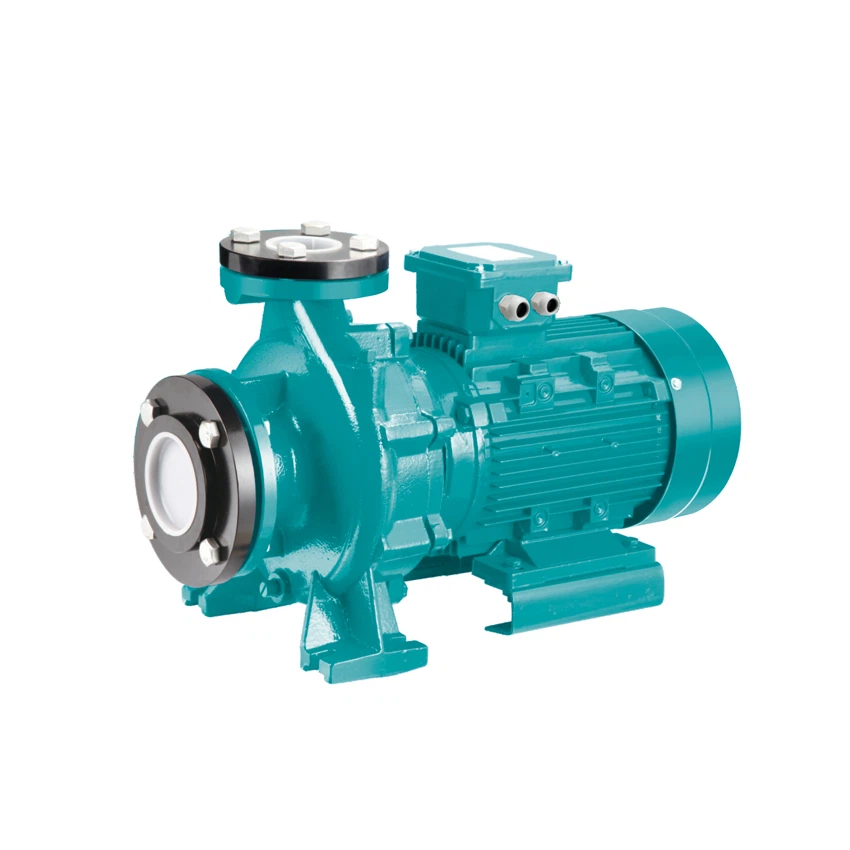
As a standard centrifugal pump supplier, we offer a wide range of pumps with different shaft materials to meet your specific needs. Whether you need a 1 2 Hp Centrifugal Pump for a small - scale application or a Centrifugal Trash Pump - factory for heavy - duty work, we've got you covered. We also have Portable Centrifugal Pump options for those who need mobility.

Conclusion
Choosing the right shaft material for a standard centrifugal pump is a critical decision that can have a big impact on the pump's performance and lifespan. By considering factors like chemical compatibility, mechanical properties, cost, temperature, and pressure, you can make an informed choice. And if you're in the market for a centrifugal pump, don't hesitate to reach out to us. We're here to help you find the perfect pump with the right shaft material for your application. Whether you're a small business or a large industrial operation, we have the expertise and products to meet your needs. So, let's start a conversation and see how we can work together to get you the best centrifugal pump solution.
References
- "Pump Handbook" by Igor J. Karassik et al.
- "Mechanical Design of Machine Elements and Machines: A Failure - Prevention Perspective" by Robert C. Juvinall and Kurt M. Marshek.
Send Inquiry