



Centrifugal Trash Pump-factory
Taizhou Sunlight Electric Machinery & Pump Industry CO.,Ltd was established in 1995 , which specialized in research, development and manufaturing peripheral pump,centrifugal pump,Jet pump,submersible pump,deep well submersible pump,booster pump , air compressor &mold etcs.Construction area 50,000 square meters ,300 employees ,Sale 900,000 pcs all kinds of water pump &150,000pcs air compressor in 2022.
Why Choose Us
Our factory
Construction area 50,000 square meters ,300 employees ,Sale 900,000 pcs all kinds of water pump &150,000pcs air compressor in 2022.
Our certification
Our company has past management system authentication ISO9001-2015,produts have won the CE certification,CCC authentication.
Sales market
The products are far sold to countries such as South America,Eastern Europe,Asia etc market.
Our products
We manufaturing peripheral pump,centrifugal pump,Jet pump,submersible pump,deep well submersible pump,booster pump , air compressor &mold etcs.
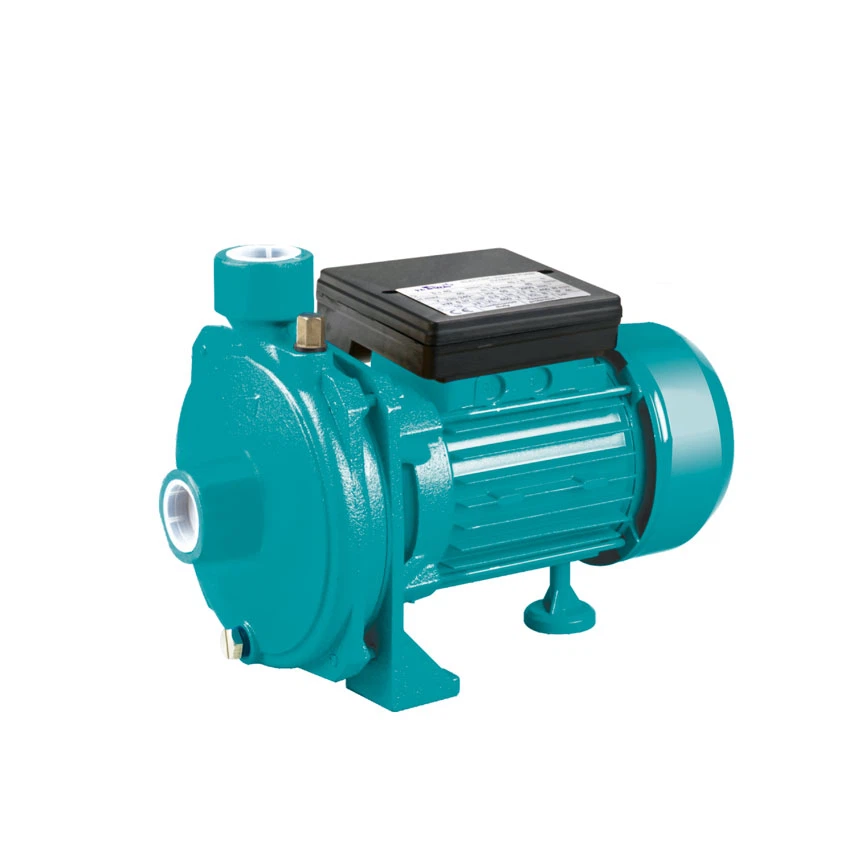
·Centrifugal pump
·Liquid pumped up to 60℃
·Clean water with little impurities, non-corrosive liquid
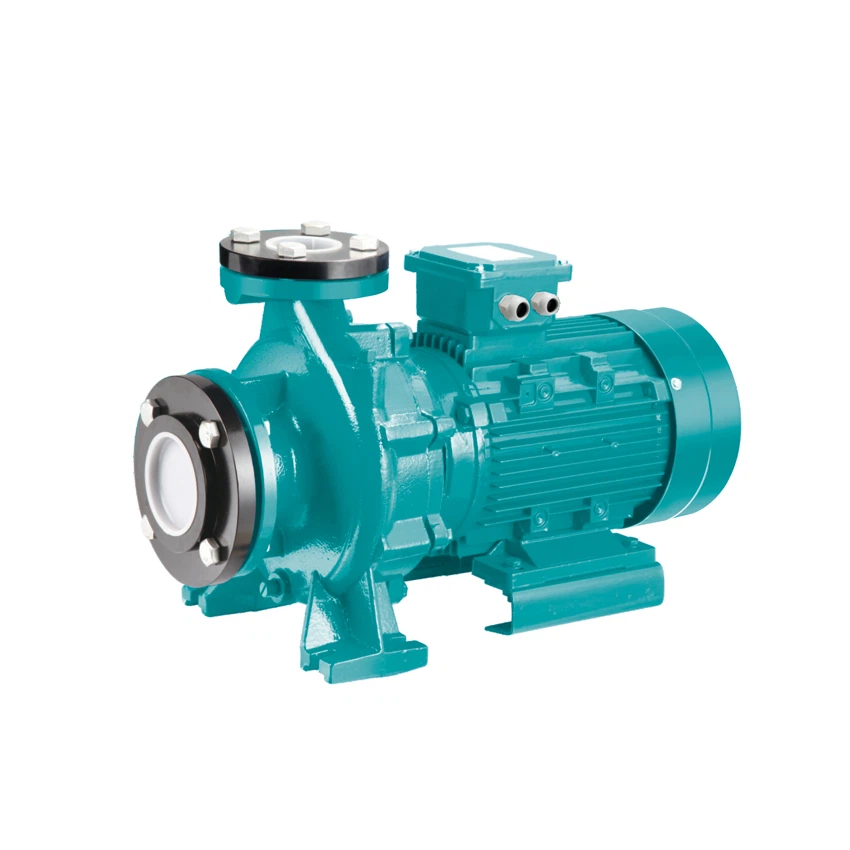
.Centrifugal pump
·Liquid pumped up to 60℃
·Clean water with little impurities, non-corrosive liquid relative high flow rate, pump water from lake, river and well
·Medium and low head can meet the demands of various industrial and agricultural fields.
Electric Centrifugal Water Pump
·Centrifugal pump
·Liquid pumped up to 60℃
·Clean water with little impurities, non-corrosive liquid
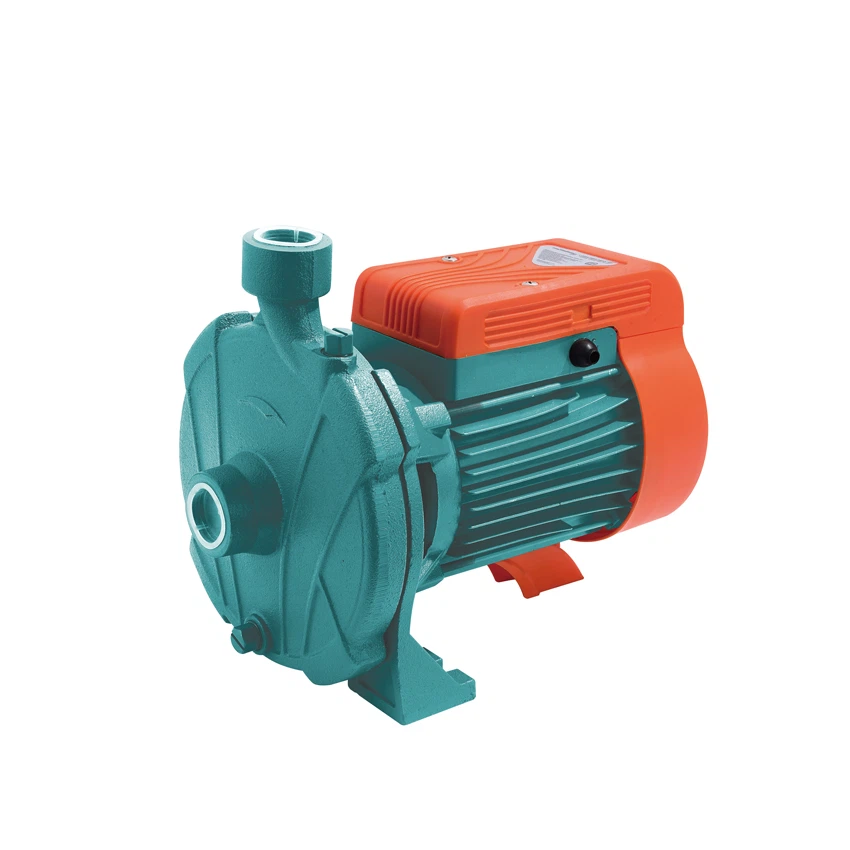
·Centrifugal pump
·Liquid pumped up to 60℃
·Clean water with little impurities, non-corrosive liquid

·Centrifugal pump
·Liquid pumped up to 60℃
·Clean water with little impurities, non-corrosive liquid relative high flow rate, pump water from lake,river and well
·Medium and low head can meet the demands of various industrial and agricultural fields.

·Centrifugal pump
·Liquid pumped up to 60℃
·Clean water with little impurities, non-corrosive liquid

The standard (non-self-priming) centrifugal pump is the most commonly used type of centrifugal pump. A standard centrifugal pump has a higher yield than a self-priming pump. When this pump is started, the suction pipe and the pump body must be completely filled with water, because the pump is unable to evacuate air. The pump has the effect of increasing pressure.

·Centrifugal pump
·Liquid pumped up to 60℃
·Clean water with little impurities, non-corrosive liquid relative high flow rate, pump water from lake, river and well
·Medium and low head can meet the demands of various industrial and agricultural fields.
What is Centrifugal Trash Pump
Centrifugal trash pumps are the most common type of trash pumps used in many applications. They work by converting rotational energy from an impeller into kinetic energy, which is used to move the fluid and solids. Centrifugal trash pumps are typically powered by gasoline or diesel engines and are capable of handling large volumes of water and debris. They are commonly used in construction sites, mining operations, agriculture, and municipal applications for dewatering, flood control, and waste management.
Effective water management
Construction sites often encounter excessive water buildup, which can hinder progress and pose safety risks. This water buildup can be related to rain, new construction, or an accidental pipe burst. A pump will quickly remove standing water, keeping the site dry and workable.
Debris removal
From gravel and sand to leaves and twigs, trash pumps effortlessly clear debris, preventing clogs and maintaining productivity. This is especially crucial during excavation or dewatering processes.
Pollutant extraction
Construction sites may contain oil, chemicals, or sediment contaminants. Trash pumps efficiently remove these pollutants, ensuring compliance with environmental regulations and promoting a safer work environment.
Versatility
Trash pumps can handle a wide range of materials, from clean water to heavily debris-laden water.
Robustness
Designed for heavy-duty work, trash pumps are durable and can withstand tough conditions.
Efficiency
Trash pumps can move large volumes of water quickly, making them highly efficient for tasks like flood control.
Syringe pumps
Are used for processing materials that require exact flow amount at exact time intervals. There are two types of syringe pumps: withdrawal pumps remove the fluid and infusion pumps process fluid at highly controlled pressures.
Sanitary pumps
Are used in applications that require a higher level of sanitation such as in food, breweries, and biotech companies. This type of pump can also move slurries and meter solutions. Sanitary pumps offer a variety of pump types and features.
Progressive cavity pumps
Aare used for moving slurries and fluids with suspended solids. The fluids are moved from one side of the pump (suction) to another side (discharge) and then to a storage tank or through a pipeline. Cavity pumps can efficiently transfer slower-moving viscous materials and fluids from these pumps can be moved in a continuous flow. They can be used in applications requiring greater sterility and sanitation since they can be easily cleaned.
Positive displacement pumps
Use pistons, gears, diaphragms, and other devices to pump fluids through. They are also moved by a vacuum created when the fluid is pumped into a fixed cavity and then pumped out again, creating a vacuum that sucks in other fluids. Displacement pumps are best used on viscous liquids that are under great pressure. They have many applications and offer a variety of features.
Corrosion resistant pump
This pump utilizes recessed impellers to handle extra solids while minimizing abrasive wear. The pump has specialty coatings for corrosion resistance, which minimizes abrasive wear and increases the pump's lifetime. Our submersible pumps are fortified by stainless steel (not fabricated sheet metal, like less expensive pumps).
Agitator slurry pump
This pump utilizes kinetic energy to agitate the slurry into a state that's fluid enough for transportation. Without this energy, the pump would only transport water, leaving slurry to accumulate around the intake, eventually starving the pump. The mechanical agitator enables it to transfer stubborn elements such as settled mud, silt, slurry, and sand. Use this in industrial settings to pump heavier concentrations and larger quantities of sediment.
Solids handling pump
This pump can transfer moderate to heavy suspended solids such as sewage, debris, and slurry. This pump is popular for use in lagoon applications (animal & vegetable waste, wastewater) and trash applications (where solid buildup is too substantial for de-watering pumps). It can pass up to 3" size solids, making it a popular sewage pump.
Dewatering pump
This pump can transport water or water with light suspended solids. Corrosion-resistant coatings and float switch/control accessories are available for add-on. Especially useful for waterfront properties, flooded mines, and construction sites, these pumps provide strength, longevity, and efficiency.
Application of Centrifugal Trash Pump
Construction: Dewatering excavations, canals and sumps; bypassing sewers and bodies of water; groundwater dewatering; water supply from wells or canals; hosing down concrete casings; extended sumping; wellpoint dewatering
Civil engineering: Sewage pumping; flood drainage; fire fighting; recovery of hazardous liquids
Waste treatment: Sewer bypasses; pumping polluted hot or corrosive wastewater containing sand, mud or solids in suspension; dosing neutralizing liquids; pumping out settled sludge
Mining: Wash-down operations; tailings; high head/high volume applications
Agricultural: Surface irrigation; liquid manure oxygenation; transfer and spraying fertilizers or manure
Industrial: Transfer of neutral, acid or alkali clean or dirty liquids containing sand, mud or solids in suspension; low viscosity petroleum products
Components of Centrifugal Trash Pump
Engine
The engine is the power core of a trash pump, converting fuel into mechanical energy that drives the pump's operation. These engines can be either gasoline-powered or diesel-powered, depending on the specific needs and conditions of the work environment. For example, gasoline engines are typically used for lighter, portable trash pumps, whereas diesel engines are chosen for larger, more demanding applications due to their durability and higher torque output. The engine's capacity and type directly impact the efficiency and effectiveness of the pump in various operational scenarios.
Impeller
The impeller is a vital component of any pump, and in the case of a trash pump, it is specially engineered to handle solids. Typically made from high-tensile metal or other durable materials, the impeller features large, open channels that allow debris-laden water to pass through without clogging. The impeller's design enables it to create a high flow rate, essential for moving thick, solid-heavy water rapidly. The quality and resistance of the impeller to abrasion and wear can significantly influence the lifespan and maintenance frequency of the trash pump.
Suction hose
The suction hose of a trash pump is another critical component designed robustly to endure rough and abrasive materials. Typically constructed from reinforced synthetic rubber or plastic, the hose must be tough enough to prevent collapse under the suction pressure while remaining flexible enough to be maneuvered over and around obstacles at a site. The diameter of the suction hose plays a crucial role in determining the volume of water the pump can handle. Larger diameters allow for greater volumes, adding to the pump's efficiency in high-demand situations such as rapid dewatering during floods or severe rainfalls.
How to Maintain Centrifugal Trash Pump
Secure the pump and keep it out of the path of large, mobile equipment.
Locate the pump as close as possible to the liquid to keep suction lift to a minimum. The shorter the distance a pump has to move liquid, the more volume it will deliver. Longer hoses produce more friction and less volume.
Check the suction hose for leaks and secure all fittings. Many pump failures are due to a faulty suction hose connection.
Use the proper hoses. Reinforced hose on the suction side will prevent collapse. Flexible hose is recommended on the discharge side.
With wet-prime pumps, prime the pump before starting the engine. Even a tiny pinhole in a hose could cause the pump not to prime. When the discharge hose is pinched or clogged, air cannot escape and the pump will not prime.
Only pump liquids for which the pump is designed.
Use the proper strainer to prevent clogging and damage.
Drain the pump before freezing weather.
Check the suction strainer regularly and keep it clean.
Pumps should be run at the specified rpm. Higher rpms only provide temporary performance advantages until the engine is damaged.
Monitor the pump while it's in operation.
Trash pumps are useful when the liquid being pumped contains solids that a water pump can't handle - and that means any solids, since water pumps are designed to move clear liquids. Water pumps move liquid at higher pressure than trash pumps. But if you try to use a water pump to move murky water or water that contains pebbles or other solids, it will likely jam.


During trash pumping, dirty water is sucked in, separated from contaminants, then emitted as filtered water. Depending on the type of trash pump you're using, you can separate trash in different ways. Diaphragm pumps create an air vacuum, while portable trash pumps use centrifugal force to create an area of low pressure that draws water into the pump. During the ejection process, liquid is sucked through an impeller to remove solids. Trash pumps can be powered by diesel, petrol, or electricity.
A significant difference exists between using a trash pump and a high-pressure pump when supplying water to large sprinklers. Trash pumps are designed for high flow and low pressure. High-pressure pumps are designed to deliver water at higher pressures.
For example, a 2-inch trash pump pumps 50 gpm at 35 psi. At the same time, the 2-inch high-pressure pump pumps 50 gpm at 65 psi. For your large sprinklers to perform at their best, flow needs to be delivered to the sprinklers at high pressure.
How Trash Pumps are Different from Standard Pumps
The impeller veins are deeper and the discharge openings are much larger than similar pumps that are not designed to be trash pumps. Consequently, these pumps are able to move fluids with solids that would clog up standard centrifugal pumps. Not only can they move fluids containing too many solids for other pumps, they can also move them at a high rate of speed.
While many pumps grind up the solid materials that enter the pump, trash pumps do not. In addition to the deep impeller veins and large discharge openings, these pumps feature a full pump housing. These pumps can be made from a variety of materials, including: cast iron, stainless steel, steel and aluminum. Roll cages are also common standard equipment on most trash pumps.
There's another variation called a semi trash pump, which does not have as large of a discharge opening as a trash pump. Due to the smaller opening, they cannot handle larger solids, nor can they handle a high density of solids.
These kind of pumps are the pump of choice for rigorous pumping large or highly concentrated solids, especially on a daily basis.
Some manufacturers do not always differentiate between trash pumps and semi trash pumps, so it is important to work with a company that provides comprehensive customer service.
A strainer is often used in addition to a hose at the inlet of these pumps to keep out solids that are too large for the pump to process.
It would help if you considered friction loss while choosing a trash pump. Small hose sizes will lead to more significant friction loss. Accordingly, you must consider the fluid volume being moved to size the appropriate trash pump. Generally, 3-inch pumps ensure a flow rate of 200 gallons per minute (GPM), while 18-inch pumps can move between 10,000 to 11,000 GPM. Both hose size and volume go hand in hand to achieve the necessary flow rate.
Pump capacity and power
There are different types of trash pumps, including submersible, diaphragm, and centrifugal pumps. Each comes with its unique features, suitable for specific conditions. They also have different pump capacity and power. For example, centrifugal trash pumps can lift fluids to 25 feet, while trailer-mounted trash pumps may lift them as high as 150 feet.
Moreover, other factors play into consideration, such as the volume of water, the nature of debris, and head height. You need a high-capacity pump for larger volumes, abrasive debris, and higher head heights.
Accordingly, trash pumps have different power options. You can choose from electric, gasoline, and diesel trash pumps according to your needs and preferences. Electric pumps are recommended for areas with access to electricity, while the others are preferred for portability and fuel efficiency.
Portability and mobility
Some projects may require mobility as you would need to move it between different job sites to ensure the project's completion. Hence, the size and weight of the trash pumps become a crucial factor. Smaller and more portable trash pumps are available but often have lower capacities. However, they are easy to maneuver and transport.
Some pumps have additional features, such as wheels or handles, to make transportation easier. Larger heavy-duty trash pumps often come with the option to be pulled behind a trailer. Their design also plays a crucial role in its maneuverability.
Durability and build quality
Trash pumps are designed using different materials for different purposes. Common ones include cast iron, stainless steel, aluminum, and plastics or composites. Cast iron trash pumps have increased durability and wear resistance, which is common in heavy-duty units.
Stainless steel plays an essential role in handling corrosive substances. Accordingly, aluminum offers the right balance of strength and portability. Plastic and composite trash pumps are often used in less demanding applications. They are lightweight and may provide resistance to certain chemicals.
Ease of maintenance
Regular maintenance ensures trash pumps operate at peak efficiency, experience fewer breakdowns, and enhance longevity. Accordingly, neglecting its maintenance can lead to increased wear and tear, reduced efficiency, and frequent breakdowns.
Therefore, trash pumps with user-friendly maintenance features should be considered. Most trash pumps have additional features to provide easy access to essential cleaning, inspection, and repair components. It can reduce the time and effort for routine maintenance.
You should also check for availability of replacement parts to ensure less downtime. Accordingly, you must ensure its maintenance activities are laid out in its documentation and user manuals. Some manufacturers provide technical support, tutorials, and online resources to help with the trash pump's maintenance.
Safety features
Trash pumps have different safety features to protect the equipment and the operator. They are necessary to ensure the pump's longevity and prevent accidents. Standard safety features include overload protection, automatic shut-off, and safety switches.
Overload protection helps prevent the motor from burning out when the pump operates beyond its capacity. It allows the pump to avoid overheating or mechanical failures. Automatic shut-offs deactivate the pump when it detects an anomaly, such as the pump running dry, a drop in oil pressure, or overheating.
Accordingly, safety switches function as emergency stop buttons, allowing operators to turn them off during emergencies. They are necessary to prevent equipment damage or accidents. Other safety features include thermal protection, leakage sensors, and ensuring a stable and durable site for installation.
Our company has past management system authentication ISO9001-2015 and carries out the operation strictly according to the ISO9001 quality control system standard and focus on details of each quality.

FAQ
Hot Tags: Centrifugal Trash Pump-factory, China Centrifugal Trash Pump-factory manufacturers, suppliers, factory, centrifugal pump, electric centrifugal water pump, surface pump, 1 5 hp centrifugal water pump, standard centrifugal pump, 110v centrifugal pump
You Might Also Like


Send Inquiry