



How to install a standard centrifugal pump correctly?
Dec 24, 2025
Leave a message
Hey there! As a supplier of standard centrifugal pumps, I've seen firsthand the importance of getting the installation right. A proper installation not only ensures the pump runs smoothly but also extends its lifespan, saving you time and money in the long run. So, let's dive into how to install a standard centrifugal pump correctly.
Pre - Installation Checks
Before you even start unpacking the pump, there are a few things you need to do. First off, make sure you've got all the necessary tools. You'll typically need wrenches, screwdrivers, a level, and maybe a torque wrench for more precise tightening.
Next, check the pump and all its components for any visible damage. Look for cracks, dents, or any signs of wear and tear. If you spot anything, don't hesitate to contact us. We'll sort it out for you.
Also, take a close look at the installation site. It should be a flat, stable surface that can support the weight of the pump and its associated equipment. The area should be well - ventilated to prevent overheating, and there should be enough space around the pump for easy access during maintenance.
Positioning the Pump
Once you've got the site ready, it's time to position the pump. Place the pump on the prepared surface and use a level to ensure it's perfectly horizontal. This is crucial because an unevenly installed pump can cause excessive vibration, which leads to premature wear and tear.
Make sure the pump is located as close as possible to the source of the fluid it will be pumping. This reduces the length of the suction pipe, minimizing the chances of cavitation. Cavitation is when bubbles form in the fluid due to low pressure, and it can seriously damage the pump impeller.
Connecting the Pipes
Now, let's talk about connecting the pipes. You'll have a suction pipe and a discharge pipe. Start with the suction pipe. It should be as short and straight as possible. Avoid using too many bends or elbows, as these can increase the resistance and reduce the pump's efficiency.
When connecting the pipes to the pump, use the appropriate gaskets to ensure a tight seal. Tighten the bolts evenly to prevent leaks. If you're using flexible hoses, make sure they're properly supported to avoid sagging, which can also cause problems.
For the discharge pipe, it should be sized correctly to handle the flow rate of the pump. A pipe that's too small can create excessive pressure, while a pipe that's too large may result in low flow velocity.
Electrical Connections
If your centrifugal pump is electrically powered, electrical connections are a critical step. Before you start, make sure the power supply is turned off. Check the voltage requirements of the pump and ensure that the power source matches.
Connect the pump to the power supply using the appropriate cables. Make sure all connections are secure and insulated to prevent electrical shocks. It's also a good idea to install a circuit breaker or a fuse to protect the pump from electrical overloads.
Priming the Pump
Priming is an important step, especially for pumps that are used to lift fluids from a lower level. Priming involves filling the pump and the suction pipe with the fluid to be pumped. This removes any air from the system, allowing the pump to create the necessary suction.
To prime the pump, open the priming port and pour the fluid into the pump until it's full. Close the priming port tightly and then start the pump. The pump should start pumping the fluid once it's properly primed.
Testing the Pump
After you've completed all the above steps, it's time to test the pump. Turn on the power supply and let the pump run for a few minutes. Listen for any unusual noises, such as rattling or grinding. These could indicate a problem with the installation or a mechanical issue.
Check the pressure gauges on the suction and discharge sides of the pump. The readings should be within the manufacturer's specifications. Also, monitor the flow rate to ensure it's consistent. If you notice any problems during the test, stop the pump immediately and troubleshoot the issue.
Maintenance Tips
Once the pump is up and running, regular maintenance is key to keeping it in good condition. Check the pump regularly for leaks, and replace any worn - out gaskets or seals. Keep the pump and its surroundings clean to prevent the build - up of dirt and debris.
Lubricate the pump bearings as recommended by the manufacturer. This helps reduce friction and extends the life of the bearings. Also, monitor the motor temperature and the vibration levels of the pump. Any significant changes could be a sign of a problem.
Our Product Range
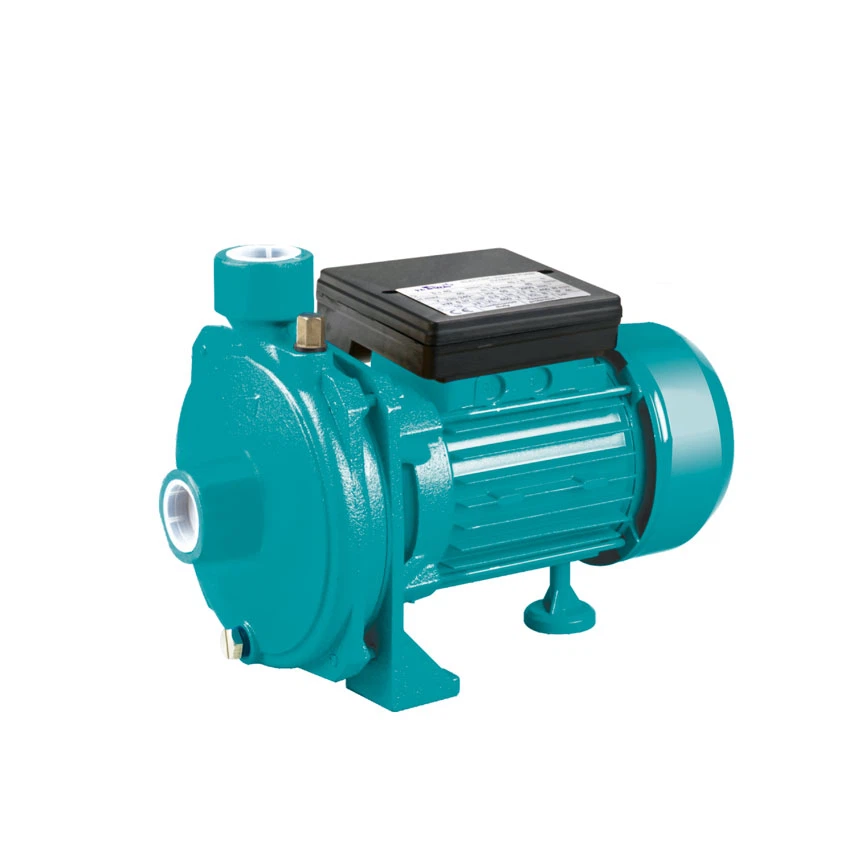
As a supplier, we offer a wide range of centrifugal pumps to meet your specific needs. We have Portable Centrifugal Pump that are great for applications where mobility is required. These pumps are easy to transport and set up, making them ideal for temporary or small - scale projects.
If you're looking for a pump that can handle corrosive fluids, our Stainless Centrifugal Pump is a perfect choice. Made from high - quality stainless steel, these pumps are resistant to rust and corrosion, ensuring a long service life.
We also have another type of Portable Centrifugal Pump with different features and capacities to suit various requirements.

Contact Us for Purchase
If you're in the market for a centrifugal pump or need more information about installation and maintenance, don't hesitate to reach out to us. We're here to help you find the right pump for your application and ensure that it's installed correctly. Whether you're a small business owner or part of a large industrial operation, we've got the expertise and the products to meet your needs.
References
- "Centrifugal Pumps: Design and Application" by Igor J. Karassik
- "Pump Handbook" by Karassik, Messina, Cooper, and Heald
Send Inquiry