



Portable Centrifugal Pump
Taizhou Sunlight Electric Machinery & Pump Industry CO.,Ltd was established in 1995 , which specialized in research, development and manufaturing peripheral pump,centrifugal pump,Jet pump,submersible pump,deep well submersible pump,booster pump , air compressor &mold etcs.Construction area 50,000 square meters ,300 employees ,Sale 900,000 pcs all kinds of water pump &150,000pcs air compressor in 2022.
Why Choose Us
Our factory
Construction area 50,000 square meters ,300 employees ,Sale 900,000 pcs all kinds of water pump &150,000pcs air compressor in 2022.
Our certification
Our company has past management system authentication ISO9001-2015,produts have won the CE certification,CCC authentication.
Sales market
The products are far sold to countries such as South America,Eastern Europe,Asia etc market.
Our products
We manufaturing peripheral pump,centrifugal pump,Jet pump,submersible pump,deep well submersible pump,booster pump , air compressor &mold etcs.

·Centrifugal pump
·Liquid pumped up to 60℃
·Clean water with little impurities, non-corrosive liquid relative high flow rate, pump water from lake,river and well
·Medium and low head can meet the demands of various industrial and agricultural fields.
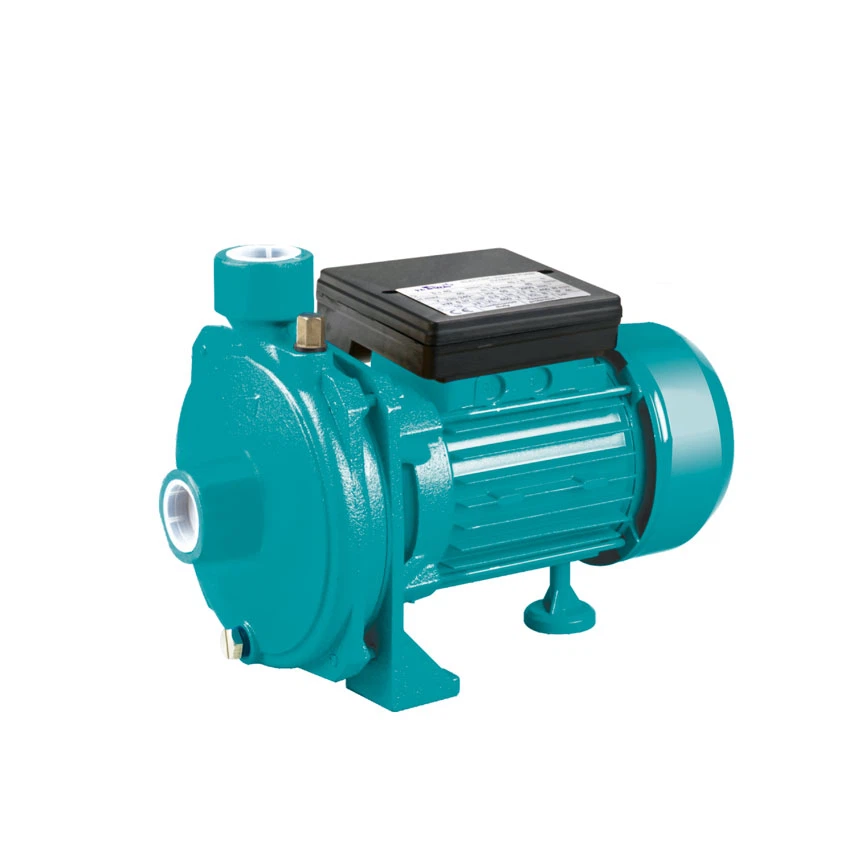
·Centrifugal pump
·Liquid pumped up to 60℃
·Clean water with little impurities, non-corrosive liquid
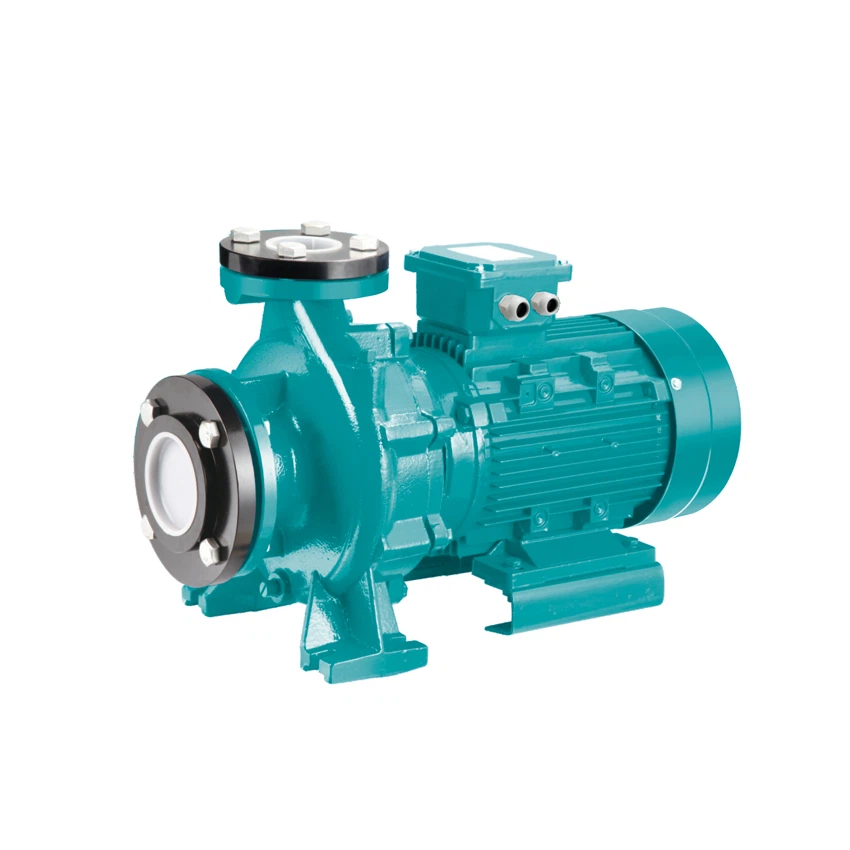
.Centrifugal pump
·Liquid pumped up to 60℃
·Clean water with little impurities, non-corrosive liquid relative high flow rate, pump water from lake, river and well
·Medium and low head can meet the demands of various industrial and agricultural fields.
Electric Centrifugal Water Pump
·Centrifugal pump
·Liquid pumped up to 60℃
·Clean water with little impurities, non-corrosive liquid
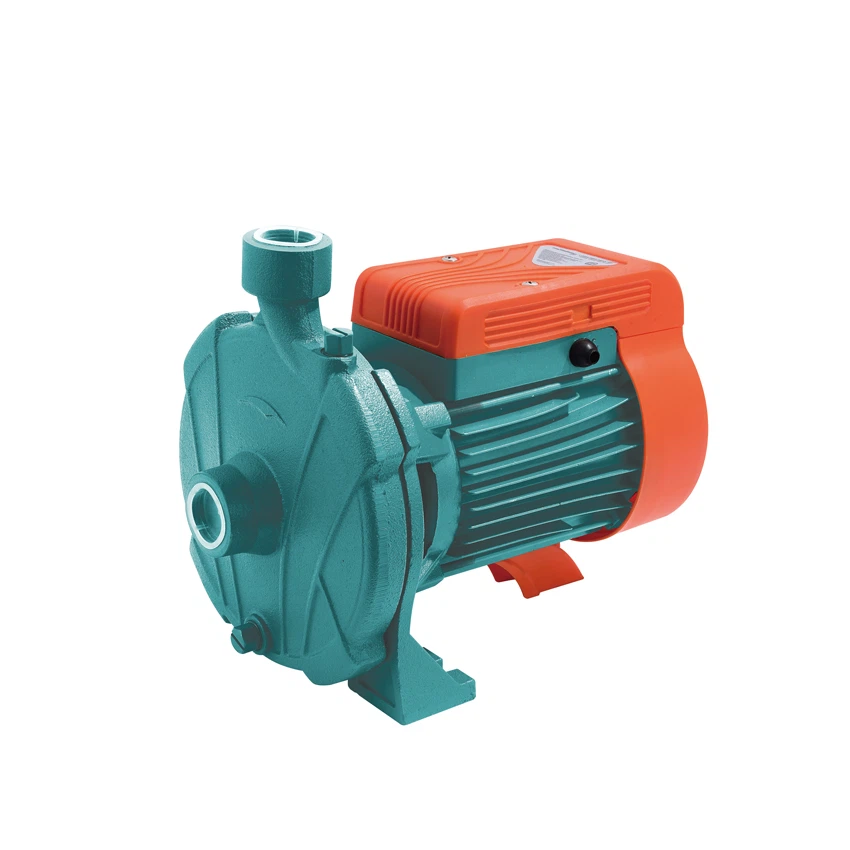
·Centrifugal pump
·Liquid pumped up to 60℃
·Clean water with little impurities, non-corrosive liquid

·Centrifugal pump
·Liquid pumped up to 60℃
·Clean water with little impurities, non-corrosive liquid relative high flow rate, pump water from lake,river and well
·Medium and low head can meet the demands of various industrial and agricultural fields.

·Centrifugal pump
·Liquid pumped up to 60℃
·Clean water with little impurities, non-corrosive liquid relative high flow rate, pump water from lake, river and well
·Medium and low head can meet the demands of various industrial and agricultural fields.

·Centrifugal pump
·Liquid pumped up to 60℃
·Clean water with little impurities, non-corrosive liquid relative high flow rate, pump water from lake,river and well
·Medium and low head can meet the demands of various industrial and agricultural fields.

·Centrifugal pump
·Liquid pumped up to 60℃
·Clean water with little impurities, non-corrosive liquid
What is Portable Centrifugal Pump
Centrifugal pumps are used to transport fluids by the conversion of rotational kinetic energy to the hydrodynamic energy of the fluid flow. The rotational energy typically comes from an engine or electric motor. They are a sub-class of dynamic axisymmetric work-absorbing turbomachinery. The fluid enters the pump impeller along or near to the rotating axis and is accelerated by the impeller, flowing radially outward into a diffuser or volute chamber (casing), from which it exits.
Benefits of Portable Centrifugal Pump
Smooth flow – Centrifugal flow is laminar and non-pulsating allowing them to be used with flowmeters easily.
Low maintenance & easy to maintain - Due to their simple uncomplicated design, which are often maintained without special tools or equipment.
Efficient – As the internal elements are free to rotate, they are very efficient when handling low viscosity fluids
Versatile – They can be designed to handle a multitude of liquids and solids by changing the materials of certain parts, or impeller design.
Low cost – Due to their simplicity of design and wide availability, they are one of the lowest initial costs of pump. If specified correctly they can also provide the lowest lifetime cost for an application.
Low infrastructure costs – As Centrifugal pumps can be ran against a closed valve for short periods without damage, additional accessories such as pressure relief valves and other devices are not required.
Orientation
Radial centrifugal pumps – The design of Radial Centrifugal Pumps pumps facilitates an outward motion flow, which an impeller speeds up. Energy transfers to a chamber that allows the liquid to leave the pump in piping going downstream. The radial type pump comes in both a horizontal and vertical orientation. While both have unique advantages, a lot of companies prefer the horizontal option since access to the internal components is easier for performing maintenance and making repairs.
Axial centrifugal pumps – These pumps produce flow from the propelling motion of the impeller vanes, in other words, via a lifting effect.
Stage pumps
Single stage – This centrifugal pump has a single impeller. With its simple design, maintenance is a breeze. Typically, this particular type works best for low-pressure and large-flow-rate installations. For the most part, this pump services a low to moderate total dynamic head and high flow.
Two stage – With two impellers that operate side-by-side, the two stage centrifugal pump is best for medium head applications.
Multi-stage – As the name implies, this pump has three or more impellers, making it ideal for high head service. When talking about pump head, this consists of pressure as defined by the height to which a pump can lift or raise liquid.
Impeller
There are even different impeller designs.
Single suction – With a single-suction impeller, this pump makes it possible for liquid to enter the blades through just one side. Even with a relatively straightforward design, the impeller has more axial thrust imbalance due to the flow of liquid.
Double suction – In this case, the centrifugal pump has a double-suction impeller, meaning the liquid enters from both sides of the blades. As such, it has a lower net positive suction head compared to the single-suction pump.
Vortex open – Impeller of this type is capable of transferring oils and heat transfer fluids
Open impeller – used in self priming pumps often, the open impeller has a series of vanes attached to a central unit. This is done for the mounting on the shaft. An open impeller is less likely to get clogged and even if it does, it is easier to clean than a closed impeller type.
Semi-closed – This type has a back wall that adds strength to the impeller. Semi-closed impellers are usually used with liquids that have solids. Reduced efficiency from a closed impeller with semi-closed impellers, but the ability to pass solids is an important trade-off.
Closed impeller – Closed impellers are the most commonly used impellers in the industry since they can deal with volatile and explosive fluids.
A: The closed impeller is initially really efficient, and are used primarily in larger pumps and can be used in applications that handle suspended-solid service.
B: These types of impellers are commonly found in clear liquid applications. They don't do well with solids and are difficult to clean if they become clogged.
Chemical processing industries
Centrifugal pumps are used in chemical processing industries like paints manufacturing, cellulose making, petrochemicals, etc.
Mining industries
Centrifugal pumps are used in the mining industry as froth pumps to separate bitumen and other minerals from sand and clay.
As booster pumps
Centrifugal pumps help in boosting pressure by taking the pressure from the main channel and transfer it further ahead. When switched on, these booster pumps can run automatically during set periods.
As daily water pumps
Centrifugal pumps are used to transfer water in day-to-day applications that do not require much suction lift. They are mostly used in pneumatic and overhead water systems. For centrifugal pumps to function efficiently, they need to have a suction line with an attached valve. It can provide suction lifts up to 15 feet.
As fire-protection systems
Centrifugal pumps are used for hot water circulation in closed systems. Their flexibility and low head, make them a great fit here.
For sump drainage
Centrifugal pumps are used in sewage applications to drain the slurry and sewage. The pump can be mounted either vertically or horizontally, depending on the application.
Components of Portable Centrifugal Pump


Centrifugal pump shaft
It is the central part of the pump which rotates together with the impeller when connected. The shaft is linked to the prime mover in order to get the power. The shaft fits perfectly with the ball bearing.
Centrifugal pump impeller
It comprises an arrangement of backward curved vanes. It is mounted to an electric motor's shaft. This is known as the rotating part of the centrifugal pump enclosed in a casing that is watertight. The impeller rotates and imparts velocity to a liquid.
Centrifugal pump casing
This is a passage surrounding the impeller, which will be airtight. It is made in such a way that the water's kinetic energy discharged at the outlet is changed to pressure energy before the water leaves the casing and is delivered into the delivery pipe. It works as a cover so that it protects the system. The casing transforms the velocity developed by the impeller into a stable flow. There are basically three types of casings in centrifugal pumps namely volute casing, vortex casing and casing with guide blades.
Volute casing or spiral casing
The impeller surrounds this type of casing. Such a casing provides a successive increase in the area of flow and hence decreases the velocity of water and increases the pressure.
Vortex casing
This casing is a circular chamber that is introduced between the casing and impeller. The fluid from the impeller has to pass through the vortex chamber first and then through the volute casing. Velocity energy has been changed to pressure and has good efficiency compared to the volute casing.
Casing with guide blades
In this type of casing, there are blades surrounding the impeller. These blades are arranged and designed in such a way that the water from the impeller passes through the guide vanes without shock and forms a passage of increasing area, through which the water passes through and reaches the delivery to leave with pressure.
Suction pipe with a strainer and foot valve
The suction pipe has two ends. The first end is connected to the pump's inlet and one end is dipped into the water in a sump. At the suction pipes' lower end, a foot valve is fitted. The valve only opens in an upward direction as it will be a one-way type. To prevent the entry of unknown and unwanted bodies into the suction pipe, a strainer is fitted at the end of the pipe.
Delivery valve
The delivery valve also has two ends. One end is connected to the pump's outlet and the other end delivers the water at a required height.
Process of Portable Centrifugal Pump
Priming
Before the pump can start working, it needs to be primed. Priming refers to the process of filling the pump casing and suction pipe with fluid to ensure there are no air bubbles and to create a continuous flow.
Rotation
After priming the centrifugal pump, the motor starts rotating the impeller, which pushes the fluid toward the discharge port, creating a low-pressure region at the center.
Suction
As the rotation speed of the impeller increases, it establishes the normal pressure required to begin pumping. Strong suction is created for proper suction of the liquid and draws liquid into the pump through the suction pipe.
Centrifugal force
As the fluid enters, it gains kinetic energy due to the centrifugal force created by the rotating impeller. This kinetic energy increases the fluid's velocity.
Conversion
The high-velocity fluid enters the volute, which converts the kinetic energy into pressure energy and increases the fluid's pressure.
Discharge
The high-pressure fluid is then discharged from the pump through the discharge pipe.
Regular inspection: Regular visual inspection of the pump and its components is necessary to detect any signs of wear or damage, such as cracks, corrosion, or leaks.
Lubrication: The bearings and other moving parts of the pump require proper lubrication to reduce friction and prevent wear. Lubrication schedules should be followed as recommended by the manufacturer.
Impeller cleaning: The impeller is a critical component of the centrifugal pump, and its performance can be affected by buildup of debris or deposits. The impeller should be cleaned on a regular basis to maintain its efficiency.
Alignment: Proper alignment of the pump and motor is important to prevent vibration and reduce wear on the components. Misalignment can cause premature failure of bearings, seals, and other components.
Belt replacement: If the pump is driven by a belt, the belt should be inspected regularly and replaced as needed. Worn or damaged belts can cause slippage or breakage, leading to downtime and repair costs.
Seal replacement: The pump seals are designed to prevent leakage of fluid from the pump, and they need to be replaced periodically as they wear out. A leaking seal can cause contamination of the fluid and lead to loss of efficiency.
Motor maintenance: If the pump is driven by an electric motor, the motor should be inspected and maintained on a regular basis. This includes checking the electrical connections, cleaning the motor, and inspecting the brushes and other components.
Centrifugal Pumps Operating Principle
The fluid being pumped enters continuously through the pump's suction nozzle at the centre of the impeller.
From here it is accelerated in a radial direction as far as the edge of the impeller, where it drains into the casing.
The fluid current is accelerated by the push that the impeller blades, thanks to their curvature, transmit to the current itself. In this way the fluid acquires energy, mainly in the form of an increase in its average speed (kinetic energy).
Inside the casing, the liquid is suitably slowed down thanks to the gradually growing section in the direction of motion.
A section increase such as this is generally obtained by designing the peripheral part of the casing (tube aerator) in a spiral shape with a transverse section (generally a circular, trapezoidal or rectangular shape) that varies from zero up to the value of the discharge nozzle section.
In this way, the kinetic energy held by the fluid is converted into pressure energy.
The casing, from the part opposite the suction nozzle, is closed with the cover. In the central section of the cover, where the shaft passage is located, there is a chamber where the shaft seal is housed.
The seal between the high-pressure zone (inside the casing) and the low-pressure zone (suction nozzle) is achieved through a much reduced clearance created between the impeller and the casing.
The impeller and the shaft are cantilevered by two bearings located on the outside of the casing in a special support.
Factors Affect the Performance of a Centrifugal Pump
Can be defined as resistance to shear when energy is applied. In general, a centrifugal pump is suitable for low viscosity fluids since the pumping action generates high liquid shear.
The density of a fluid is its mass per unit of volume. A fluid's mass per unit volume and gravity of a fluid is the ratio of a fluid's density to the density of water. It directly affects the input power required to pump a particular liquid. If you are working with a fluid other than water, it is important to consider the specific density and gravity since the weight will have a direct effect on the amount of work performed by the pump.
Pumping conditions like temperature and pressures are an important consideration for any operation. For example – High-temperature pumping may require special gaskets, seals and mounting designs. Similarly, an adequately designed pressure retaining casing may be required for high-pressure conditions.
NPSH is a term that refers to the pressure of a fluid on the suction side of a pump to help determine if the pressure is high enough to avoid cavitation. Cavitation refers to the formation of bubbles or cavities in liquid, developed in areas of relatively low pressure around an impeller and can cause serious damage to the impeller and lead to decreased flow/pressure rates among other things. One must ensure that the system's net positive suction head available (NPSHA) is greater than the pump's net positive suction head required (NPSHR), with an appropriate safety margin.
The vapor pressure of a fluid is the pressure, at a given temperature, at which a fluid will change to a vapor. It must be determined in order to avoid cavitation as well as bearing damage caused by dry running when the fluid has evaporated.
What Are the Limitations of a Centrifugal Pump
The efficient operation of a centrifugal pump relies on the constant, high speed rotation of its impeller. With high viscosity feeds, centrifugal pumps become increasingly inefficient: there is greater resistance and a higher pressure is needed to maintain a specific flow rate. In general, centrifugal pumps are therefore suited to low pressure, high capacity, pumping applications of liquids with viscosities between 0.1 and 200 cP.
Slurries such as mud, or high viscosity oils can cause excessive wear and overheating leading to damage and premature failures. Positive displacement pumps often operate at considerably lower speeds and are less prone to these problems.
Any pumped medium that is sensitive to shearing (the separation of emulsions, slurries or biological liquids) can also be damaged by the high speed of a centrifugal pump's impeller. In such cases, the lower speed of a positive displacement pump is preferred.
A further limitation is that, unlike a positive displacement pump, a centrifugal pump cannot provide suction when dry: it must initially be primed with the pumped fluid. Centrifugal pumps are therefore not suited to any application where the supply is intermittent. Additionally, if the feed pressure is variable, a centrifugal pump produces a variable flow; a positive displacement pump is insensitive to changing pressures and will provide a constant output. So, in applications where accurate dosing is required, a positive displacement pump is preferred.
Our company has past management system authentication ISO9001-2015 and carries out the operation strictly according to the ISO9001 quality control system standard and focus on details of each quality.

FAQ
Hot Tags: portable centrifugal pump, China portable centrifugal pump manufacturers, suppliers, factory, 110v centrifugal pump, 1 5 hp centrifugal water pump, surface pump, standard centrifugal pump, centrifugal trash pump, electric centrifugal water pump
You Might Also Like


Send Inquiry