



What causes a centrifugal pump to vibrate?
Oct 16, 2025
Leave a message
Hey there! As a supplier of centrifugal pumps, I've seen my fair share of issues over the years. One of the most common problems that customers come to me with is pump vibration. It's a real headache, and if not addressed, it can lead to all sorts of problems, from reduced efficiency to complete pump failure. So, in this blog post, I'm going to dive into what causes a centrifugal pump to vibrate and how you can deal with it.
Imbalanced Rotating Components
One of the main culprits behind pump vibration is imbalanced rotating components. You see, a centrifugal pump has a lot of moving parts, like the impeller and the shaft. If these parts aren't perfectly balanced, it can cause the pump to vibrate. Think of it like a car tire that's out of balance. When you drive, you can feel the vibration in the steering wheel. The same principle applies to centrifugal pumps.
There are a few reasons why rotating components might become imbalanced. For starters, wear and tear can cause parts to lose their balance over time. Also, if the pump is installed incorrectly, it can lead to an imbalance. And sometimes, debris or foreign objects can get stuck in the impeller, throwing off its balance.
To fix this issue, you'll need to have the rotating components balanced. This is usually done by a professional using specialized equipment. They'll measure the imbalance and then add or remove weight from the components to get them back in balance. If you suspect that imbalanced rotating components are the cause of your pump vibration, it's best to get it checked out as soon as possible.
Misalignment
Another common cause of pump vibration is misalignment. This can happen when the pump and the motor aren't properly aligned. When they're out of alignment, it puts extra stress on the pump's bearings and shaft, which can lead to vibration.
There are two main types of misalignment: angular and parallel. Angular misalignment occurs when the pump and the motor aren't at the same angle. Parallel misalignment, on the other hand, happens when the pump and the motor aren't in the same straight line.
To fix misalignment, you'll need to realign the pump and the motor. This can be a tricky process, so it's often best to have it done by a professional. They'll use precision tools to measure the alignment and then make the necessary adjustments.
Cavitation
Cavitation is another issue that can cause a centrifugal pump to vibrate. Cavitation occurs when the pressure in the pump drops below the vapor pressure of the liquid being pumped. When this happens, vapor bubbles form in the liquid. These bubbles then collapse when they reach a higher pressure area, creating shock waves that can cause the pump to vibrate.
There are a few reasons why cavitation might occur. For example, if the pump is operating at too high a speed, it can cause the pressure to drop. Also, if the suction line is too small or clogged, it can restrict the flow of liquid into the pump, leading to cavitation.
To prevent cavitation, you'll need to make sure that the pump is operating within its recommended parameters. You might also need to check the suction line for any blockages and make sure that it's the right size. If cavitation is already occurring, you might need to reduce the pump's speed or increase the pressure in the suction line.
Loose Parts
Loose parts can also cause a centrifugal pump to vibrate. Over time, the bolts and nuts that hold the pump together can become loose. This can cause the pump to shake and vibrate.
To fix this issue, you'll need to check all the bolts and nuts on the pump and tighten them if necessary. It's a good idea to do this regularly as part of your pump maintenance routine.
Bearing Problems
The bearings in a centrifugal pump are responsible for supporting the rotating shaft. If the bearings are worn out or damaged, it can cause the pump to vibrate.
There are a few signs that your bearings might be having problems. For example, you might hear a grinding or squealing noise coming from the pump. You might also notice that the pump is getting hot.
If you suspect that your bearings are the cause of the vibration, you'll need to replace them. This is a job that's best left to a professional, as it requires specialized tools and knowledge.
Fluid Flow Issues
Finally, fluid flow issues can also cause pump vibration. If the flow of fluid through the pump is uneven or turbulent, it can create pressure fluctuations that lead to vibration.
There are a few things that can cause fluid flow issues. For example, if the pump is installed in a location where there's a lot of turbulence in the fluid, it can affect the flow. Also, if the piping system is too small or has too many bends, it can restrict the flow and cause vibration.
To fix fluid flow issues, you'll need to make sure that the pump is installed in a location with a smooth and even flow of fluid. You might also need to check the piping system and make any necessary changes.
Our Centrifugal Pumps
At our company, we offer a wide range of high - quality centrifugal pumps, including the 110v Centrifugal Pump, Stainless Centrifugal Pump, and Standard Centrifugal Pump. Our pumps are designed to be reliable and efficient, but like any mechanical equipment, they can sometimes experience issues.
If you're experiencing pump vibration or any other problems with your centrifugal pump, don't hesitate to reach out to us. Our team of experts is here to help you diagnose and fix the issue. We can also provide you with maintenance tips and advice to keep your pump running smoothly for years to come.

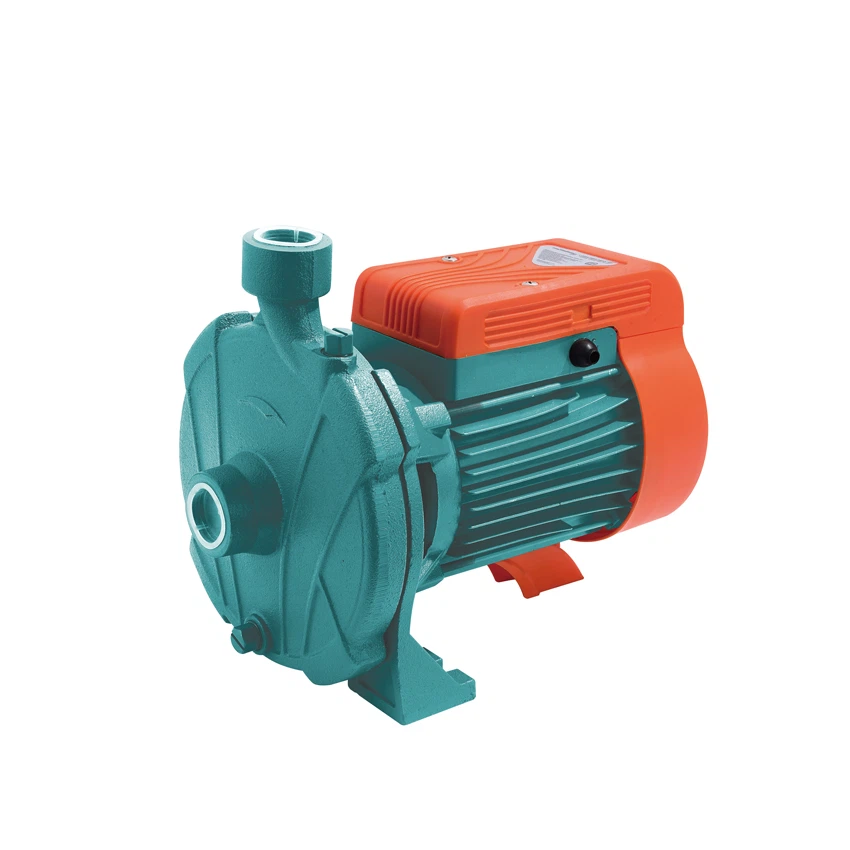
Whether you're in the market for a new centrifugal pump or need help with an existing one, we're here to assist you. Contact us today to start a conversation about your needs and how we can meet them.
References
- "Centrifugal Pumps: Design and Application" by I. J. Karassik, W. C. Krutzsch, and C. C. Fraser
- "Pump Handbook" by Igor J. Karassik et al.
- Industry standards and guidelines from the Hydraulic Institute
Send Inquiry