



Standard Centrifugal Pump
Taizhou Sunlight Electric Machinery & Pump Industry CO.,Ltd was established in 1995 , which specialized in research, development and manufaturing peripheral pump,centrifugal pump,Jet pump,submersible pump,deep well submersible pump,booster pump , air compressor &mold etcs.Construction area 50,000 square meters ,300 employees ,Sale 900,000 pcs all kinds of water pump &150,000pcs air compressor in 2022.
Why Choose Us
Our factory
Construction area 50,000 square meters ,300 employees ,Sale 900,000 pcs all kinds of water pump &150,000pcs air compressor in 2022.
Our certification
Our company has past management system authentication ISO9001-2015,produts have won the CE certification,CCC authentication.
Sales market
The products are far sold to countries such as South America,Eastern Europe,Asia etc market.
Our products
We manufaturing peripheral pump,centrifugal pump,Jet pump,submersible pump,deep well submersible pump,booster pump , air compressor &mold etcs.

·Centrifugal pump
·Liquid pumped up to 60℃
·Clean water with little impurities, non-corrosive liquid relative high flow rate, pump water from lake,river and well
·Medium and low head can meet the demands of various industrial and agricultural fields.
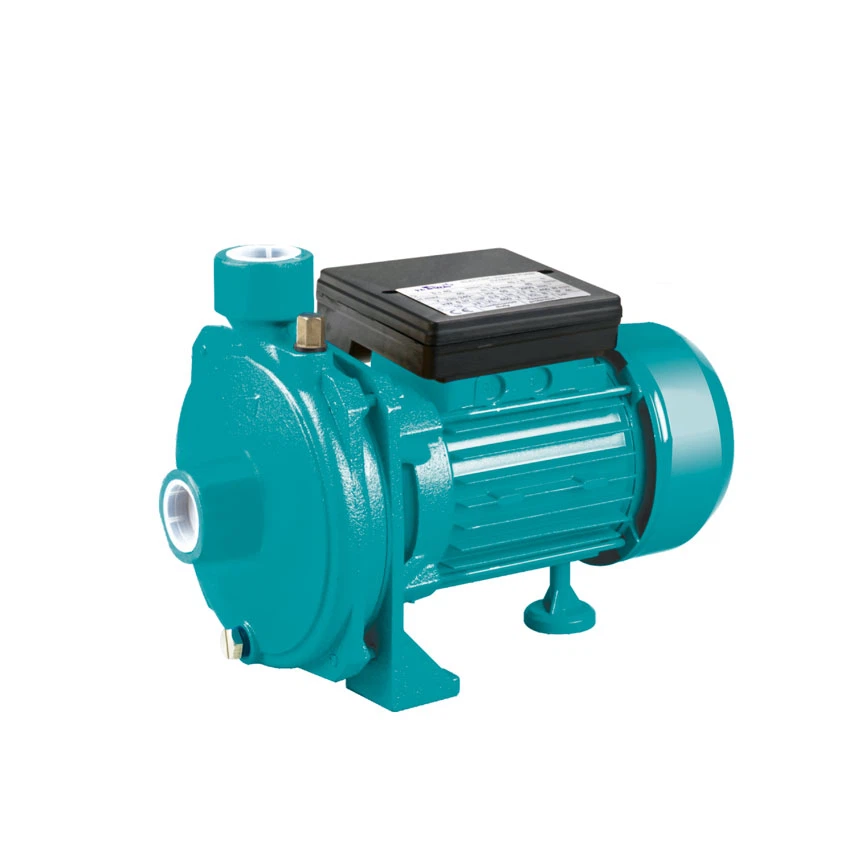
·Centrifugal pump
·Liquid pumped up to 60℃
·Clean water with little impurities, non-corrosive liquid
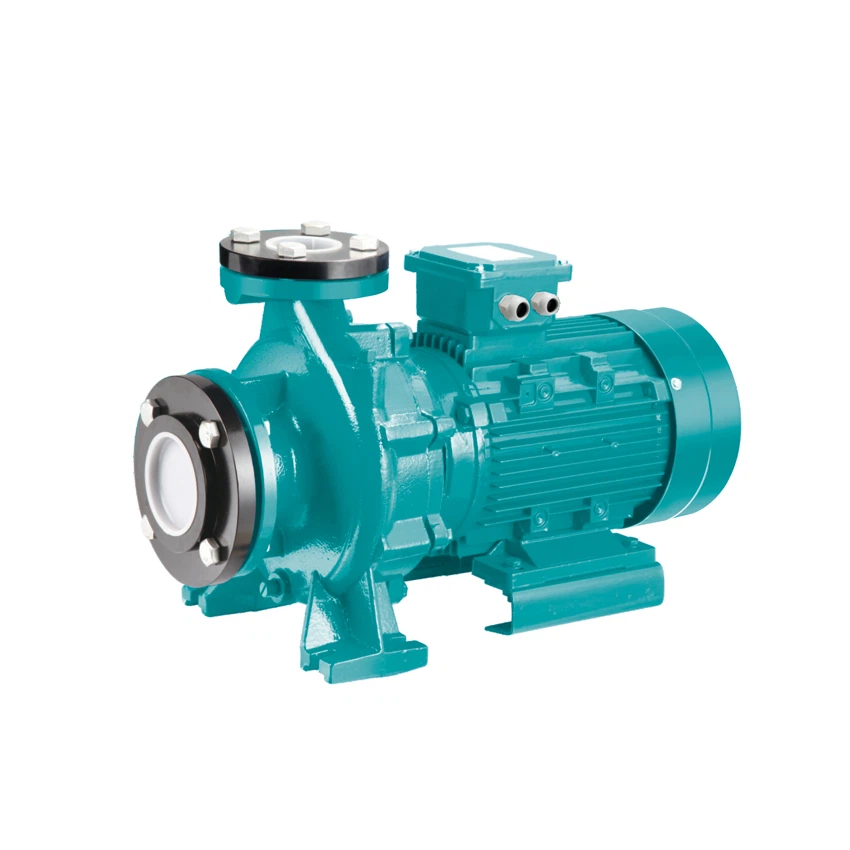
.Centrifugal pump
·Liquid pumped up to 60℃
·Clean water with little impurities, non-corrosive liquid relative high flow rate, pump water from lake, river and well
·Medium and low head can meet the demands of various industrial and agricultural fields.
Electric Centrifugal Water Pump
·Centrifugal pump
·Liquid pumped up to 60℃
·Clean water with little impurities, non-corrosive liquid
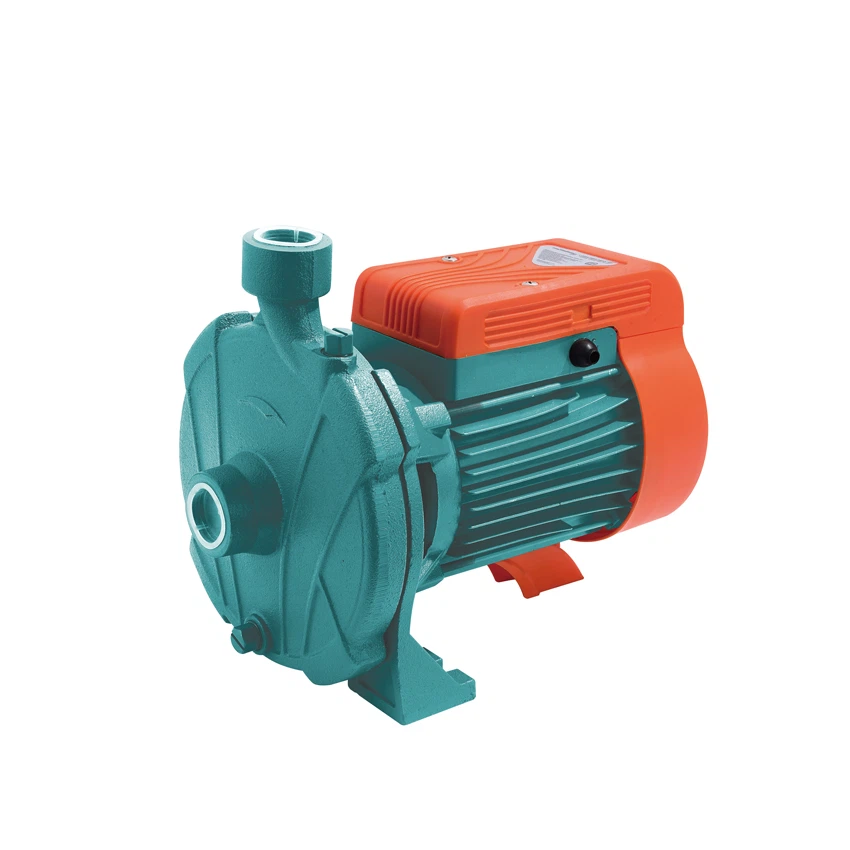
·Centrifugal pump
·Liquid pumped up to 60℃
·Clean water with little impurities, non-corrosive liquid

·Centrifugal pump
·Liquid pumped up to 60℃
·Clean water with little impurities, non-corrosive liquid relative high flow rate, pump water from lake,river and well
·Medium and low head can meet the demands of various industrial and agricultural fields.

·Centrifugal pump
·Liquid pumped up to 60℃
·Clean water with little impurities, non-corrosive liquid

·Centrifugal pump
·Liquid pumped up to 60℃
·Clean water with little impurities, non-corrosive liquid relative high flow rate, pump water from lake, river and well
·Medium and low head can meet the demands of various industrial and agricultural fields.
What is Standard Centrifugal Pump
The standard (non-self-priming) centrifugal pump is the most commonly used type of centrifugal pump. A standard centrifugal pump has a higher yield than a self-priming pump. When this pump is started, the suction pipe and the pump body must be completely filled with water, because the pump is unable to evacuate air. The pump has the effect of increasing pressure.
Benefits of Standard Centrifugal Pump
High-efficiency
Centrifugal pumps are designed with impellers that create a centrifugal force, which imparts energy to the fluid. This hydraulic design allows for efficient fluid transfer with minimal energy losses.
Due to their high efficiency, centrifugal pumps require less power consumption compared to other types of pumps. This results in significant energy savings, reducing operational costs and environmental impact.
Wide range of applications
Centrifugal pumps find applications in numerous industries, including water supply and treatment, irrigation, chemical processing, HVAC systems, power generation, and more. Their versatility makes them suitable for various fluid transfer tasks.
Simple and compact design
It feature a simple design consisting of an impeller, a casing, and inlet/outlet connections. This simplicity makes them easier to manufacture, install, and maintain.
The compact size of centrifugal pumps allows for easy installation in confined spaces. They require less floor area, making them suitable for applications where space is limited, such as onboard ships or in compact industrial facilities.
Ability to handle different pressures
Centrifugal pumps can handle both low and high-pressure operations. By adjusting impeller size, rotational speed, and design features, centrifugal pumps can be optimized to meet specific pressure requirements, offering flexibility in different applications.
Low maintenance requirements
Centrifugal pumps are known for their robust construction and reliability. They are designed to handle demanding operating conditions, including continuous operation and handling a wide range of fluids.
Due to their sturdy design and reliable operation, centrifugal pumps require minimal maintenance. This translates into reduced downtime, increased productivity, and cost savings for industries relying on these pumps.
Benefits of Standard Centrifugal Pump
Centrifugal pumps are designed with impellers that create a centrifugal force, which imparts energy to the fluid. This hydraulic design allows for efficient fluid transfer with minimal energy losses.
Due to their high efficiency, centrifugal pumps require less power consumption compared to other types of pumps. This results in significant energy savings, reducing operational costs and environmental impact.
Centrifugal pumps find applications in numerous industries, including water supply and treatment, irrigation, chemical processing, HVAC systems, power generation, and more. Their versatility makes them suitable for various fluid transfer tasks.
It feature a simple design consisting of an impeller, a casing, and inlet/outlet connections. This simplicity makes them easier to manufacture, install, and maintain.
The compact size of centrifugal pumps allows for easy installation in confined spaces. They require less floor area, making them suitable for applications where space is limited, such as onboard ships or in compact industrial facilities.
Centrifugal pumps can handle both low and high-pressure operations. By adjusting impeller size, rotational speed, and design features, centrifugal pumps can be optimized to meet specific pressure requirements, offering flexibility in different applications.
Centrifugal pumps are known for their robust construction and reliability. They are designed to handle demanding operating conditions, including continuous operation and handling a wide range of fluids.
Due to their sturdy design and reliable operation, centrifugal pumps require minimal maintenance. This translates into reduced downtime, increased productivity, and cost savings for industries relying on these pumps.
Types of Standard Centrifugal Pump



Single-stage centrifugal pumps
Single-stage pumps house one impeller within their casing. This setup makes maintenance easy but limits the pump to low-pressure operation with a continuous and significant flow rate. Depending on their applications, installers can configure these pumps as close-coupled, long-coupled, or vertical.
Multi-stage centrifugal pumps
Multi-stage pumps contain multiple impellers rotating within their ring sections. Each impeller adds pressure to the receiving flow, allowing these pumps to produce increasingly high pressure. As a result, these pumps work best with clean fluids.
Self-priming centrifugal pumps
Self-priming means lifting water from the tank below the pump inlet without additional devices. These pumps can draw liquid from water tanks or bodies of water below the inlet. After the priming portion, the pump begins to function as a regular centrifugal pump.
These pumps operate less efficiently than multi-stage pumps but can handle solids without issues.
Side channel centrifugal pumps
Side channel pumps share characteristics of multi-stage and self-priming pumps, making them a hybrid pump type. Like multi-stage pumps, they feature multiple impellers. However, they can also self-prime, which is rare in centrifugal pumps. In addition, side channel pumps can only handle clean or gas-entrained fluids without solid or abrasive particles.
Magnetic drive centrifugal pumps
Magnetic drive pumps feature a different pump head design than conventional centrifugal pumps. Unlike traditional pumps, magnetic pumps don't feature an exit for the pump shaft. Instead, the pump head is completely sealed, containing all the fluids.
Thanks to this design, magnetic drive pumps come in handy for liquids that pose a significant hazard if leakage occurs. These liquids include acids, pollutants, and other aggressive or dangerous liquids.
Split-casing centrifugal pumps
Split-casing pumps, also known as double-suction pumps, feature an impeller designed to produce high-volume flows. These pumps are commonly used in industrial and commercial applications requiring the pump to work longer than usual.
Submersible centrifugal pumps
As the name suggests, these pumps can be submerged in fluids. Therefore, one can use them in large bodies of water for groundwater extraction and sewage transfer. In addition, submersible centrifugal pumps are usually narrow in design, allowing them to fit boreholes drilled for extracting water from the ground.
Immersed centrifugal pumps
Immersed pumps have a more robust design than their submersible counterparts. Their pump head is submerged in the fluid used to cool the pump's motor, with the motor protruding from it. Thanks to this design, immersed pumps require less maintenance. As a result, they are suitable for pumping and circulating abrasive and aggressive liquids.

Centrifugal pumps are used across a wide range of industries. They are essential features in places where hydrocarbons are transferred and refined, petro-chemicals are manufactured and large volumes of liquid must be transferred with controlled flow and pressures.
Another popular centrifugal pump application is removing or supplying water from and to residential and commercial buildings and agricultural areas.
This mechanical device is also used in fire protection systems, sewage and slurry disposal, and various food and beverage manufacturing operations.
Components of Standard Centrifugal Pump
Impeller: The impeller is a rotating component that is responsible for imparting kinetic energy to the fluid. It typically consists of curved vanes or blades that accelerate the fluid as it rotates. Impellers can be designed in different configurations, such as open, semi-open, or closed, depending on the application requirements.
Casing/volute: The casing or volute is the stationary outer housing of the pump that encloses the impeller and directs the flow of fluid. It is shaped to gradually increase the cross-sectional area, converting the kinetic energy into pressure energy as the fluid exits the impeller.
Suction and discharge ports: These are openings in the pump casing through which fluid enters (suction) and exits (discharge) the pump. They are typically fitted with flanges or connections for attaching inlet and outlet piping.
Shaft: The shaft is the central rotating component of the pump that connects the impeller to the motor or drive unit. It transmits the rotational motion from the motor to the impeller, enabling fluid movement.
Bearings: Bearings support the shaft within the pump casing and allow it to rotate smoothly. They reduce friction and wear between the shaft and casing, enabling efficient operation and prolonging the life of the pump.
Seals: Seals prevent leakage of fluid from the pump and maintain pressure within the system. Common types of seals used in centrifugal pumps include mechanical seals, packing seals, and lip seals.
Wear rings/bushings: Wear rings or bushings are fitted between the impeller and casing to minimize friction and wear between these components. They help maintain the efficiency and performance of the pump by preventing contact between the rotating and stationary parts.
Casing wear rings: These are fitted on the inside of the pump casing to provide a clearance gap between the impeller and casing. They help reduce wear and improve pump efficiency by minimizing recirculation and turbulence within the casing.
Stuffing box: In pumps using packing seals, the stuffing box is a chamber located around the shaft where packing material is inserted to create a seal. It allows for adjustment and replacement of the packing to control leakage.
Drive unit: The drive unit, typically an electric motor or engine, provides the power necessary to rotate the pump shaft and impeller, thereby generating fluid flow.
Process of Standard Centrifugal Pump
The suction valve of the pump to be opened which cause the fluid flow to the impeller and fill the volute of the centrifugal pump.
Open the vent valve which is on the discharge line before the discharge valve of the centrifugal pump which causes all air to move out of the casing and filled with the pumping fluid only.
When some quantity of the fluid comes out from the vent valve close the valve.
Now open the bypass valve of the discharge valve which is near or side of the discharge valve on the discharge line.
Now start the pump and let it attain its capacity in the pressure gauge on the discharge line.
When the pressure gauge is stable it is time to open the discharge valve of the centrifugal pump.
Don't casually open a pump for general inspection
Make sure that no workers open the pump for general inspection, unless there is definite evidence that the performance of the pump has declined or there is a noise or driver overload indicated internal trouble.
Pay special attention to examination and reconditioning of metal-to-metal fits
Pay special attention while dealing with stationary parts like casing rings seat in the casing so that you don't damage it by any chance.
Be cautious while dismantling the pump
Whenever you are dismantling the machine for an inspection or a repair, make sure that you take preventive measures and carefully carry out the entire procedure. Lift the upper half straight up of horizontally split casing pumps to avoid damaging internal parts. Lift the rotor out vertically to avoid any injuries to impellers, wearing rings, etc. Mark all the parts as they are removed. Verify and carefully examine all the parts and joints. Make records of all faults, clearances, and compare with the original statistics of the machinery.
Install new gaskets for complete overhaul
Except for some customized or special designs, most of the centrifugal pump casings have gaskets which might get damaged on opening the pump. Make sure to install new gaskets of the same dimensions as the original, if damaged due to any reason. Accurately trim the inner gasket edges along the internal portion of the pump waterways. Before applying the gasket, ensure that the gasket mounting surfaces are clean.
Examine impellers for cavitation, corrosion or erosion
Again, if there is severe wear of the impellers, replace it with a better material that is available. If any serious signs of cavitation are found, consider relocating the pump and improve its suction conditions or get a customized impeller which will operate properly without any damage under existing suction conditions.
Clean and repaint casing waterways thoroughly
Clean and repaint the casing waterways properly during a complete overhaul. Check the waterways for erosion or corrosion. If there are any severe signs of wear apparent, consult the manufacturer and discuss the possibility of using more resistant materials.
Check all mounted parts on the rotor
Evaluate the concentricity and check the trueness of faces against bores. This will help in preventing the bowing of the shaft when tightening up the shaft nuts.
After mounting on impeller, check concentricity on new wearing rings
Make a slight cut to obtain a true circle after properly evaluating the concentricity of the new wearing rings. Ensure that it is of proper shape.
Careful installation of anti-friction bearings on shafts
The ideal way to mount anti-friction bearings on shafts involves slight heating of the bearings and expand their inner race instead of forcing them on the shaft. If you try forcing the bearing on the shaft, apply force by using an arbor press or by gentle blows of a hammer alternately on opposite sides of a tubular sleeve held against the inner race.
Restore shaft sleeves or shaft to proper service condition at stuffing box
It is possible to rebuild these surfaces by metalizing or wielding, however in most of the cases it is preferred to install new parts as rebuilding isn't as efficient and effective as installing new parts.
Track records of all inspections and repairs
A complete track record for all inspections and repairs helps form a foundation basis for preventive maintenance which can help cut down on repair and maintenance costs in the long run.
Notes Before Operating Centrifugal Pump
Before starting the centrifugal pump operation procedure, it is necessary to prepare and follow these notes for the smoothest start-up.
Since centrifugal pumps are not self-priming, it is necessary to fill the pump with fluid or vacuum the piping before operating the unit.
Do not operate the pump below the minimum rated flow or close the suction and discharge valves. Because these things can cause the centrifugal pump to fail easily.
Always disconnect and power off the driver before performing any installation or maintenance tasks.
Check the direction of rotation of the pump in the direction of the arrow shown on the pump body (clockwise rotation). Starting the centrifugal pump in the opposite direction can lead to metal parts friction, heat generation, and water line breakage.
Connect to a stable voltage source: 3 phase (380V, 50Hz) or 1 phase (220V, 50Hz) depending on different centrifugal pump models.
The system should be flushed and cleaned thoroughly to remove all dirt or debris in the piping. This is to avoid damage when starting the pump.
If the temperature of the pumped liquid exceeds 93°C, the pump should be warmed up before starting.
Pass a small amount of liquid through the pump until the housing temperature is within 38°C of the liquid temperature before starting the centrifugal pump. This helps the pump avoid thermal shock to the bearing (liner), impeller (impeller) and avoid damaging the mechanical seal (mechanical seal).
Open all backend systems and let them run for at least 10 minutes. Wait until the entire backend system is stable and then take the next step. These auxiliary systems include a lubricating oil system, closed exhaust system, cooling, and insulation system.
Failing to run your Centrifugal Pump to its BEP (best efficiency point) can cause a list of problems for your pump, including reducing the life span of your pump seals, bearings and impeller. This includes running your pump too far either side of the BEP, either too low or too high. BEP ensures that your Centrifugal Pump is running as efficiently as possible which reduces energy costs, improves pump life and lowers maintenance costs.
The Centrifugal BEP is typically marked on the performance curve provided with your pump.


There are two main families of pumps; positive displacement and centrifugal (rotodynamic), both of which have their uses and best areas of application. It is important however to be able to identify when each pump type should be selected, which ultimately comes down to their working principle and the application at hand.
Positive displacement pumps are characterised by an operation that moves fluid by trapping a fixed volume, usually in a cavity, and then forces that trapped fluid into the discharge pipe. A centrifugal pump transfers the kinetic energy of the motor to the liquid by a spinning impeller; as the impeller rotates it draws in fluid causing increased velocity that moves the fluid to the discharge point.
A quick comparison table
|
Factor |
Centrifugal |
Positive Displacement |
|
Mechanics |
Impellers pass on velocity from the motor to the liquid which helps move the fluid to the discharge port (produces flow by creating pressure). |
Traps confined amounts of liquid and forces it from the suction to the discharge port (produces pressure by creating flow). |
|
Performance |
Flow rate varies with a change in pressure. |
Flow rate remains constant with a change in pressure. |
|
Viscosity |
Flow rate rapidly decreases with increasing viscosity, even any moderate thickness, due to frictional losses inside the pump. |
Due to the internal clearances high viscosities are handled easily and flow rate increases with increasing viscosity. |
|
Efficiency |
Efficiency peaks at a specific pressure; any variations decrease efficiency dramatically. Does not operate well when run off the middle of the curve; can cause damage and cavitation. |
Efficiency is less affected by pressure, but if anything tends to increase as pressure increases. Can be run at any point on their curve without damage or efficiency loss. |
|
Suction Lift |
Standard models cannot create suction lift, although self-priming designs are available and manometric suction lift is possible through a non return valve on the suction line. |
Create a vacuum on the inlet side, making them capable of creating suction lift. |
|
Shearing |
High speed motor leads to shearing of liquids. Not good for shear sensitive mediums. |
Low internal velocity means little shear is applied to the pumped medium. Ideal for shear sensitive fluids. |
How Do I Increase Suction in Centrifugal Pump
To increase suction in a centrifugal pump, you can consider the following steps:
Check the pump speed: Increasing the speed of the pump can increase suction. However, this should be done within the pump's design limits.
Adjust impeller size: A larger impeller can improve suction performance. However, changing the impeller size may require modifications to the pump.
Reduce system head losses: Minimize friction losses in the piping system leading to the pump inlet. This can improve suction performance.
Check for air leaks: Ensure there are no air leaks in the suction line or pump casing. Air leaks can reduce suction efficiency.
Prime the pump: Properly priming the pump ensures that the pump is filled with liquid and can operate efficiently.
Check for cavitation: Cavitation can reduce suction performance. Ensure the pump is not cavitating by checking for cavitation symptoms.
Our company has past management system authentication ISO9001-2015 and carries out the operation strictly according to the ISO9001 quality control system standard and focus on details of each quality.

FAQ
Hot Tags: standard centrifugal pump, China standard centrifugal pump manufacturers, suppliers, factory, centrifugal pump, surface pump, 1 5 hp centrifugal water pump, centrifugal trash pump, standard centrifugal pump, 110v centrifugal pump
You Might Also Like


Send Inquiry