



What is the difference between a self - priming and non - self - priming centrifugal trash pump?
Jun 24, 2025
Leave a message
Hey there! As a supplier of centrifugal trash pumps, I often get asked about the difference between self-priming and non-self-priming centrifugal trash pumps. Well, let's dive right into it and break down the key distinctions.
How They Work
First off, let's talk about how these pumps operate. A non-self-priming centrifugal trash pump needs to be filled with fluid before it starts working. This process is called priming. If the pump isn't properly primed, it won't be able to create the necessary suction to move the trash-laden water or other fluids. You've got to manually fill the pump casing and the suction line with liquid so that when the impeller starts spinning, it can generate the pressure needed to push the fluid through the system.
On the other hand, a self-priming centrifugal trash pump is designed to prime itself. It has a special chamber or mechanism that allows it to draw air out of the suction line and create a vacuum. Once the vacuum is established, the pump can start pulling in the fluid, even if there's air in the line to begin with. This is super handy in situations where it's difficult or time-consuming to manually prime the pump.
Applications
The differences in priming capabilities also lead to different applications for these two types of pumps. Non-self-priming centrifugal trash pumps are often used in fixed installations where the pump can be easily primed and the system is set up to maintain a continuous flow of fluid. For example, in a sewage treatment plant, where the pump is installed below the water level and can be filled with sewage before startup, a non-self-priming pump can work efficiently. These pumps are also great for applications where the fluid source is reliable and there's no risk of air getting into the suction line.
Self-priming centrifugal trash pumps, however, are more versatile. They're perfect for portable applications, like construction sites, flood control, or agricultural irrigation. In these situations, the pump might need to be moved around and set up in different locations, and it's not always practical to manually prime the pump every time. With a self-priming pump, you can just start it up, and it'll take care of the priming process on its own. This saves a lot of time and hassle, especially when you're in a hurry to get the job done.
Performance and Efficiency
When it comes to performance and efficiency, both types of pumps have their pros and cons. Non-self-priming centrifugal trash pumps can often achieve higher flow rates and pressures compared to self-priming pumps. This is because they don't have the additional components or mechanisms needed for self-priming, which can add some resistance to the flow. In a well-designed system with proper priming, a non-self-priming pump can be very efficient at moving large volumes of fluid.

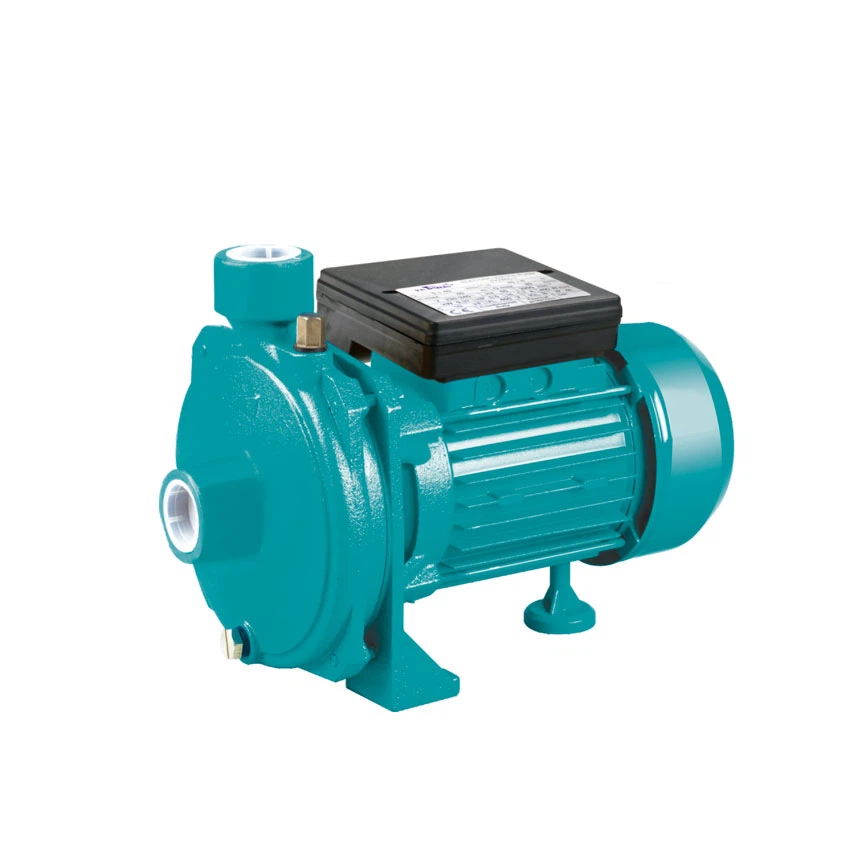
Self-priming centrifugal trash pumps, while they might not have the same high flow rates and pressures as non-self-priming pumps, make up for it in convenience. The ability to self-prime means that they can start up quickly and be operational in a matter of minutes. This can be a huge advantage in emergency situations or when you need to get a pump up and running as soon as possible. Additionally, self-priming pumps are often more forgiving when it comes to changes in the fluid level or the presence of air in the line.
Maintenance
Maintenance is another important factor to consider. Non-self-priming centrifugal trash pumps generally have a simpler design, which can make them easier to maintain. There are fewer components involved in the priming process, so there's less that can go wrong. However, because they rely on manual priming, it's important to make sure that the priming process is done correctly every time to avoid damage to the pump.
Self-priming centrifugal trash pumps, on the other hand, have more complex components related to the self-priming mechanism. These components need to be inspected and maintained regularly to ensure that the pump can continue to prime itself effectively. For example, the check valves or the priming chamber might need to be cleaned or replaced over time. But overall, the convenience of self-priming often outweighs the slightly higher maintenance requirements.
Cost
Cost is always a consideration when choosing a pump. Non-self-priming centrifugal trash pumps are usually less expensive than self-priming pumps. This is because they have a simpler design and fewer components. If you have a budget constraint and your application allows for manual priming, a non-self-priming pump might be the way to go.
Self-priming centrifugal trash pumps, while more expensive upfront, can save you money in the long run. The time and labor saved from not having to manually prime the pump can add up, especially if you're using the pump frequently. Additionally, the versatility of self-priming pumps can make them a better investment if you need a pump that can be used in a variety of applications.
Our Product Offerings
As a centrifugal trash pump supplier, we offer both self-priming and non-self-priming centrifugal trash pumps to meet the diverse needs of our customers. Our Centrifugal Trash Pump-factory produces high-quality pumps that are built to last. Whether you need a Portable Centrifugal Pump for on-the-go applications or a Stainless Centrifugal Pump for corrosive environments, we've got you covered.
Conclusion
In conclusion, the main difference between self-priming and non-self-priming centrifugal trash pumps lies in their priming capabilities, which in turn affects their applications, performance, maintenance, and cost. If you're not sure which type of pump is right for your needs, don't hesitate to reach out to us. We're here to help you make the best decision for your specific situation. Whether you're a contractor, a farmer, or a facility manager, we can provide you with the right pump and the support you need. Contact us today to discuss your requirements and start the procurement process.
References
- Pump Handbook, 4th Edition, Karassik et al.
- Centrifugal Pumps: Design and Application, 2nd Edition, Stepanoff
Send Inquiry