



How to adjust the flow rate of a submersible pump?
Jun 25, 2025
Leave a message
Adjusting the flow rate of a submersible pump is a crucial skill for anyone involved in water management, whether for residential, agricultural, or industrial applications. As a supplier of submersible pumps, I've encountered numerous situations where proper flow rate adjustment can significantly enhance the performance and efficiency of these pumps. In this blog, I'll share some practical methods and considerations for adjusting the flow rate of a submersible pump.
Understanding the Basics of Submersible Pump Flow Rate
Before diving into the adjustment methods, it's essential to understand what flow rate means and how it relates to the operation of a submersible pump. Flow rate refers to the volume of water that a pump can move within a specific period, typically measured in liters per minute (L/min) or gallons per minute (GPM). Several factors can affect the flow rate of a submersible pump, including the pump's power, the diameter of the pipe, the height of the water lift, and the resistance in the pipeline.
Methods for Adjusting the Flow Rate
1. Using a Throttle Valve
One of the simplest and most common methods to adjust the flow rate of a submersible pump is by using a throttle valve. A throttle valve is installed in the discharge pipe of the pump. By partially closing the valve, the resistance in the pipeline increases, which reduces the flow rate of the water. Conversely, opening the valve wider allows more water to pass through, increasing the flow rate.
When using a throttle valve, it's important to note that closing the valve too much can cause the pump to overheat, as the power consumption remains relatively constant while the flow rate decreases. Therefore, it's recommended to make small adjustments to the valve and monitor the pump's performance closely.

2. Changing the Impeller Size
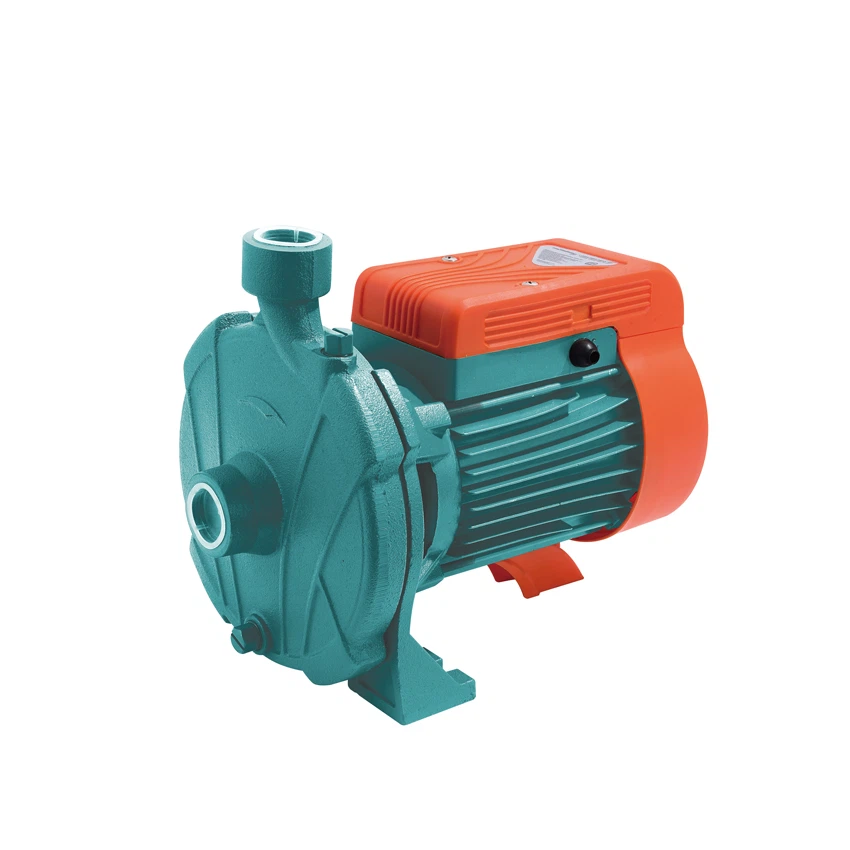
The impeller is a key component of a submersible pump that is responsible for generating the centrifugal force to move water. Changing the size of the impeller can effectively adjust the flow rate of the pump. A larger impeller generally results in a higher flow rate, while a smaller impeller reduces the flow rate.
However, changing the impeller size is a more complex process that requires technical expertise. It's important to ensure that the new impeller is compatible with the pump's motor and other components. Additionally, changing the impeller size may also affect the pump's head (the height to which the pump can lift water), so it's necessary to consider the overall system requirements.
3. Adjusting the Pump Speed
The flow rate of a submersible pump is directly proportional to its speed. Therefore, adjusting the pump speed is another effective way to change the flow rate. There are several ways to adjust the pump speed, including using a variable frequency drive (VFD).
A VFD is an electronic device that can control the speed of the pump motor by adjusting the frequency of the electrical power supply. By reducing the frequency, the motor speed decreases, which in turn reduces the flow rate. Increasing the frequency increases the motor speed and the flow rate.
Using a VFD has several advantages, such as energy savings and precise control of the flow rate. However, it also requires additional investment in the VFD equipment and proper installation and programming.
Considerations When Adjusting the Flow Rate
1. System Requirements
Before adjusting the flow rate of a submersible pump, it's important to understand the specific requirements of the system. For example, in an irrigation system, the flow rate needs to be sufficient to cover the entire area with the required amount of water. In a wastewater treatment plant, the flow rate needs to match the capacity of the treatment equipment.
2. Pump Efficiency
Adjusting the flow rate can affect the efficiency of the submersible pump. Operating the pump at a flow rate that is too far from its optimal range can result in lower efficiency and increased energy consumption. Therefore, it's important to aim for an adjustment that maintains the pump's efficiency as much as possible.
3. Safety
When making any adjustments to the submersible pump, safety should always be the top priority. Ensure that the pump is turned off and disconnected from the power supply before performing any maintenance or adjustment work. Follow the manufacturer's instructions and safety guidelines carefully.
Related Products
As a submersible pump supplier, we also offer a variety of related products that may be useful for your water management needs. For example, our Peripheral Electric Pump is suitable for applications where a high head and moderate flow rate are required. Our Submersible Waste Pump is designed to handle wastewater and solids, making it ideal for sewage systems. And our 110v Centrifugal Pump is a reliable option for surface water pumping applications.
Contact Us for Purchase and Consultation
If you have any questions about adjusting the flow rate of a submersible pump or are interested in purchasing our products, please feel free to contact us. Our team of experts is ready to provide you with professional advice and support. We can help you select the right pump for your specific needs and assist you in adjusting the flow rate to ensure optimal performance.
References
- "Pump Handbook" by Igor J. Karassik et al.
- Manufacturer's manuals of submersible pumps.
Send Inquiry