



How to choose the right volute material for a standard centrifugal pump?
Dec 01, 2025
Leave a message
Hey there! As a supplier of standard centrifugal pumps, I've seen firsthand how crucial it is to choose the right volute material for these pumps. The volute plays a vital role in the overall performance and longevity of a centrifugal pump, so getting this decision right can save you a lot of headaches down the line. In this blog, I'll walk you through the key factors to consider when selecting the perfect volute material for your standard centrifugal pump.
Understanding the Role of the Volute
Before we dive into the material selection process, let's quickly go over what the volute does. The volute is the spiral-shaped casing that surrounds the impeller of a centrifugal pump. Its main job is to convert the kinetic energy generated by the impeller into pressure energy. As the fluid exits the impeller at high speed, the volute gradually increases in cross-sectional area, which slows down the fluid and increases its pressure. This pressure increase is what allows the pump to move the fluid through the system.
Factors to Consider When Choosing Volute Material
1. Fluid Compatibility
The first and most important factor to consider is the compatibility of the volute material with the fluid being pumped. Different fluids can have different chemical properties, such as acidity, alkalinity, and corrosiveness. If the volute material is not compatible with the fluid, it can lead to corrosion, erosion, and premature failure of the pump.
- Water: For most water applications, materials like cast iron, bronze, and stainless steel are commonly used. Cast iron is a cost-effective option for general water pumping, while bronze offers better corrosion resistance and is often used in marine and potable water applications. Stainless steel is the most corrosion-resistant option and is suitable for applications where the water may contain chemicals or impurities.
- Chemicals: When pumping chemicals, you need to choose a material that can withstand the specific chemical properties of the fluid. For example, if you're pumping acids, materials like polypropylene, PVDF (polyvinylidene fluoride), or stainless steel grades with high chromium and nickel content may be suitable. For alkaline solutions, materials like cast iron or certain types of stainless steel may work well.
2. Operating Conditions
The operating conditions of the pump, such as temperature, pressure, and flow rate, also play a significant role in material selection.
- Temperature: High temperatures can affect the mechanical properties of the volute material, such as its strength and hardness. For high-temperature applications, materials like cast steel or high-temperature alloys may be required. On the other hand, if the pump is operating in a cold environment, the material needs to be able to withstand low temperatures without becoming brittle.
- Pressure: The pressure at which the pump operates determines the strength requirements of the volute material. Higher pressures require materials with higher tensile strength and better resistance to deformation. Cast iron may be suitable for low to medium-pressure applications, while cast steel or forged steel is often used for high-pressure pumps.
- Flow Rate: The flow rate of the fluid can cause erosion and cavitation in the volute. Erosion occurs when the fluid carries solid particles that wear away the surface of the volute, while cavitation is the formation and collapse of vapor bubbles in the fluid, which can cause damage to the material. For high-flow applications, materials with good erosion and cavitation resistance, such as stainless steel or hardened alloys, are recommended.
3. Cost
Cost is always a consideration when choosing any component for a pump system. Different materials have different costs, and you need to balance the performance requirements with the budget.
- Cast Iron: Cast iron is one of the most affordable materials for volutes. It is widely used in general water pumping applications where cost is a major factor. However, it has limited corrosion resistance and may not be suitable for more demanding applications.
- Bronze: Bronze is more expensive than cast iron but offers better corrosion resistance. It is commonly used in applications where the fluid is slightly corrosive or where a higher level of durability is required.
- Stainless Steel: Stainless steel is the most expensive option but provides excellent corrosion resistance and durability. It is often used in applications where the fluid is highly corrosive or where the pump needs to operate in harsh environments.
4. Availability and Fabrication
The availability of the material and its ease of fabrication are also important factors. Some materials may be difficult to source or may require specialized manufacturing processes, which can increase the lead time and cost of the pump.
- Common Materials: Materials like cast iron, bronze, and stainless steel are widely available and can be easily fabricated into volutes using standard manufacturing processes. This makes them a popular choice for most pump applications.
- Specialty Materials: Specialty materials, such as high-temperature alloys or exotic plastics, may be more difficult to source and fabricate. They may also require specialized equipment and expertise, which can add to the cost and lead time of the pump.
Common Volute Materials and Their Applications
1. Cast Iron
Cast iron is a popular choice for volutes in standard centrifugal pumps due to its low cost and good mechanical properties. It is commonly used in general water pumping applications, such as irrigation, water supply, and drainage. Cast iron volutes can handle moderate pressures and temperatures, but they have limited corrosion resistance. If the water contains chemicals or impurities, cast iron may corrode over time, which can reduce the efficiency and lifespan of the pump.
2. Bronze
Bronze is an alloy of copper and tin, with other elements added to improve its properties. It offers better corrosion resistance than cast iron and is often used in marine and potable water applications. Bronze volutes are also suitable for applications where the fluid contains small amounts of abrasive particles, as they have good wear resistance. However, bronze is more expensive than cast iron, so it may not be the best choice for cost-sensitive applications.
3. Stainless Steel
Stainless steel is a corrosion-resistant alloy that contains chromium, nickel, and other elements. It is widely used in centrifugal pumps for applications where the fluid is highly corrosive, such as chemical processing, food and beverage, and pharmaceutical industries. Stainless steel volutes can withstand a wide range of temperatures and pressures, and they have excellent mechanical properties. However, stainless steel is the most expensive option, so it is typically used in applications where the benefits of corrosion resistance outweigh the cost.
4. Plastic Materials
Plastic materials, such as polypropylene and PVDF, are increasingly being used in centrifugal pumps for their excellent chemical resistance and lightweight properties. They are commonly used in applications where the fluid is highly corrosive or where weight is a concern, such as in portable pumps or small-scale chemical processing. Plastic volutes are also relatively inexpensive and easy to fabricate, but they have lower mechanical strength compared to metal materials and may not be suitable for high-pressure or high-temperature applications.
Making the Right Choice
Choosing the right volute material for your standard centrifugal pump requires careful consideration of the factors discussed above. Here are some steps to help you make the right choice:
- Identify the fluid properties: Determine the chemical composition, temperature, pressure, and flow rate of the fluid being pumped. This will help you narrow down the list of suitable materials.
- Evaluate the operating conditions: Consider the temperature, pressure, and flow rate requirements of the pump system. This will help you select a material that can withstand the operating conditions without failing.
- Consider the cost: Balance the performance requirements with the budget. Choose a material that offers the best combination of performance and cost for your application.
- Consult with a pump expert: If you're unsure which material is best for your application, consult with a pump expert or a supplier like us. We have the knowledge and experience to help you select the right volute material for your standard centrifugal pump.
Conclusion
Choosing the right volute material is essential for the performance and longevity of your standard centrifugal pump. By considering factors such as fluid compatibility, operating conditions, cost, and availability, you can select a material that meets your specific requirements. Whether you're pumping water, chemicals, or other fluids, there is a volute material out there that is right for your application.
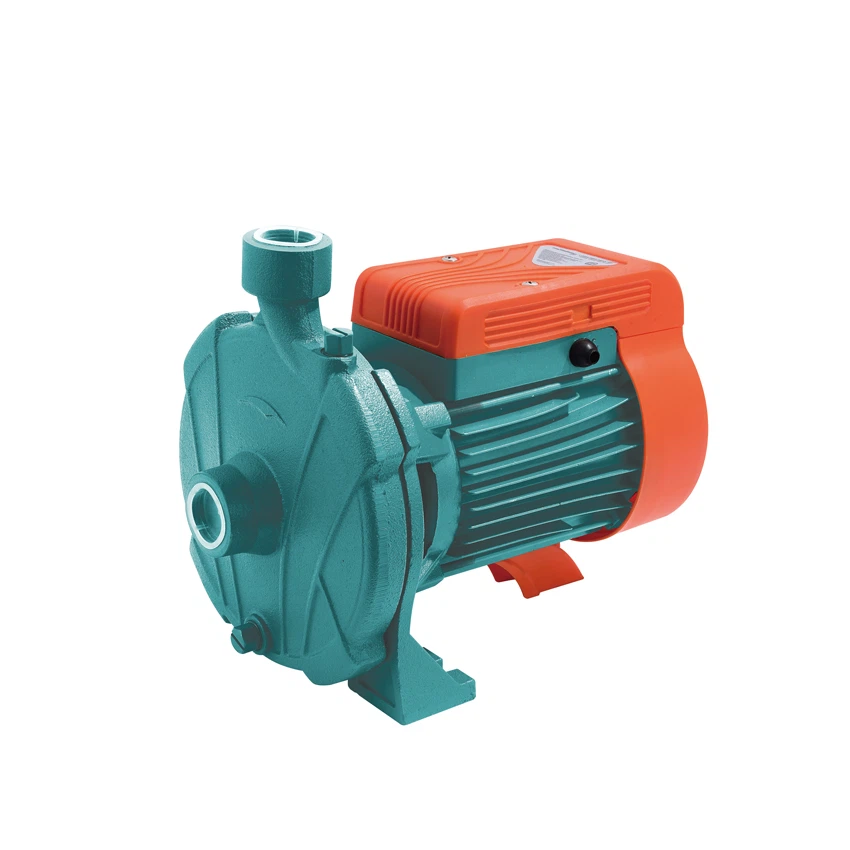

If you're in the market for a standard centrifugal pump and need help choosing the right volute material, don't hesitate to [reach out to us]. We're a leading supplier of centrifugal pumps and can provide you with expert advice and high-quality products. Check out our 110v Centrifugal Pump, 1 2 Hp Centrifugal Pump, and 1.5 Hp Centrifugal Water Pump for more options. Let's work together to find the perfect pump solution for your needs!
References
- "Centrifugal Pumps: Design and Application" by Igor J. Karassik et al.
- "Handbook of Chemical Engineering" by Perry and Green.
- "Materials Science and Engineering: An Introduction" by William D. Callister Jr. and David G. Rethwisch.
Send Inquiry