



What materials are used to make a centrifugal trash pump?
Nov 28, 2025
Leave a message
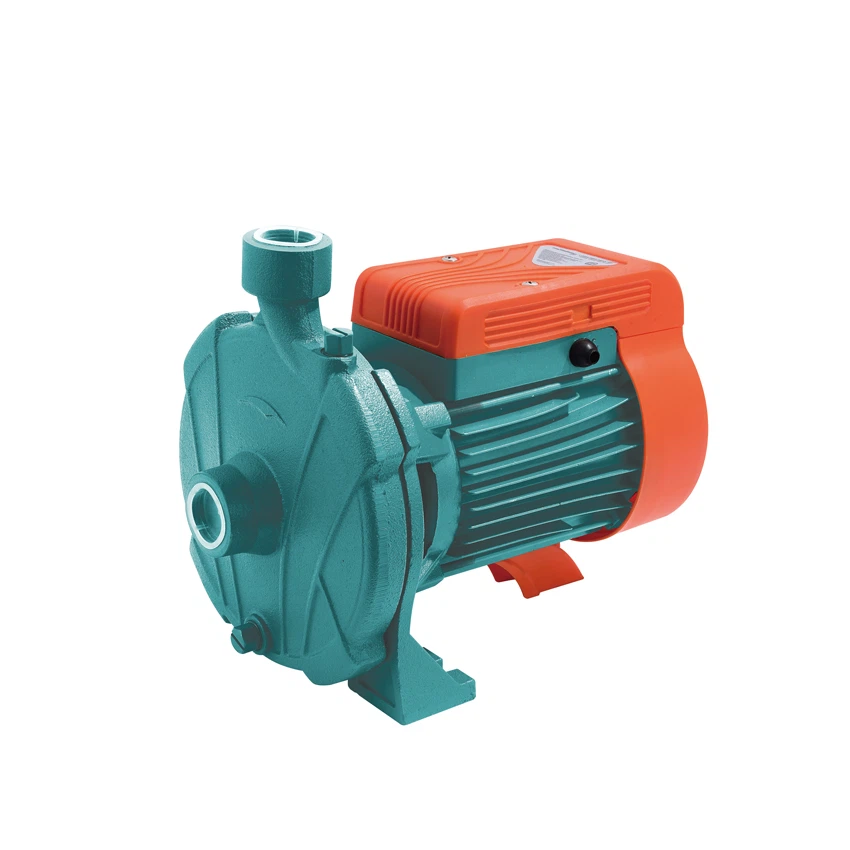
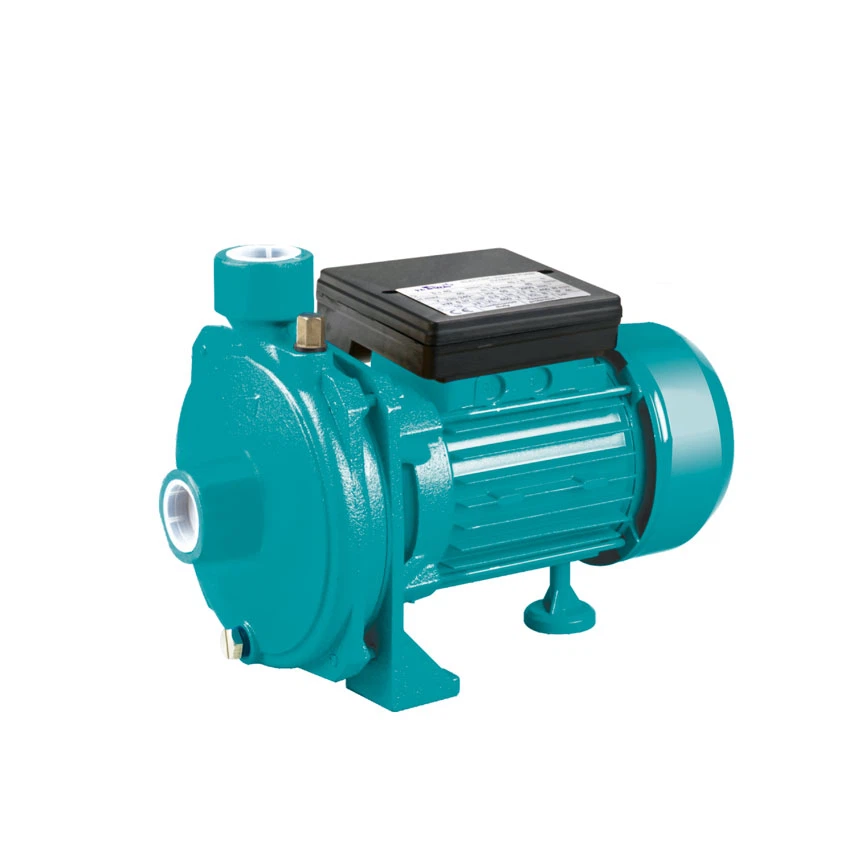
A centrifugal trash pump is a crucial piece of equipment in various industries, including construction, mining, and wastewater management. It is designed to handle large volumes of water containing solid particles, debris, and other trash. As a reliable centrifugal trash pump supplier, I understand the importance of using the right materials to ensure the pump's durability, efficiency, and performance. In this blog post, I will explore the materials commonly used to make a centrifugal trash pump and their significance.
Casing Materials
The casing is the outer shell of the centrifugal trash pump that houses the impeller and other internal components. It plays a vital role in protecting the pump from external damage and ensuring the efficient flow of fluid. The following materials are commonly used for pump casings:
Cast Iron
Cast iron is a popular choice for pump casings due to its excellent strength, durability, and corrosion resistance. It can withstand high pressures and abrasive materials, making it suitable for heavy-duty applications. Cast iron casings are also relatively inexpensive, making them a cost-effective option for many industries. However, cast iron is heavy, which can make the pump more difficult to transport and install.
Stainless Steel
Stainless steel is another commonly used material for pump casings. It offers superior corrosion resistance compared to cast iron, making it ideal for applications where the pump will be exposed to harsh chemicals or saltwater. Stainless steel is also lightweight, which can make the pump easier to handle and install. However, stainless steel is more expensive than cast iron, which can increase the overall cost of the pump.
Ductile Iron
Ductile iron is a type of cast iron that has been treated to improve its ductility and toughness. It offers similar strength and durability to cast iron but is more resistant to cracking and impact. Ductile iron casings are commonly used in applications where the pump will be subjected to high pressures and abrasive materials. They are also relatively lightweight, which can make the pump easier to transport and install.
Impeller Materials
The impeller is the rotating component of the centrifugal trash pump that creates the centrifugal force necessary to move the fluid. It is one of the most critical components of the pump, and the choice of impeller material can significantly impact the pump's performance and efficiency. The following materials are commonly used for impellers:
Cast Iron
Cast iron is a popular choice for impellers due to its strength, durability, and affordability. It can withstand high pressures and abrasive materials, making it suitable for heavy-duty applications. However, cast iron impellers are prone to corrosion, which can reduce their efficiency over time.
Stainless Steel
Stainless steel is another commonly used material for impellers. It offers superior corrosion resistance compared to cast iron, making it ideal for applications where the pump will be exposed to harsh chemicals or saltwater. Stainless steel impellers are also more efficient than cast iron impellers, which can result in lower energy consumption and operating costs. However, stainless steel is more expensive than cast iron, which can increase the overall cost of the pump.
Rubber
Rubber impellers are commonly used in applications where the pump will be handling soft solids or fibrous materials. They offer excellent abrasion resistance and can handle a wide range of particle sizes. Rubber impellers are also relatively inexpensive and easy to replace. However, rubber impellers are not suitable for applications where the pump will be handling hard or abrasive materials, as they can be easily damaged.
Shaft Materials
The shaft is the rotating component of the centrifugal trash pump that connects the impeller to the motor. It is responsible for transmitting the power from the motor to the impeller and ensuring the smooth operation of the pump. The following materials are commonly used for shafts:
Carbon Steel
Carbon steel is a popular choice for shafts due to its strength, durability, and affordability. It can withstand high pressures and torque, making it suitable for heavy-duty applications. However, carbon steel is prone to corrosion, which can reduce its strength and durability over time.
Stainless Steel
Stainless steel is another commonly used material for shafts. It offers superior corrosion resistance compared to carbon steel, making it ideal for applications where the pump will be exposed to harsh chemicals or saltwater. Stainless steel shafts are also more resistant to wear and tear, which can result in longer service life and lower maintenance costs. However, stainless steel is more expensive than carbon steel, which can increase the overall cost of the pump.
Alloy Steel
Alloy steel is a type of steel that has been alloyed with other elements to improve its strength, durability, and corrosion resistance. It offers superior performance compared to carbon steel and stainless steel, making it suitable for high-performance applications. Alloy steel shafts are commonly used in pumps that will be subjected to high pressures, high temperatures, and abrasive materials. However, alloy steel is more expensive than carbon steel and stainless steel, which can increase the overall cost of the pump.
Seal Materials
The seal is the component of the centrifugal trash pump that prevents the fluid from leaking out of the pump. It is one of the most critical components of the pump, and the choice of seal material can significantly impact the pump's performance and reliability. The following materials are commonly used for seals:
Mechanical Seals
Mechanical seals are the most commonly used type of seal in centrifugal trash pumps. They consist of two flat surfaces that are pressed together to create a seal. Mechanical seals offer excellent sealing performance and can withstand high pressures and temperatures. They are also relatively easy to install and maintain. However, mechanical seals are more expensive than other types of seals, which can increase the overall cost of the pump.
Packing Seals
Packing seals are another commonly used type of seal in centrifugal trash pumps. They consist of a flexible material, such as graphite or asbestos, that is packed around the shaft to create a seal. Packing seals are relatively inexpensive and easy to install and maintain. However, packing seals are not as effective as mechanical seals at preventing leaks, and they require more frequent maintenance.
O-Rings
O-rings are a type of seal that consists of a circular ring made of rubber or other elastomeric material. They are commonly used in applications where the pump will be exposed to low pressures and temperatures. O-rings are relatively inexpensive and easy to install and maintain. However, O-rings are not as effective as mechanical seals or packing seals at preventing leaks, and they can be easily damaged by abrasive materials.
Conclusion
In conclusion, the choice of materials used to make a centrifugal trash pump can significantly impact the pump's performance, durability, and efficiency. As a centrifugal trash pump supplier, I understand the importance of using high-quality materials to ensure the reliability and longevity of our pumps. By carefully selecting the casing, impeller, shaft, and seal materials, we can provide our customers with pumps that are designed to meet their specific needs and requirements.
If you are in the market for a centrifugal trash pump, I encourage you to explore our range of products, including the 110v Centrifugal Pump, Stainless Centrifugal Pump, and Standard Centrifugal Pump. Our pumps are made from high-quality materials and are designed to provide reliable and efficient performance in a wide range of applications.
If you have any questions or would like to discuss your specific requirements, please do not hesitate to contact us. We are always happy to help and look forward to working with you to find the perfect centrifugal trash pump for your needs.
References
- "Centrifugal Pumps: Selection, Operation, and Maintenance" by Heinz P. Bloch and Fred K. Geitner
- "Pump Handbook" by Igor J. Karassik, Joseph P. Messina, Paul Cooper, and Charles C. Heald
- "Mechanical Seals: Design, Selection, and Application" by John W. Hines and William D. Leong
Send Inquiry