



How to operate a portable centrifugal pump safely?
Dec 03, 2025
Leave a message
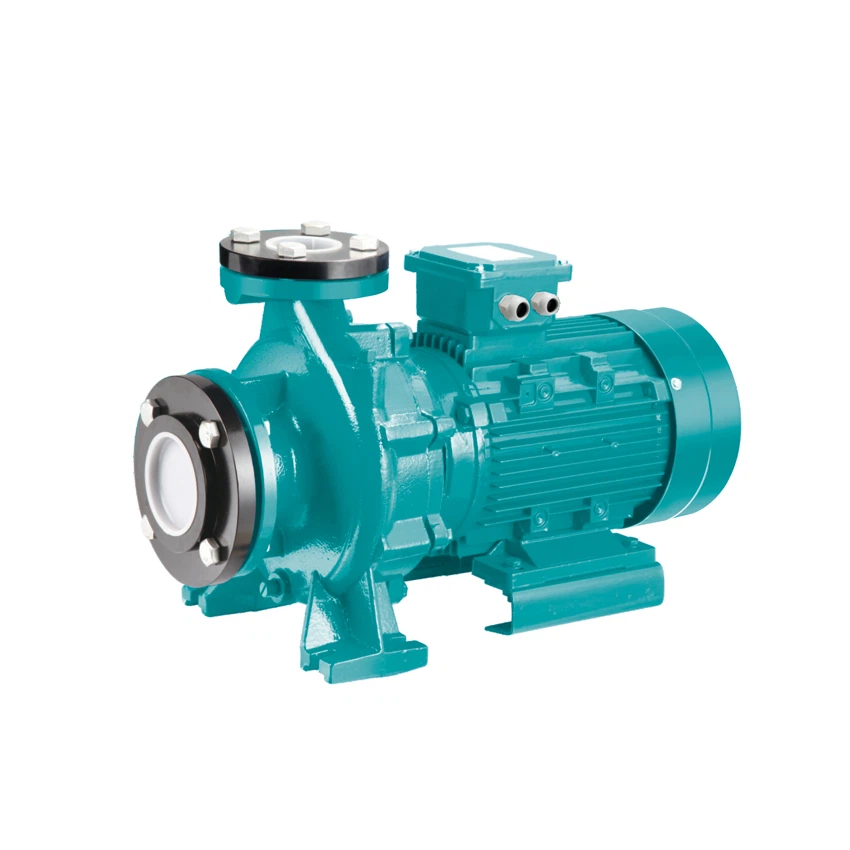
Hey there! As a supplier of portable centrifugal pumps, I've seen firsthand how these nifty devices can make a big difference in various applications. But just like any piece of equipment, operating them safely is super important. So, let's dive into how you can operate a portable centrifugal pump safely.

Before You Start
First things first, you gotta do a pre - operation check. This is like giving your pump a little once - over before you fire it up.
-
Inspect the Pump Physically: Look for any visible damage to the pump casing, impeller, or motor. Check for cracks, dents, or loose parts. If you spot anything fishy, don't use the pump until it's fixed. You don't want a broken part flying off while the pump is running!
-
Check the Power Source: Whether it's an electric or a gasoline - powered pump, make sure the power source is in good condition. For electric pumps, check the cords for fraying or exposed wires. A damaged cord can lead to electrical shocks, and that's definitely not something you want. If you're using a gasoline - powered pump, check the fuel level and the oil level. Running the pump without enough oil can damage the engine real fast.
-
Verify the Suction and Discharge Lines: The suction line is where the liquid comes into the pump, and the discharge line is where it goes out. Make sure both lines are properly connected and free of any blockages. A blocked line can cause the pump to overheat or lose its prime. You can check for blockages by visually inspecting the lines and maybe blowing some air through them if possible.
Setting Up the Pump
Once you've done your pre - operation check, it's time to set up the pump correctly.
-
Choose a Stable Location: Place the pump on a flat, stable surface. A wobbly pump can vibrate too much, which can not only damage the pump but also increase the risk of it tipping over. If you're using the pump outdoors, make sure the ground is firm and level.
-
Prime the Pump: Priming is a crucial step, especially for pumps that are used to move water. Priming means filling the pump and the suction line with the liquid you're going to pump. This creates a vacuum that allows the pump to draw the liquid in. To prime the pump, you'll usually need to remove a priming plug or open a priming valve and pour the liquid into the pump until it's full. Then, replace the plug or close the valve.
-
Connect the Hoses Properly: When connecting the suction and discharge hoses, make sure they're tightly secured. Loose hoses can leak, which is not only a waste of the liquid you're pumping but can also create a slippery and dangerous environment. You can use hose clamps to ensure a tight fit.
Operating the Pump
Now that the pump is set up, it's time to start it up and operate it safely.
-
Follow the Startup Procedure: Every pump has its own startup procedure. For an electric pump, you'll usually just need to flip a switch. But for a gasoline - powered pump, you might need to choke the engine, pull the starter cord, and then adjust the choke as the engine warms up. Make sure you read the manufacturer's instructions carefully and follow them step by step.
-
Monitor the Pump During Operation: Keep an eye on the pump while it's running. Listen for any unusual noises, like grinding or rattling. Unusual noises can be a sign of a problem, such as a loose part or a damaged impeller. Also, check the pressure gauges (if your pump has them) to make sure the pump is operating within the recommended pressure range.
-
Avoid Overloading the Pump: Don't try to pump more liquid than the pump is designed to handle. Overloading the pump can cause it to overheat, which can damage the motor or other components. You can find the pump's maximum flow rate and pressure in the manufacturer's specifications.
Stopping the Pump
When you're done using the pump, it's important to stop it properly.
- Shut Off the Power Source: For an electric pump, turn off the switch. For a gasoline - powered pump, turn off the engine. Make sure the power is completely off before you start doing any maintenance or moving the pump.
- Drain the Pump and Hoses: If you're not going to use the pump for a while, it's a good idea to drain the pump and the hoses. This helps prevent freezing in cold weather and also prevents the growth of mold and bacteria. You can usually open a drain valve to let the liquid out.
Maintenance and Storage
Regular maintenance is key to keeping your portable centrifugal pump in good working condition and ensuring safe operation.
-
Clean the Pump Regularly: After each use, clean the pump to remove any dirt, debris, or chemical residues. You can use a soft brush and a mild detergent to clean the pump casing. Make sure to dry the pump thoroughly before storing it.
-
Lubricate Moving Parts: Some pumps have moving parts that need to be lubricated regularly. Check the manufacturer's instructions to see which parts need lubrication and what type of lubricant to use.
-
Store the Pump Properly: When you're not using the pump, store it in a dry, cool place. Protect it from the elements and make sure it's not exposed to extreme temperatures. You can also cover the pump with a protective cover to keep it clean.
Safety Equipment
Using the right safety equipment is also important when operating a portable centrifugal pump.
- Wear Protective Gear: Always wear safety goggles to protect your eyes from any splashes or debris. If you're working with chemicals, wear gloves and a face mask to protect your hands and lungs.
- Use Safety Guards: Some pumps come with safety guards to protect you from moving parts. Make sure these guards are in place and in good condition.
Where to Find the Right Pump
If you're in the market for a portable centrifugal pump, we've got a great selection. Check out our Portable Centrifugal Pump page to see what we have to offer. We also have Standard Centrifugal Pump options and 1 2 Hp Centrifugal Pump models that might suit your needs.
If you have any questions or want to discuss your specific requirements, don't hesitate to reach out. We're here to help you find the perfect pump for your job and ensure you know how to operate it safely.
References
- Manufacturer's manuals for portable centrifugal pumps
- Industry safety guidelines for pump operation
Send Inquiry