



What is the casing of a centrifugal pump?
Aug 15, 2025
Leave a message
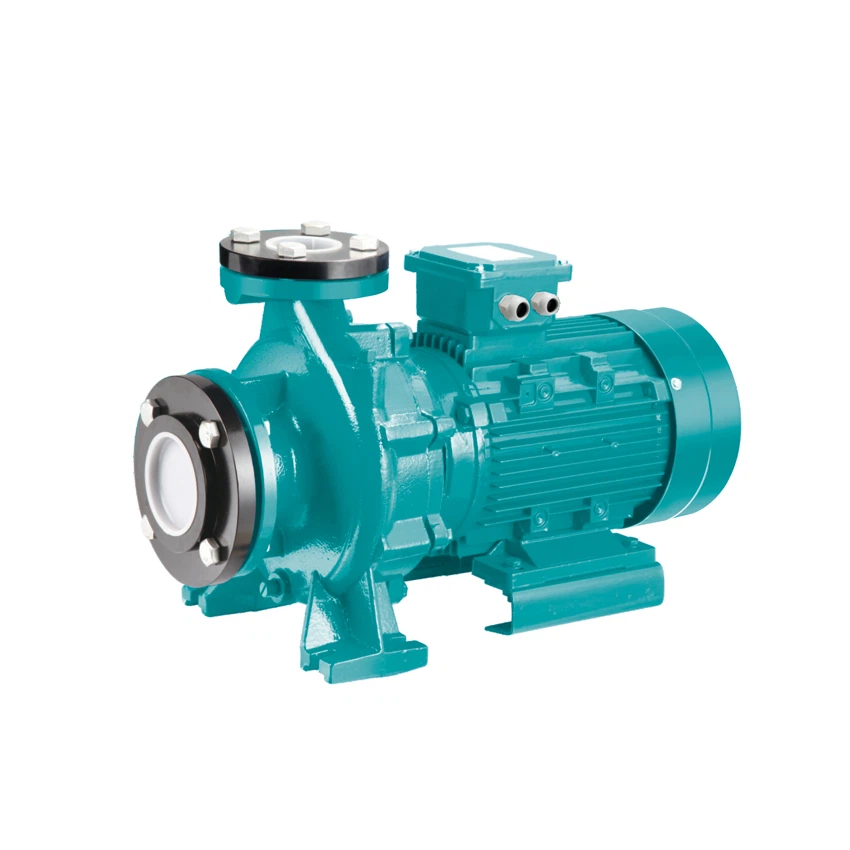
The casing of a centrifugal pump is a crucial component that plays multiple vital roles in the overall operation and performance of the pump. As a centrifugal pump supplier, understanding the intricacies of the pump casing is essential for us to provide high - quality products and professional advice to our customers.
1. Definition and Basic Function
The casing of a centrifugal pump can be defined as the outer shell that encloses the impeller and other internal components of the pump. Its primary function is to collect the fluid that has been accelerated by the impeller and convert the kinetic energy of the fluid into pressure energy. When the impeller rotates, it imparts a high - velocity motion to the fluid. The casing then slows down the fluid flow, gradually increasing the pressure of the fluid as it moves through the casing towards the discharge port.
2. Types of Centrifugal Pump Casings
Volute Casings
Volute casings are one of the most common types of casings used in centrifugal pumps. The cross - sectional area of a volute casing increases gradually from the impeller outlet to the discharge port. This design allows the fluid to flow smoothly and evenly, reducing turbulence and energy losses. As the fluid moves through the volute, its velocity decreases, and the pressure increases. Volute casings are relatively simple in design and are suitable for a wide range of applications, such as water supply, irrigation, and general industrial pumping. For example, our Centrifugal Trash Pump often utilizes a volute casing to handle dirty water and solid - laden fluids efficiently.
Diffuser Casings
Diffuser casings are more complex than volute casings. They consist of a series of stationary vanes arranged around the impeller outlet. These vanes guide the fluid flow and gradually increase the pressure by reducing the fluid velocity. Diffuser casings are more efficient than volute casings, especially at high flow rates and high pressures. They are commonly used in multistage centrifugal pumps, where multiple impellers are connected in series to achieve higher pressures. Our 1.5 Hp Centrifugal Water Pump can be equipped with a diffuser casing for applications that require high - pressure water delivery, such as in some industrial cleaning processes.
Circular Casings
Circular casings have a constant cross - sectional area around the impeller. They are mainly used in small - sized centrifugal pumps or in applications where space is limited. Although circular casings are less efficient than volute and diffuser casings, they are simple to manufacture and can be cost - effective for certain low - pressure and low - flow applications. Our 1 2 Hp Centrifugal Pump may adopt a circular casing design for small - scale domestic water supply needs.
3. Material Selection for Pump Casings
The choice of material for the pump casing depends on several factors, including the type of fluid being pumped, the operating temperature, and the pressure conditions.
Cast Iron
Cast iron is a popular choice for pump casings due to its low cost, good casting properties, and relatively high strength. It is suitable for pumping water, mild chemicals, and other non - corrosive fluids at normal temperatures. However, cast iron is prone to corrosion when exposed to aggressive chemicals or high - oxygen environments.
Stainless Steel
Stainless steel is highly resistant to corrosion, making it an ideal material for pumping corrosive fluids such as acids, alkalis, and seawater. It also has good mechanical properties and can withstand high pressures and temperatures. Although stainless steel is more expensive than cast iron, it offers a longer service life and better performance in harsh operating conditions.
Bronze
Bronze is another corrosion - resistant material commonly used in pump casings. It has excellent wear resistance and is suitable for pumping fluids containing small solid particles. Bronze is often used in marine applications and in pumps for handling potable water, as it does not contaminate the water.
4. Design Considerations for Pump Casings
When designing a pump casing, several factors need to be considered to ensure optimal performance.
Flow Path Design
The flow path inside the casing should be designed to minimize turbulence and pressure losses. Smooth curves and gradual changes in cross - sectional area are preferred to ensure a uniform flow of fluid. The inlet and outlet ports should be properly sized and positioned to match the flow requirements of the system.
Structural Integrity
The casing must be able to withstand the internal pressure generated by the pump. The wall thickness of the casing should be calculated based on the maximum operating pressure and the material properties. Reinforcements may be added in critical areas to prevent deformation or failure.

Noise and Vibration Reduction
A well - designed casing can help reduce noise and vibration during pump operation. This is achieved by minimizing fluid turbulence and ensuring proper alignment of the impeller and other components. Damping materials can also be used to absorb vibrations and reduce noise levels.
5. Maintenance and Inspection of Pump Casings
Regular maintenance and inspection of the pump casing are essential to ensure its long - term performance and reliability.
Visual Inspection
Visual inspection should be carried out periodically to check for signs of corrosion, cracks, or other damage. Any visible damage should be repaired or replaced immediately to prevent further deterioration.
Pressure Testing
Pressure testing can be performed to check the integrity of the casing. The pump should be pressurized to a specified level, and any leaks or pressure drops should be investigated.
Cleaning
The casing should be cleaned regularly to remove any dirt, debris, or scale that may accumulate inside. This helps to maintain the efficiency of the pump and prevent blockages.
6. Importance of Quality Pump Casings for Our Customers
As a centrifugal pump supplier, we understand the importance of providing high - quality pump casings to our customers. A well - designed and properly manufactured casing can significantly improve the performance, efficiency, and reliability of the pump. It can also reduce maintenance costs and downtime, ensuring that our customers' operations run smoothly.
Whether you are looking for a pump for a small - scale domestic application or a large - scale industrial project, we have a wide range of centrifugal pumps with different casing designs and materials to meet your specific needs. Our team of experts is always ready to provide you with professional advice and support to help you select the most suitable pump for your application.
If you are interested in our centrifugal pumps or have any questions about pump casings, please feel free to contact us for procurement and further discussion. We are committed to providing you with the best products and services in the industry.
References
- Karassik, I. J., Messina, J. P., Cooper, P. T., & Heald, C. C. (2008). Pump Handbook. McGraw - Hill Professional.
- Stepanoff, A. J. (1957). Centrifugal and Axial Flow Pumps: Theory, Design, and Application. John Wiley & Sons.
Send Inquiry