



What is the flow rate of a centrifugal pump?
Aug 15, 2025
Leave a message
Hey there! As a supplier of centrifugal pumps, I often get asked about the flow rate of these pumps. So, I thought I'd write this blog to break it down for you in a simple and easy - to - understand way.
First off, let's talk about what a centrifugal pump is. In a nutshell, it's a type of pump that uses an impeller to transfer fluids. The impeller rotates, creating a centrifugal force that moves the fluid from the center of the impeller to the outer edges and then out of the pump. It's a pretty common type of pump used in a whole bunch of industries, like water supply, chemical processing, and oil and gas.
Now, onto the main topic: the flow rate of a centrifugal pump. The flow rate, also known as the capacity, is the volume of fluid that the pump can move in a given amount of time. It's usually measured in gallons per minute (GPM) in the US or liters per second (L/s) in the metric system.
A few factors can affect the flow rate of a centrifugal pump. One of the big ones is the size and design of the impeller. A larger impeller generally means a higher flow rate because it can move more fluid with each rotation. Also, the shape of the impeller blades matters. Different blade shapes can influence how the fluid is pushed through the pump, which in turn affects the flow rate.
The speed of the impeller is another crucial factor. The faster the impeller spins, the more fluid it can move. That's why you'll often see pumps with adjustable speed settings. By increasing the speed, you can boost the flow rate. But be careful! Cranking up the speed too much can also cause problems, like increased wear and tear on the pump and higher energy consumption.
The viscosity of the fluid being pumped also plays a role. If the fluid is thick, like honey or oil, it's going to be harder for the pump to move it. This means the flow rate will be lower compared to pumping a thinner fluid like water.
Let's take a look at some real - world examples. Say you're using a 110v Centrifugal Pump. These pumps are often used in smaller applications, like home water systems or small - scale irrigation. They usually have a relatively lower flow rate compared to larger industrial pumps. The flow rate might range from 5 to 20 GPM, depending on the specific model and the conditions under which it's operating.
On the other hand, a Standard Centrifugal Pump is designed for more general - purpose industrial use. These pumps can handle a wider range of flow rates. You might find them with flow rates anywhere from 20 to 200 GPM or even higher, depending on the size and power of the pump.
If you're in need of a pump for a water - related application, the 1.5 Hp Centrifugal Water Pump could be a great choice. With its 1.5 horsepower motor, it can provide a decent flow rate for tasks like filling water tanks or supplying water to a small building. The flow rate of this pump can vary, but it's typically in the range of 10 to 50 GPM.
When you're choosing a centrifugal pump based on the flow rate, it's important to know your specific requirements. Think about how much fluid you need to move, how often you need to move it, and what kind of pressure you need to overcome. For example, if you're pumping water from a well to a second - story building, you'll need a pump with enough flow rate and pressure to get the water up there.
Another thing to consider is the system resistance. This includes things like the length and diameter of the pipes, the number of bends and valves in the system, and the elevation change. The higher the system resistance, the more power the pump needs to overcome it, and this can affect the flow rate. You might need to choose a pump with a higher flow rate and pressure rating to ensure that your system works properly.
It's also worth mentioning that the flow rate of a centrifugal pump isn't always constant. As the pump operates, factors like wear on the impeller, changes in the fluid properties, or blockages in the system can cause the flow rate to decrease over time. That's why regular maintenance is so important. By keeping your pump in good condition, you can ensure that it continues to provide the flow rate you need.

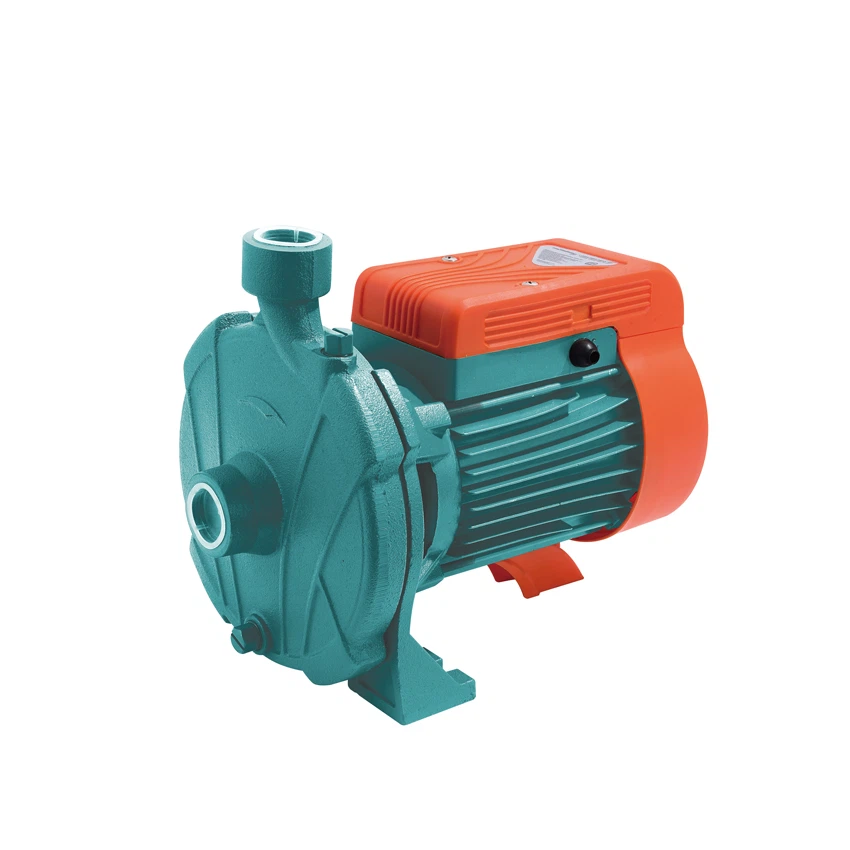
So, there you have it! That's a basic overview of what the flow rate of a centrifugal pump is and what affects it. If you're in the market for a centrifugal pump, whether it's a 110v Centrifugal Pump, a Standard Centrifugal Pump, or a 1.5 Hp Centrifugal Water Pump, we're here to help. We can work with you to figure out the right pump for your needs and ensure that you get the best flow rate for your application.
If you have any questions or are interested in purchasing a centrifugal pump, don't hesitate to reach out. We're happy to have a chat about your requirements and guide you through the selection process. Let's work together to find the perfect pump for your project!
References
- "Centrifugal Pumps: Design and Application" by Igor J. Karassik
- "Pump Handbook" by Igor J. Karassik et al.
Send Inquiry