



What is the temperature range a portable centrifugal pump can handle?
Sep 17, 2025
Leave a message
As a supplier of portable centrifugal pumps, I often get asked about the temperature range these pumps can handle. Understanding this crucial aspect is essential for ensuring the optimal performance and longevity of the pumps in various applications. In this blog, I'll delve into the factors affecting the temperature range of portable centrifugal pumps, the typical temperature limits, and how to choose the right pump for specific temperature conditions.
Factors Affecting the Temperature Range
Several factors influence the temperature range a portable centrifugal pump can tolerate. These factors are related to both the pump's design and the operating environment.
Material of Construction
The materials used in the construction of the pump play a significant role in determining its temperature resistance. For instance, pumps made of cast iron are generally suitable for a wide range of temperatures, typically from -20°C to 120°C. Cast iron has good mechanical strength and can withstand moderate temperature variations. On the other hand, pumps with components made of stainless steel can handle higher temperatures, often up to 200°C or more. Stainless steel is corrosion-resistant and retains its strength at elevated temperatures, making it ideal for applications where the pumped fluid is hot or corrosive.
Sealing Mechanisms
The seals in a centrifugal pump are critical for preventing leakage and maintaining the pump's efficiency. Different types of seals have different temperature limits. Mechanical seals, which are commonly used in centrifugal pumps, are designed to operate within a specific temperature range. For standard mechanical seals, the operating temperature can range from -40°C to 180°C. However, special high-temperature mechanical seals can be used for applications where the temperature exceeds this range. These seals are made of materials that can withstand extreme heat without losing their sealing properties.
Lubrication
Proper lubrication is essential for the smooth operation of a centrifugal pump. The lubricant used in the pump bearings and other moving parts must be able to maintain its viscosity and lubricating properties within the operating temperature range. Some lubricants are formulated for low-temperature applications, while others are designed for high-temperature use. Using the wrong lubricant can lead to increased friction, wear, and ultimately, pump failure.
Vapor Pressure of the Pumped Fluid
The vapor pressure of the fluid being pumped is an important consideration when determining the temperature range of a centrifugal pump. If the temperature of the fluid is too high, it can reach its vapor pressure, causing the fluid to vaporize inside the pump. This can lead to cavitation, which is a phenomenon where vapor bubbles form and collapse in the pump, causing damage to the impeller and other components. To avoid cavitation, the pump must be designed to operate at a temperature below the vapor pressure of the pumped fluid.
Typical Temperature Ranges
The temperature range a portable centrifugal pump can handle depends on its design and intended application. Here are some general guidelines for different types of portable centrifugal pumps:
Domestic and Light Commercial Pumps
For domestic and light commercial applications, such as water supply, irrigation, and small-scale industrial processes, portable centrifugal pumps typically have a temperature range of -20°C to 80°C. These pumps are usually made of cast iron or plastic and are designed for relatively low-temperature applications. They are suitable for pumping water and other non-corrosive fluids at normal ambient temperatures.
Industrial Pumps
Industrial centrifugal pumps are designed to handle more demanding applications and can typically operate within a wider temperature range. Depending on the materials used and the design of the pump, industrial pumps can handle temperatures from -40°C to 200°C or more. These pumps are commonly used in industries such as chemical processing, oil and gas, and power generation, where the pumped fluid may be hot, corrosive, or viscous.
High-Temperature Pumps
In some applications, such as in the food and beverage industry, pharmaceutical manufacturing, and high-temperature industrial processes, special high-temperature centrifugal pumps are required. These pumps are designed to handle temperatures up to 300°C or higher. They are made of high-quality materials, such as stainless steel or ceramic, and are equipped with special seals and lubrication systems to withstand the extreme heat.
Choosing the Right Pump for Specific Temperature Conditions
When selecting a portable centrifugal pump for a specific application, it's important to consider the temperature range of the pumped fluid. Here are some tips to help you choose the right pump:

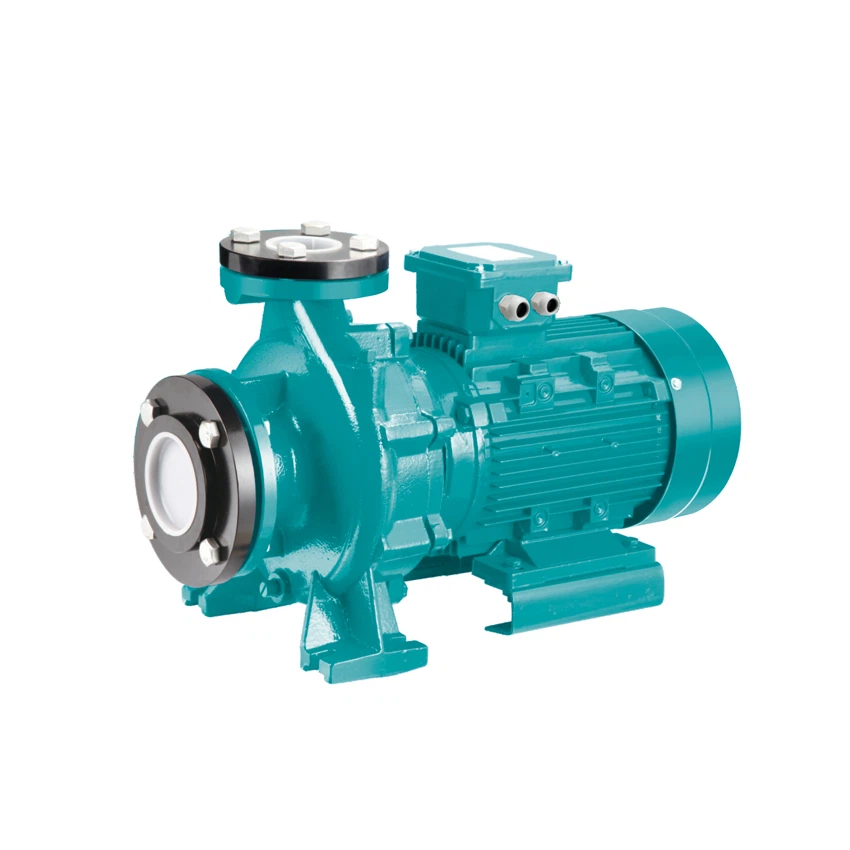
Determine the Operating Temperature
First, you need to determine the maximum and minimum temperatures of the fluid being pumped. This information can usually be obtained from the process specifications or by measuring the temperature of the fluid at the source. Make sure to account for any temperature variations that may occur during operation, such as fluctuations due to seasonal changes or process conditions.
Consider the Pump Materials
Based on the operating temperature, choose a pump made of materials that can withstand the heat. For high-temperature applications, look for pumps made of stainless steel or other heat-resistant materials. If the pumped fluid is corrosive, consider using a pump with a corrosion-resistant coating or lining.
Select the Appropriate Seals and Lubrication
Make sure the pump is equipped with seals and lubrication systems that are suitable for the operating temperature range. Consult the pump manufacturer or a qualified engineer to determine the best type of seals and lubricants for your application.
Check the Pump's Performance Ratings
The pump's performance ratings, such as flow rate, head, and efficiency, may be affected by the operating temperature. Make sure to choose a pump that can meet your requirements at the expected temperature conditions. The pump manufacturer should provide performance curves or data sheets that show the pump's performance at different temperatures.
Our Product Offerings
At our company, we offer a wide range of portable centrifugal pumps suitable for various temperature conditions. Our 1.5 Hp Centrifugal Water Pump is a popular choice for domestic and light commercial applications. It is made of high-quality cast iron and can handle temperatures from -20°C to 80°C. This pump is designed for efficient water transfer and is easy to install and operate.
For industrial applications, we have the Centrifugal Trash Pump-factory. This pump is built to handle tough conditions and can operate within a temperature range of -40°C to 200°C. It is made of stainless steel and is equipped with a heavy-duty impeller and seals to ensure reliable performance.
If you need a pump for a specific temperature application, our 1 2 Hp Centrifugal Pump is a versatile option. It can be customized with different materials and seals to meet your temperature requirements. Whether you need to pump hot water, chemicals, or other fluids, this pump can be tailored to your needs.
Contact Us for Purchase and Consultation
If you have any questions about the temperature range of our portable centrifugal pumps or need help selecting the right pump for your application, please don't hesitate to contact us. Our team of experts is available to provide you with detailed information and guidance. We can also offer customized solutions based on your specific requirements. Whether you're a small business owner or a large industrial company, we have the right pump for you. Reach out to us today to start the conversation about your pumping needs.
References
- "Centrifugal Pumps: Design and Application" by Igor J. Karassik, Joseph P. Messina, Paul Cooper, and Charles C. Heald.
- "Pump Handbook" by Igor J. Karassik, Joseph P. Messina, Paul Cooper, and Charles C. Heald.
- Manufacturer's product manuals and technical data sheets.
Send Inquiry